
The question facing technology leaders in East Africa is no longer whether to adopt artificial intelligence, but whether the foundations beneath it are ready, whether the people it is meant to serve will actually benefit, and whether the organisation has the courage to put the technology in its proper place.
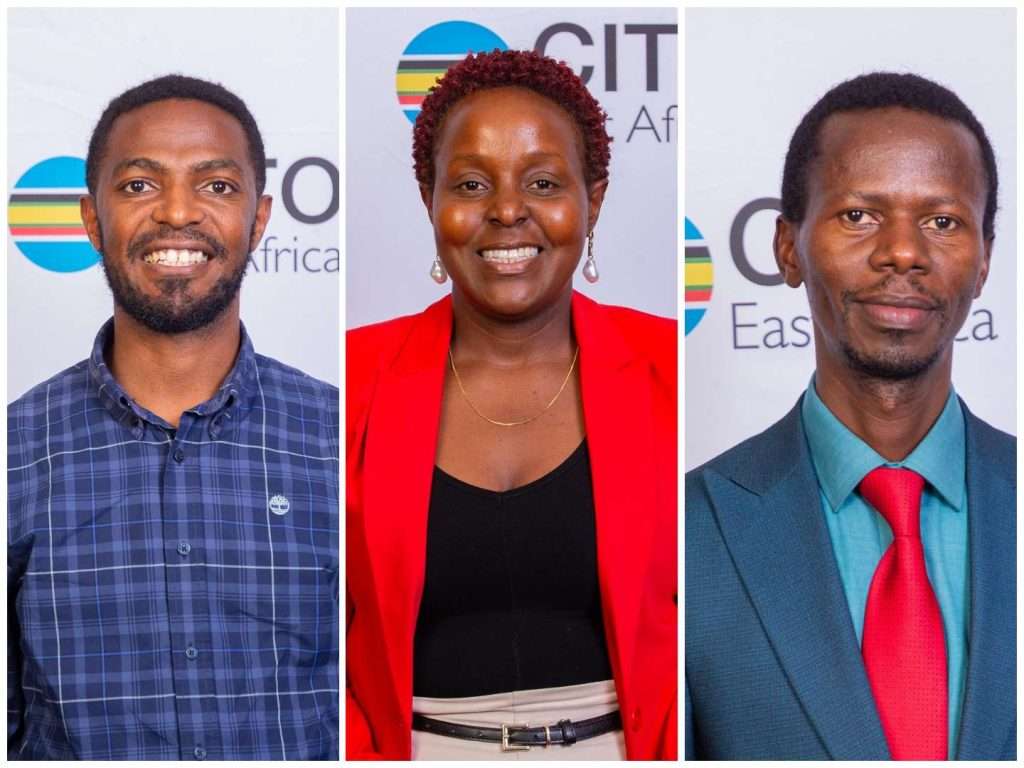
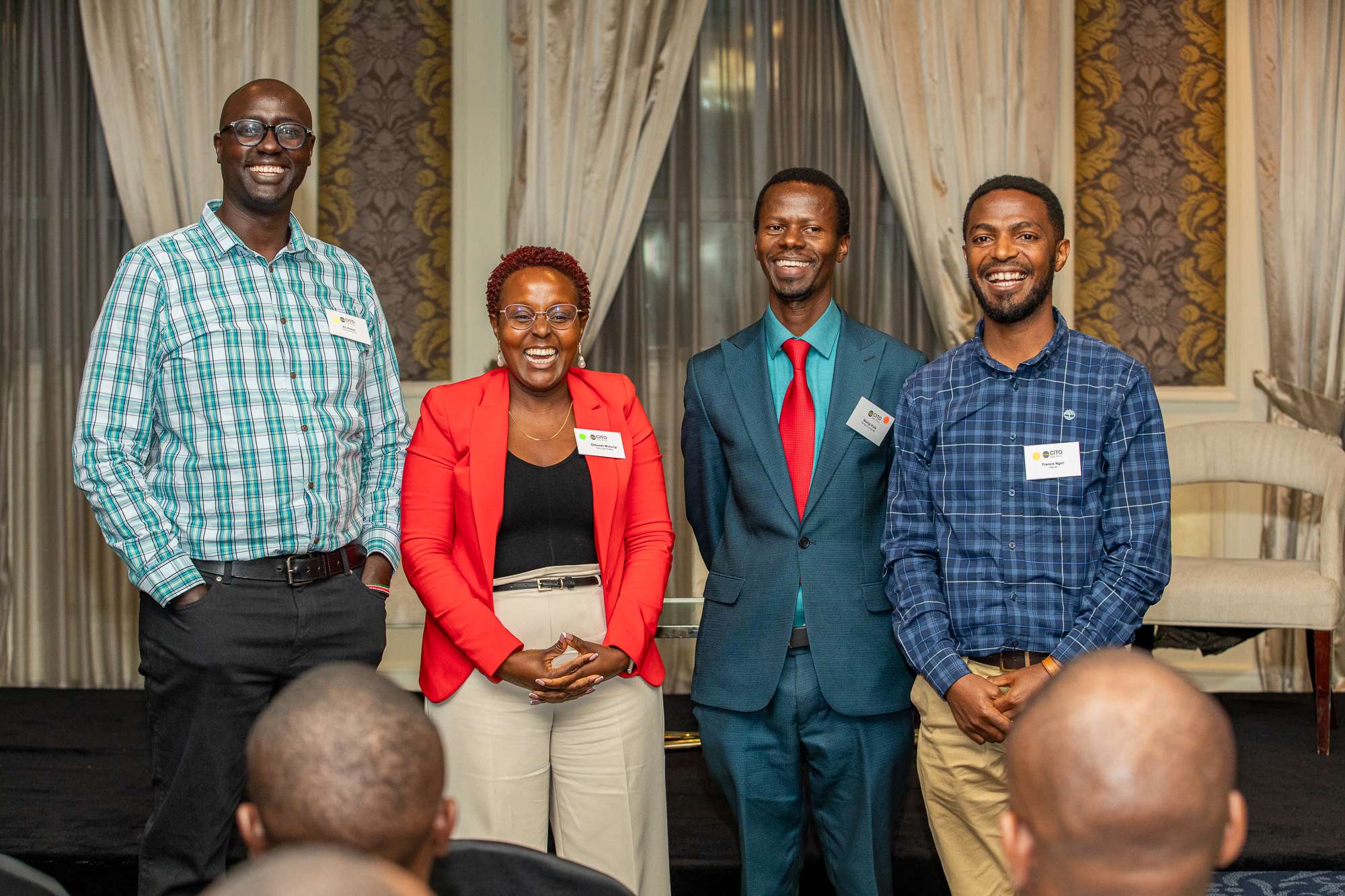
At the CITO East Africa summit in Nairobi, Deborah Ngina Mutungi, CIO at Sarova Hotels, Dr Mwirigi Kiula, deputy vice chancellor for finance and administration at St Paul's University, and Francis Ngari, CIO at Naivas, sat on a panel to give feedback from interactive sessions on AI and digital transformation. They offered honest answers about where AI is genuinely working, where the ground is still being laid, and where the real tension has not gone away.
Deborah Ngina Mutungi, chief information officer at Sarova Hotels, started with a problem most guests never see, explaining that every stay generates feedback across multiple platforms simultaneously, including Google, TripAdvisor, Booking.com and Instagram. Until recently, the team responsible for responding had to visit each one separately, which was a process that consumed time that could have been spent fixing the underlying issues.
Turning feedback into action
“We had a very disintegrated way of consolidating this feedback, and it would take forever for the guest relations managers to be able to respond to every guest feedback that had been given,” she said. “So, we acquired an AI tool that consolidates all this feedback into one channel, meaning you do not have to go to TripAdvisor, advocate.com, or hotel beds to see exactly what has been said about your hotel,” she added.
Sarova now uses the tool to handle responses that require no human judgement, flagging the rest for a five ‘why’ analysis that works backwards to the root cause of a complaint. Deborah noted that the second use case is quieter but more consequential, as it involves using guest data to shape the experience before it begins.
“If it is a Thursday that we are doing jazz, then I need to know Tom loves jazz and that is because I have enough data that can help me reach Tom and tell him, by the way, Thursday we have jazz. I know you love this cocktail, and by the time you get to the hotel, you will find it ready,” she said.
AI in unlikely places
Dr Mwirigi Kiula, deputy vice chancellor for finance and administration at St Paul's University came to the conversation from an institution founded in 1875 that now spans five schools, including health sciences, communication and computer studies, business, education, and theology. Each sit at a different point of readiness for what AI brings, and none more unexpectedly than the last.
“How do you have AI reaching a sermon, and where do you begin?” he asked. “But being in an ecumenical institution, I now find AI can be used to prepare someone's faith, and GPT is working very nicely, so you can actually imagine we are cutting across several fields at very different levels of acceptance of emerging technologies.”
Mwirigi noted that St Paul's has moved from prohibition to pragmatism, establishing an innovation and entrepreneurship track from August last year to give students room to experiment, with a strategic plan running to 2030 built around resilience through digitalisation. He brought a set of principles to the room for making that work in practice, emphasising the need to walk with users so that what is being built in the lab makes sense to those who will use it, and to break down data silos. He also stressed giving every experiment a defined endpoint with metrics that justify scaling.
Decisions at scale
“Walk and work with your users so that what you are experimenting back in the lab will have an appreciation for it and will make more meaning to the business,” he said. “And break away all the silos, because data sets from my space may be lacking the wisdom from your space or as long as we keep our silos, we miss something that could have enabled us to have better models from our AI experiments,” he added.
Francis Ngari, chief information officer at Naivas noted that Naivas manages 60,000 products across 114 stores, and every single day, a decision has to be made about every one of them. These decisions include whether to restock, whether supply is running ahead of demand, and whether a product is about to run short or pile up unsold. At present, much of that is done manually by people on paper or by email, but AI and robotic process automation are in progress.
"As a supermarket, every single day we must make a decision about every product on its own, because it needs to be found on the shelf. If it is not found on the shelf, then it is a lost opportunity, and if it is on the shelf and it is overstocked, then you have tied your revenues,” he added. “We actually discussed whether we really need to implement AI, given the actual impact it is going to have on the number of people, because if you automate data entry, for example, you perhaps will impact 1,000 people.”