CITO East Africa's CIO of the Future Summit brought together Uganda's technology leaders to explore what it takes to lead through changing business expectations and a faster technology cycle.
The days of IT sitting quietly in the corner waiting for a business request are over. At CITO East Africa's CIO of the Future Summit held at the Four Points by Sheraton Kampala, Uganda's top technology leaders challenged one another to move closer to the business and take greater responsibility for shaping what comes next.
"CEOs and heads of business don't want to hear about your servers. They want to understand what value you bring, so we have to evolve from being support functions and become business enablers," Sulaiman Mugalasi, CIO of Airtel Money Uganda, said during the opening panel.
The panel discussion on leading through the next wave of change also featured Ivas Kwikiriza, head of business technology at Tropical Bank Uganda, Kenneth Ogwang, head of digital and technology at Diageo, and Annet Nanungi, head of IT at the Joint Clinical Research Centre (JCRC).
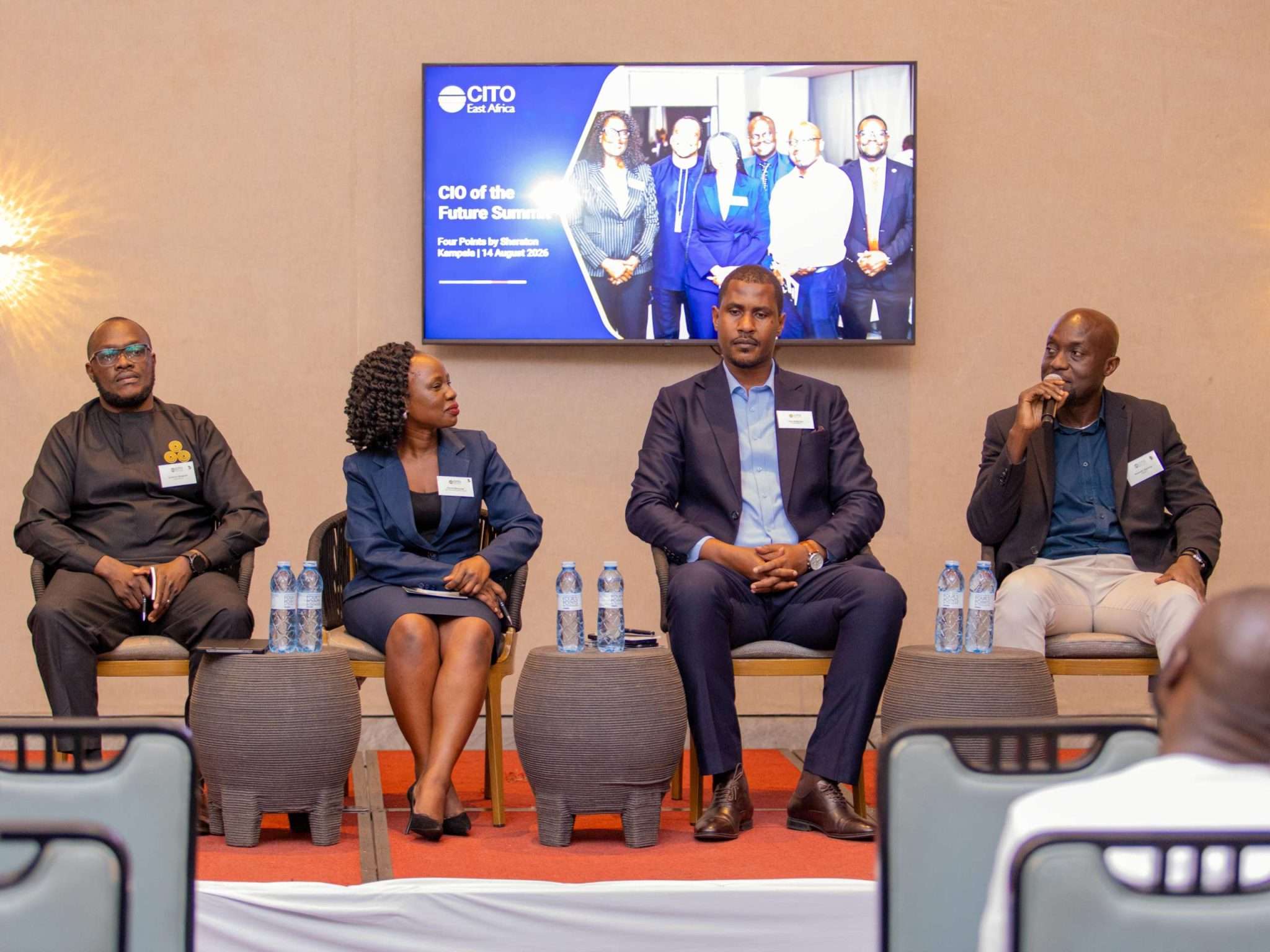
For Kenneth, that shift also raised the question of where technology leaders sit in the wider organisation. He argued that CIOs who want influence beyond their own departments need to pursue it deliberately rather than wait for the opportunity to appear.
"Being a board director didn't just start with hanging around and keeping quiet. It was an intentional journey to market and position myself as credible enough to be chosen to become a board director," he said.
Building the policies
Annet brought a different perspective to the panel, warning that many organisations are adopting AI faster than they are building the policies to govern it.
"People are really going in for AI when there are no policies in place. You're wondering, how we have been developing and utilising AI without these policies,” she said.
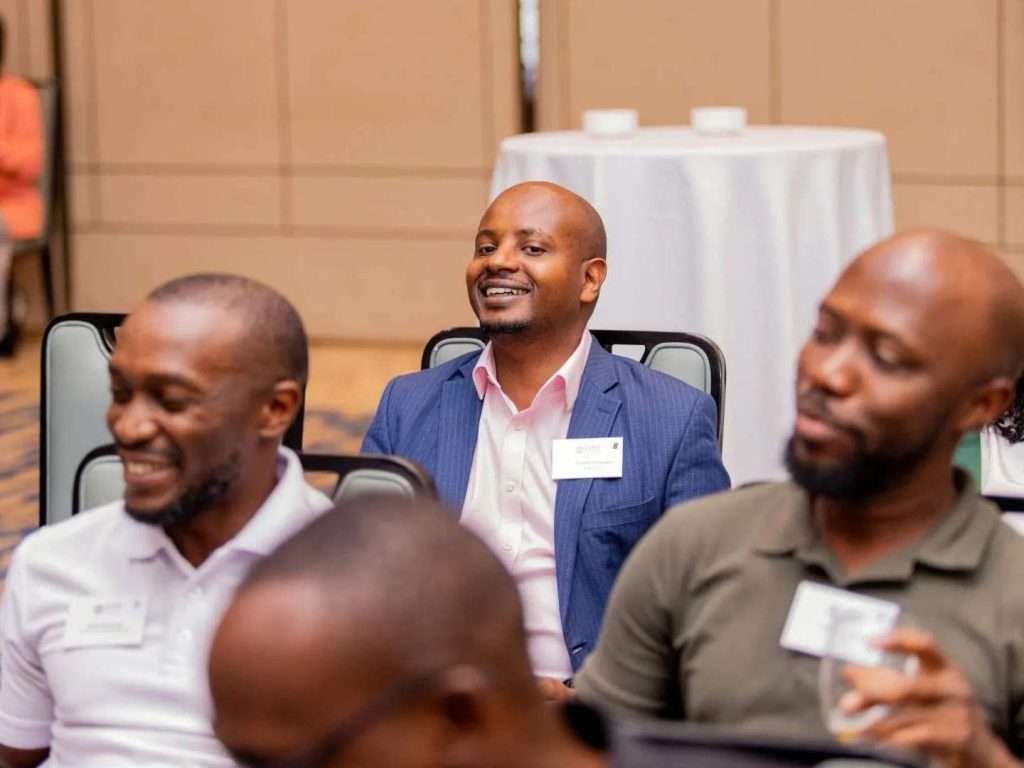
The conversation then moved into an interactive session examining how current technology trends are changing the work of IT leaders. Participants identified AI, geopolitics, regulation and cybersecurity as issues they must contend with, while also questioning whether traditional approaches to skills development can keep pace with rapidly changing technology.
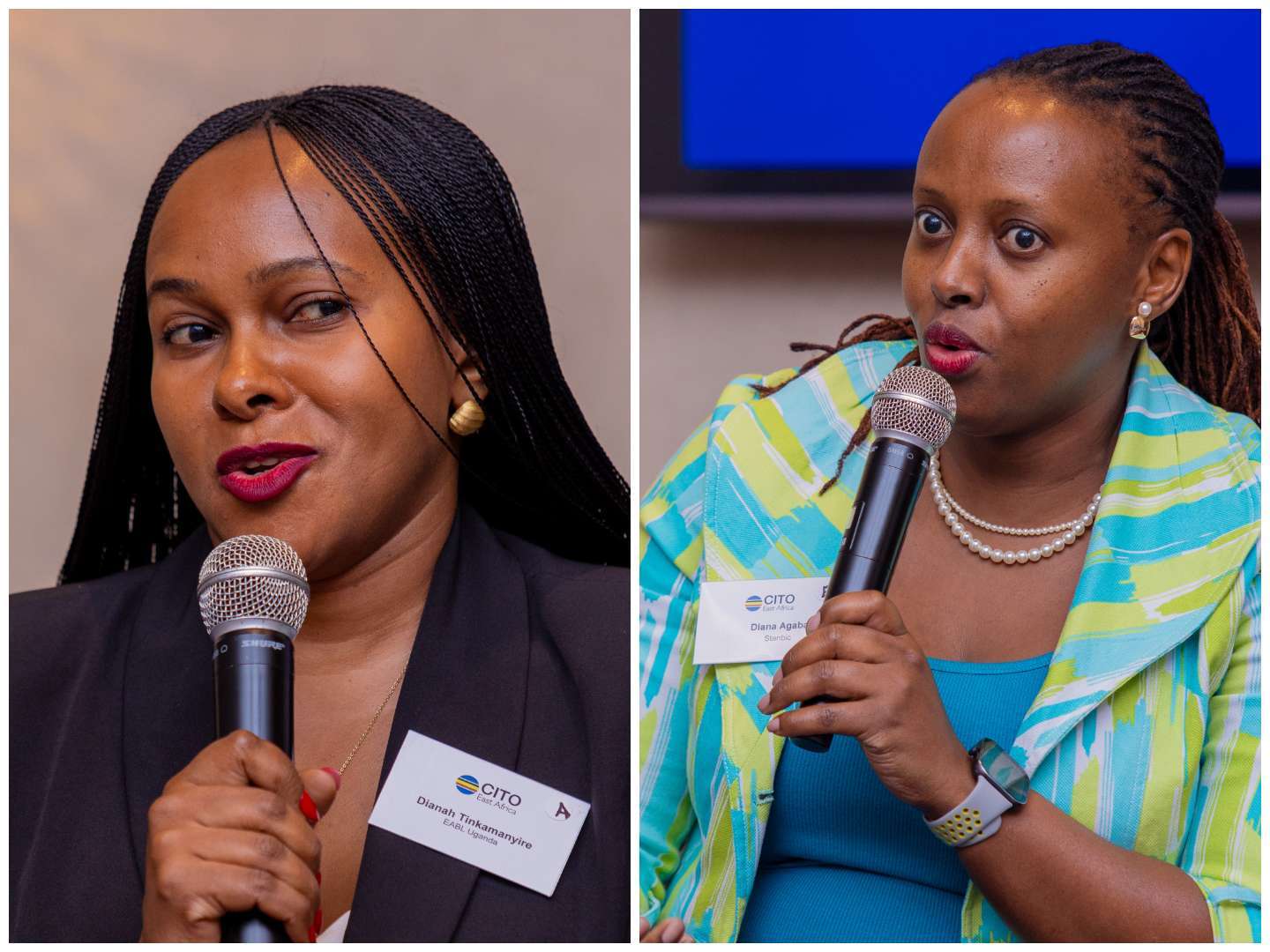
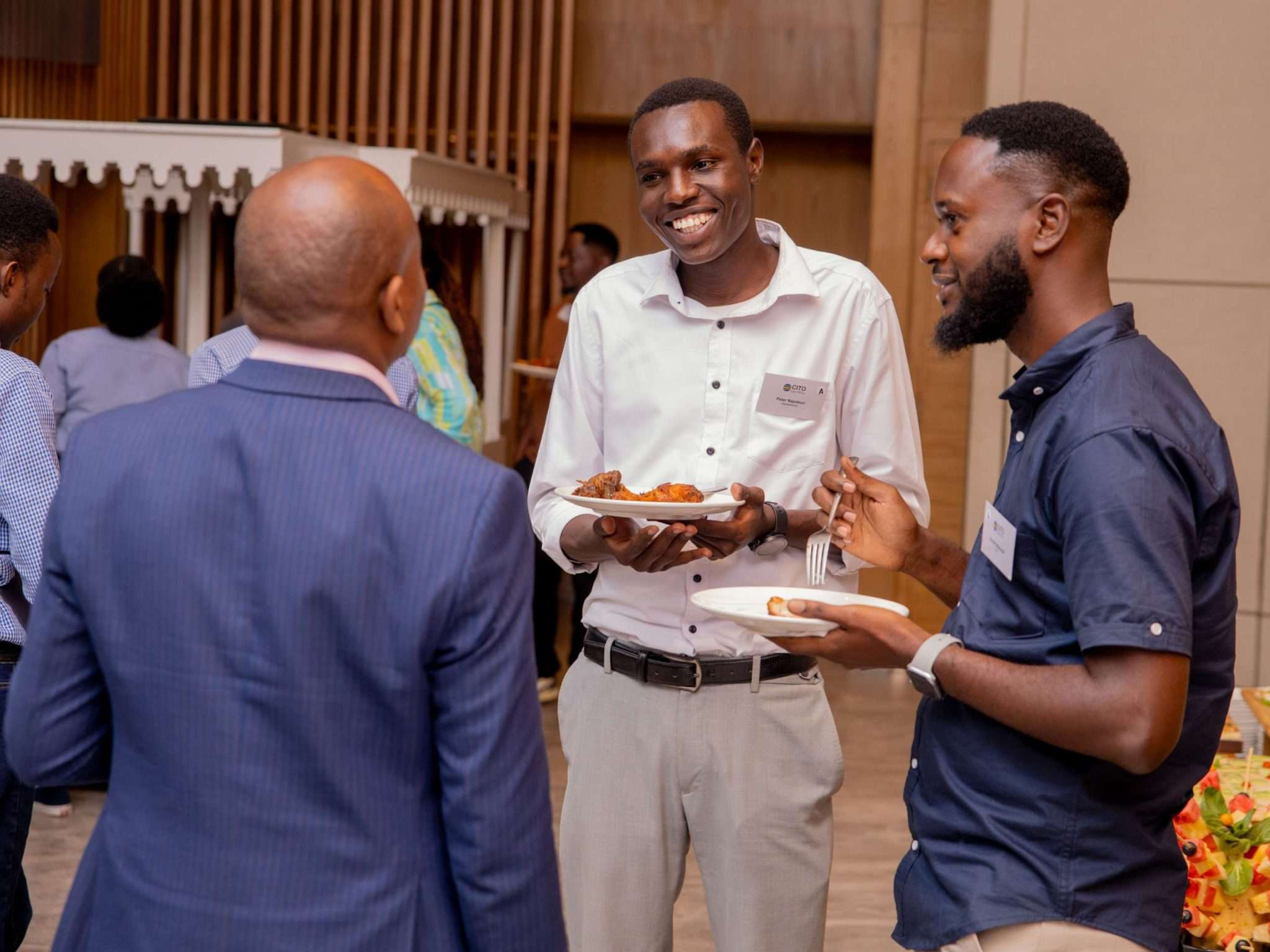
After the interactive discussions, executives gathered over a hearty buffet and drinks, with conversations spilling over from the sessions into lively exchanges between peers. It was a chance to compare experiences and make connections in a more relaxed setting before the group returned for the feedback session with Diageo head of ICT Diana Tinkamanyire and Stanbic Bank Uganda head of information security Diana Agaba, dubbed Diana T and Diana A for the evening.
The leadership question
The speakers reflected on the day's conversations and the shifting expectations of technology leaders, highlighting the importance of looking beyond systems and understanding the wider business forces shaping their organisations.
One of those forces was geopolitics. They pointed to the location of data in cloud environments as a consideration for technology leaders, while also highlighting the difficulty of keeping pace when regulation develops more slowly than technology.
"If you're in technology and you have adopted cloud as a trend, and you're being hosted in any of these countries, then as a leader you have to be mindful of where your data is sitting," Diana Agaba said.
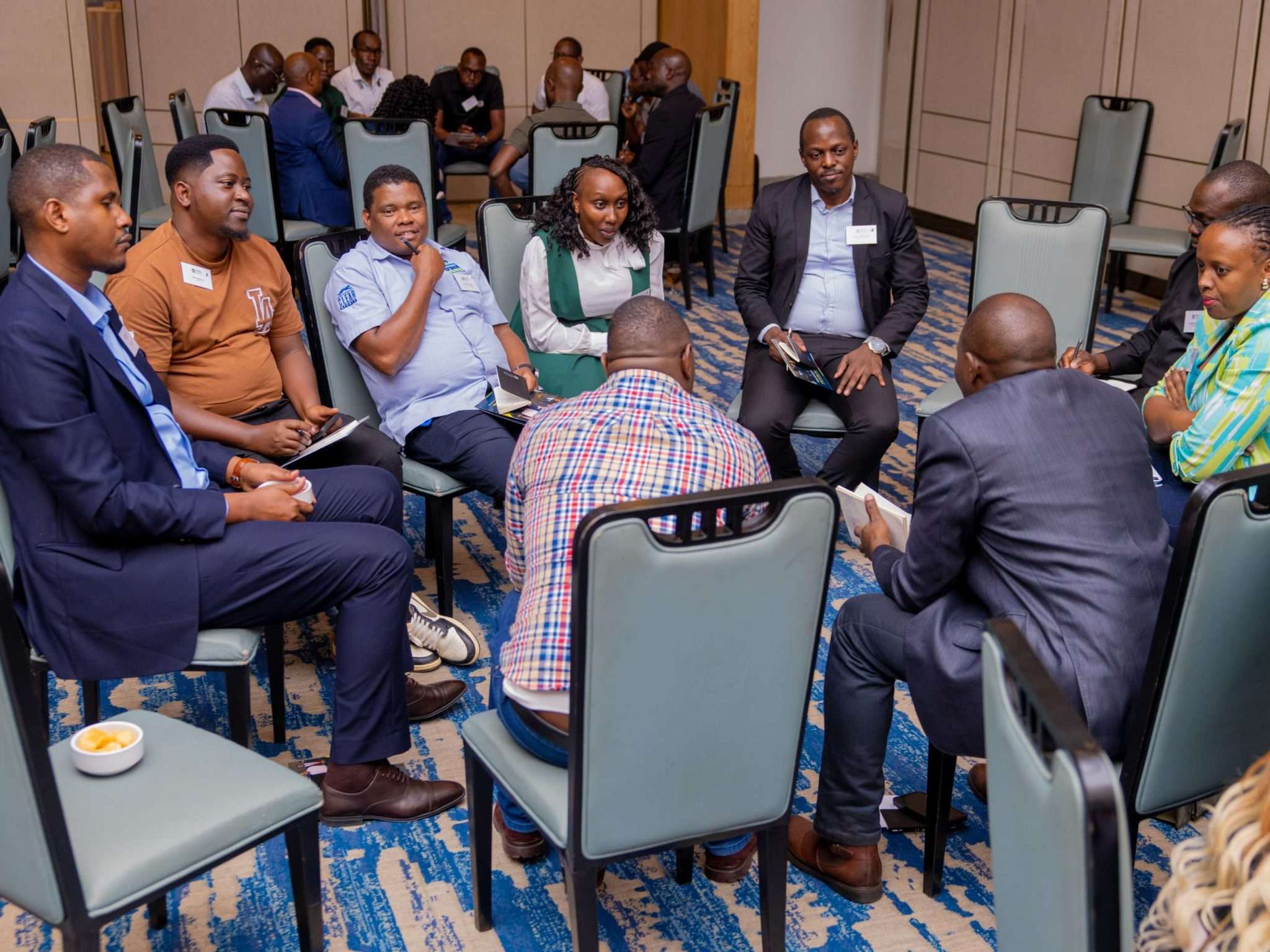
The feedback session also returned to the question of leadership, with Diana Tinkamanyire describing how Kenneth, whom she reports to, had helped her progress by saying her name in rooms she was not in.
"We are no longer technology custodians, but business enablers. So the question is how to translate all these things and all these trends and the costs that it comes with into business language," she went on.
Thinking about influence
The executives also questioned whether lengthy technology projects and traditional certification processes remain suited to an environment where new tools can be created and deployed rapidly.
"Everyone thinks they are IT because everyone can code now. So what does that mean to us as an IT shop, leave alone the shadow AI and the shadow IT that we talk about?" Diana Agaba, said.
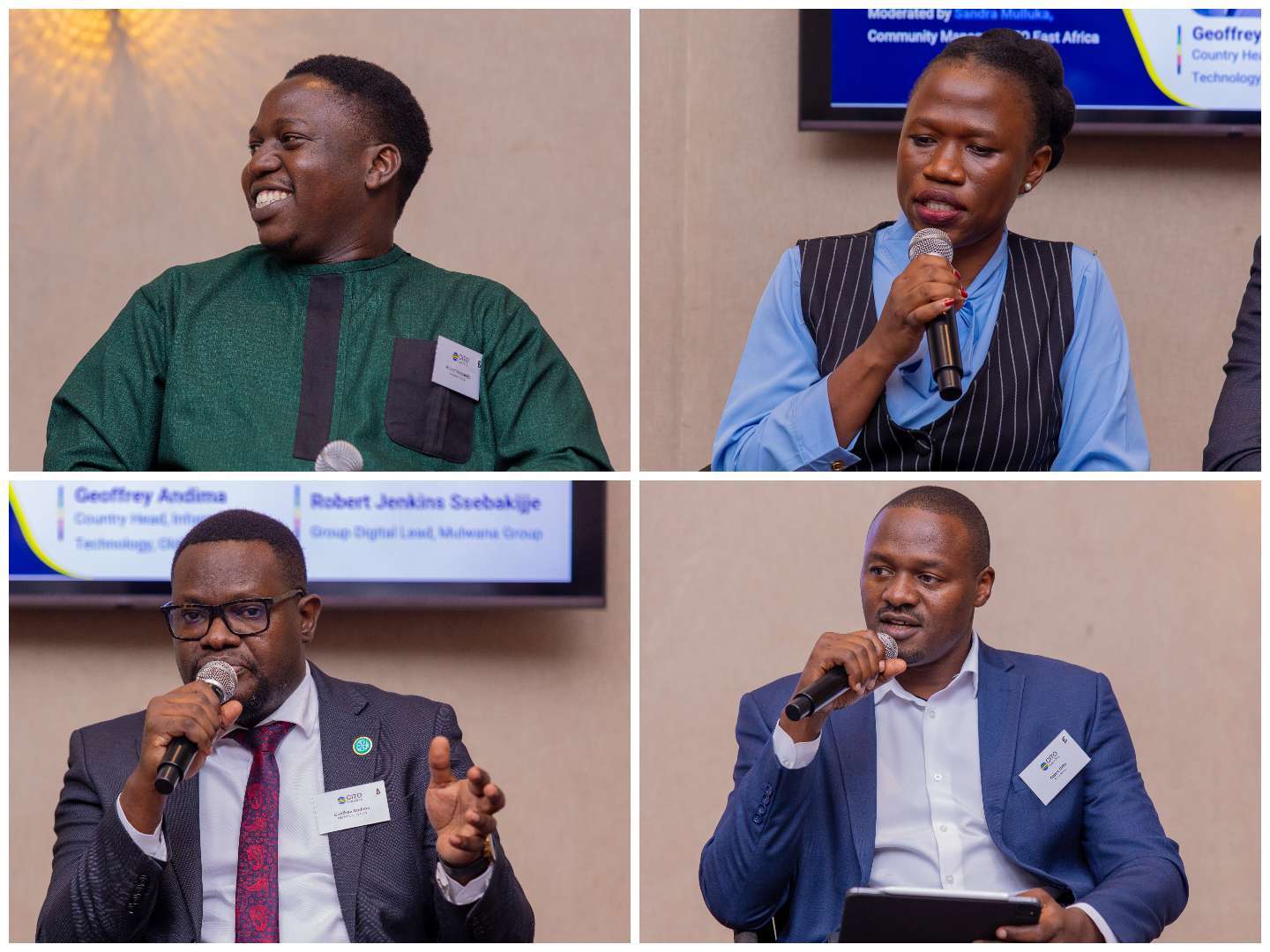
The final panel turned squarely to intelligent enterprises, with Albert Gitta, CIO of MTN Uganda, Geoffrey Andima, country head of information technology at Old Mutual, Robert Ssebakijje, group digital lead at Mulwana Group, and Catherine Bwire, CISO at Ecobank Uganda, examining the controls needed around emerging technologies.
Robert pushed the panel to think about influence beyond their own organisations, saying technology leaders should be shaping regulation rather than simply responding to it once it arrives.
"It is really important for us to run a bit faster and define what that level would be, because right now it's as if we are reacting. We are reacting towards AI, we are reacting towards emerging technologies," he explained.
AI is here
Albert was more blunt about the risk, telling the room that it will not be AI itself that displaces people but the gap between those who know how to use it and those who do not. He also pointed to the challenge of keeping Gen Z talent engaged, noting that younger employees move quickly toward whatever technology is trending and can lose interest just as quickly if their organisations fail to keep pace with them.
Geoffrey picked up that thread, noting that resisting AI outright only puts CIOs farther behind the businesses they are meant to be serving.
"As CIOs, CTOs, CISOs, we need to learn to speak the business language, and really, this comes from the discussions that we've been having. As IT guys, we need to be future focused, and we need to learn acceptance. The AI is here, guys," Geoffrey said.
The conversation left IT leaders with a sharper definition of their role. As they revealed, they are now expected to create space for experimentation without abandoning governance and ensure technology decisions make sense to the business.
"If you are unable to have the final say on every decision your agent makes, which is human in the loop, then the bare minimum you need to do is ensure you have a monitoring capability, which is human on the loop," Catherine said.
The event was made possible by associate partner GardaWorld.