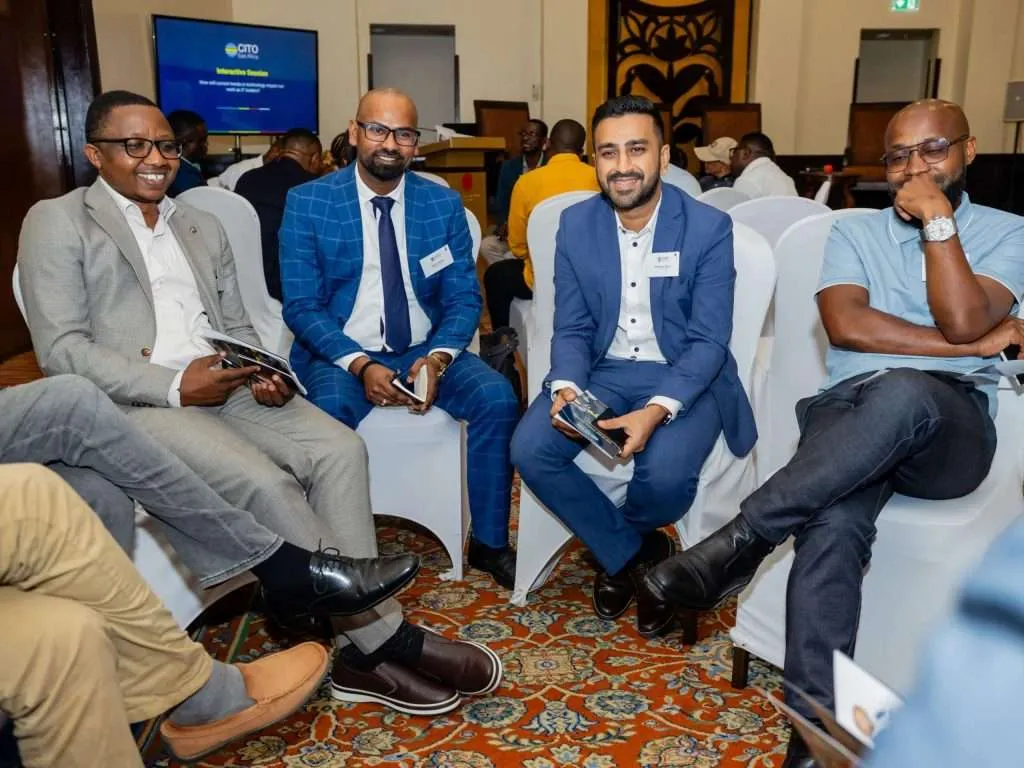
The CIO of the Future Summit brought nearly 100 IT leaders together at the Dar es Salaam Serena Hotel on 11 September for a deep look at the forces changing the role of the CIO, with the conversation quickly moving past technology.
With AI becoming harder to separate from everyday business decisions, speakers at Dar es Salaam’s CIO of the Future Summit returned repeatedly to the question of how IT leaders can turn new tools into business value while keeping people and governance squarely in the picture. The event brought together Amiri Sultani Mziray, head of ICT at I&M Bank Tanzania, Rohit Thakar, CTO at TEAGTL and Godwin Mbekelu, head of IT at SportPesa for the opening panel on leading through the next wave of change.
For Amiri, the shift starts with IT leaders changing how they communicate with the rest of the business. Technical expertise alone is no longer enough when CIOs are increasingly expected to help shape growth and direction.
“An IT leader today needs to be able to transition from being a person who is solving technical problems to a person who actually helps the business or drives the business to grow. What we need to improve is how to communicate that in very simple terms, so that other leaders within our organisation are able to see what we are able to see and take up that vision,” he said.
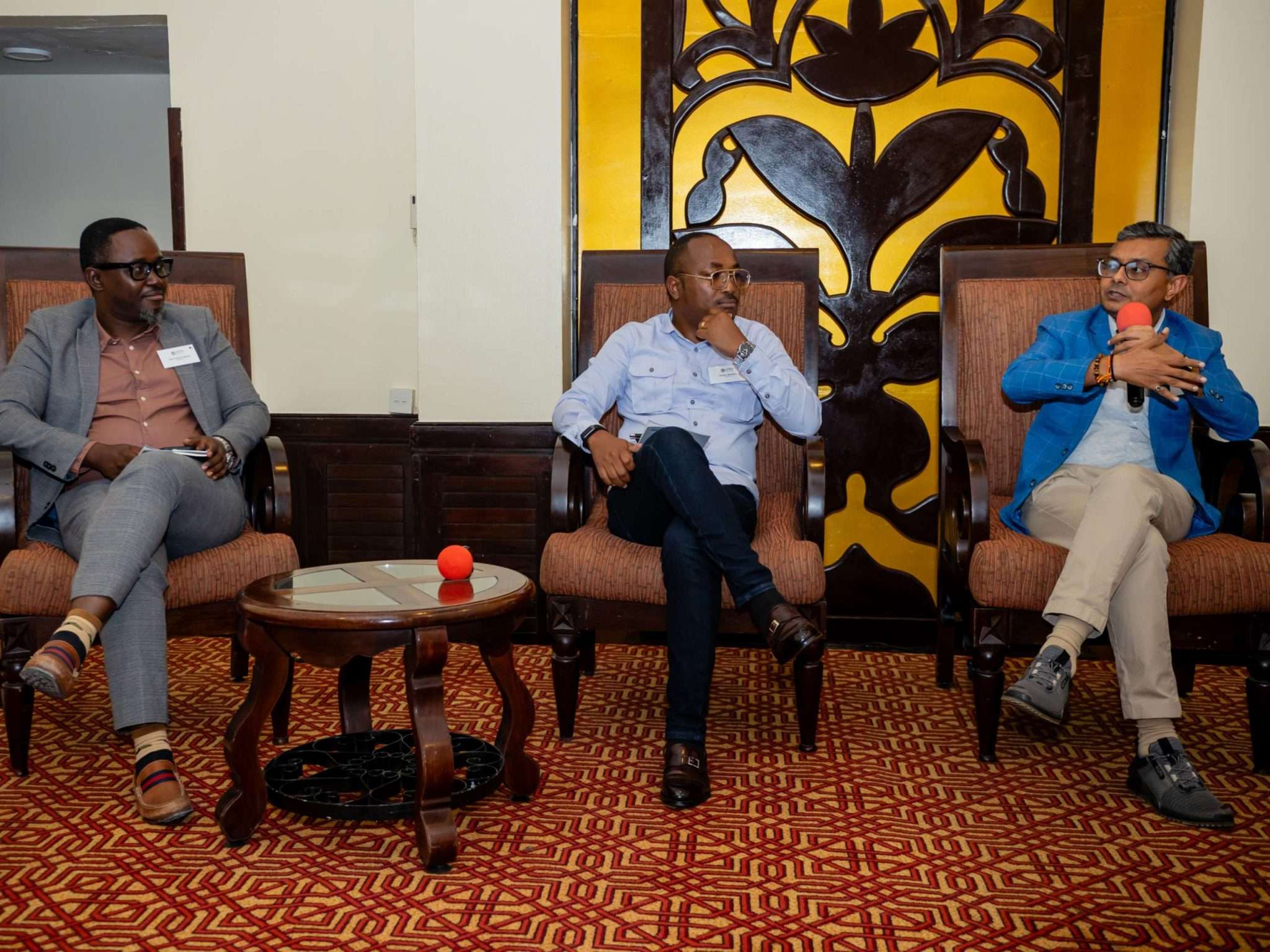
As Rohit pointed out, that shift is already visible across industries. He cited the changing place of technology inside organisations, with IT moving closer to the decisions that determine how businesses operate and grow.
“Tech is no longer considered a back-office job. Now, tech is coming into the decision-making part. They are becoming enabled, so they contribute to the process,” he explained.
Godwin brought that idea into sharper focus through SportPesa’s operations, where technology sits at the heart of a real-time business. For him, the growing use of AI does not remove the need for CIOs to make decisions and own the consequences.
“AI is a tool, it is not a decision maker. Instead of you running code or analysing the log for 10 hours, you can use AI to do the analysis in two minutes. AI will help us to fast-track the decision, but we remain accountable to make sure that the outcome makes sense to the business,” he said.
Building for AI
Dr Allen Mutono, CEO of the IALE Institute in South Africa and author of The AI Toolkit, then pushed the conversation into the implications of AI for African businesses. His keynote moved from the familiar world of prompts and chatbots to agentic AI, where systems can be given goals and workflows and operate with greater independence.
The question, however, is not simply how quickly organisations can adopt AI. Allen argued that its value depends on the context in which it is deployed and the data available to support it.
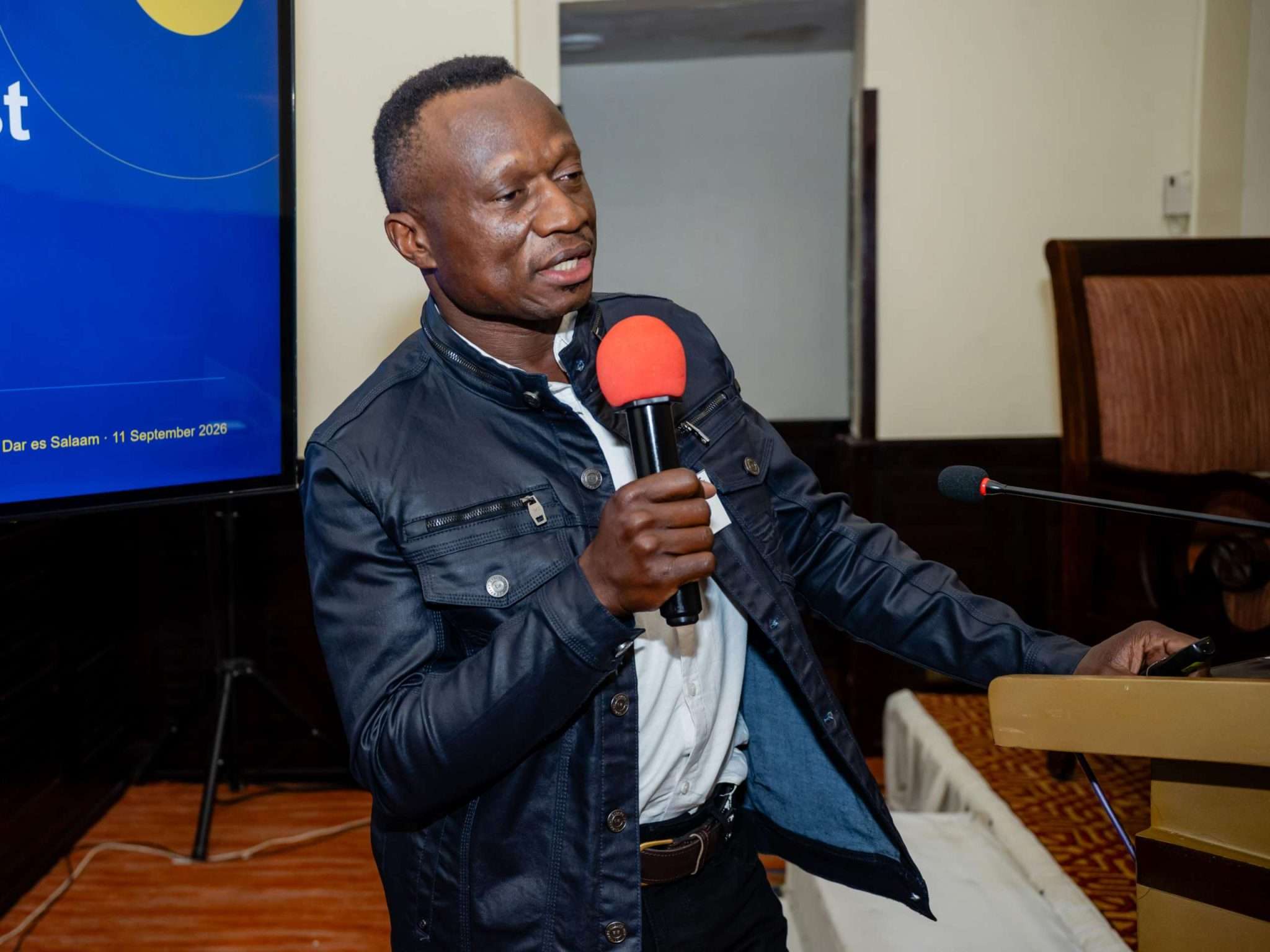
“The use of AI is only possible when it’s arranged along the context, along the awareness of the individual who is using it, and allowing the right data to be able to perform a task efficiently. Therefore AI for our African conditions will be different from the AI that is being developed or used in other geographies of the world,” he said.
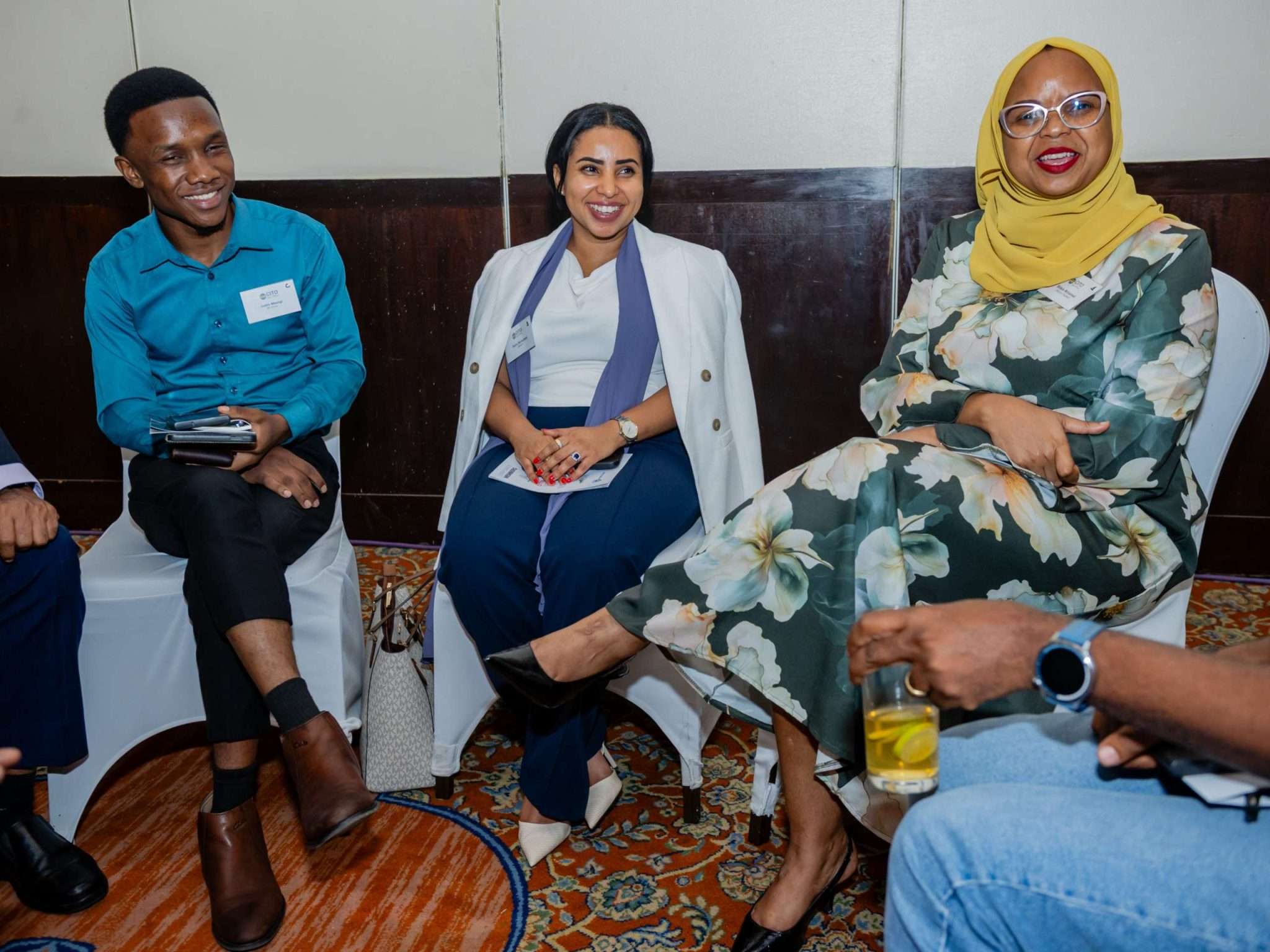
The practical implications surfaced again when Frank Macha, product manager, online & channels at UBA Tanzania, and Siael Macha, head of digital innovation at Mwananchi Communications, shared feedback from the interactive discussions.
Siael said the spread of AI is changing the job itself, requiring IT leaders to think more deeply about risk and the different levels of technology adoption among users.
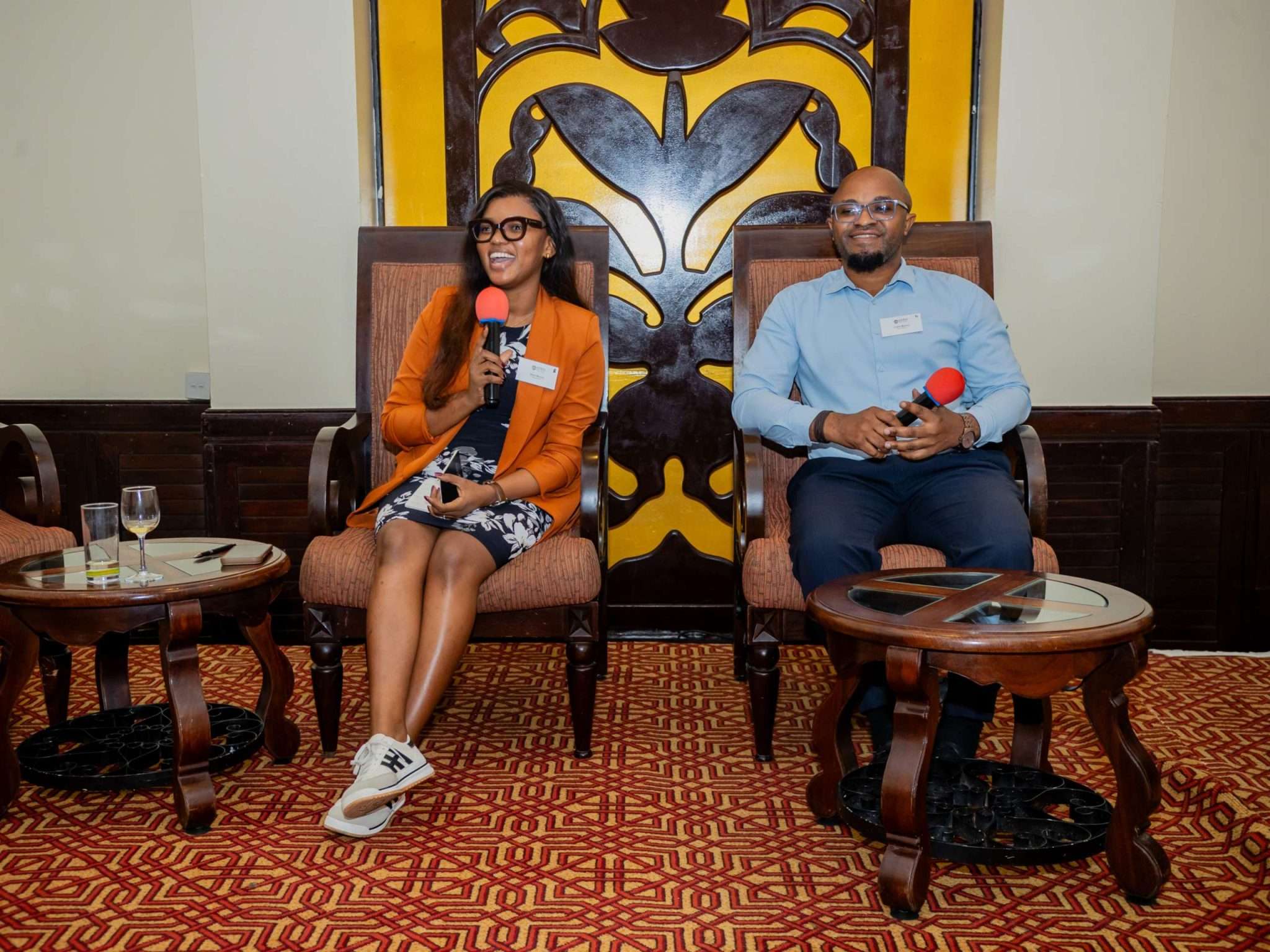
“It’s really forcing us as IT leaders now to be risk managers. It’s also forcing us to be the people to balance the scale because on one end you have people who are very tech savvy and they think they may have AI or rather shadow IT, and then on this edge you have people that are not really tech savvy,” she said.
Frank took the discussion into cybersecurity, arguing that technology will keep changing and so will the attacks targeting it. That makes the people using the systems an increasingly important part of the security equation.
“What I realised is that as technology is moving forward, it is changing every day, so are cyber attacks. We invest a lot on cybersecurity and everything, but we need to start now investing around people, the people that we have, because that is the weakest link,” he said.
Where intelligence meets judgement
The final panel, titled ‘Building intelligent enterprises’, brought together Victor Mtefu, director of IT at Yas Tanzania, Imani Mwanri, head of IT at Reliance Insurance, Kassim Said, CTO at Selcom and Faustine Nyangira, senior ICT manager at PASS Trust.
Victor focused on what happens when technology transformation becomes a business decision rather than an IT project. He stressed the need to establish the destination, measure impact and bring management into decisions about transformation.
“You really have to first decide where we are going and what is the deciding factor. Most of it is impact. Impact is business, and the management has to be part of it, but the biggest part that we need to do, I think, is governance,” he said.
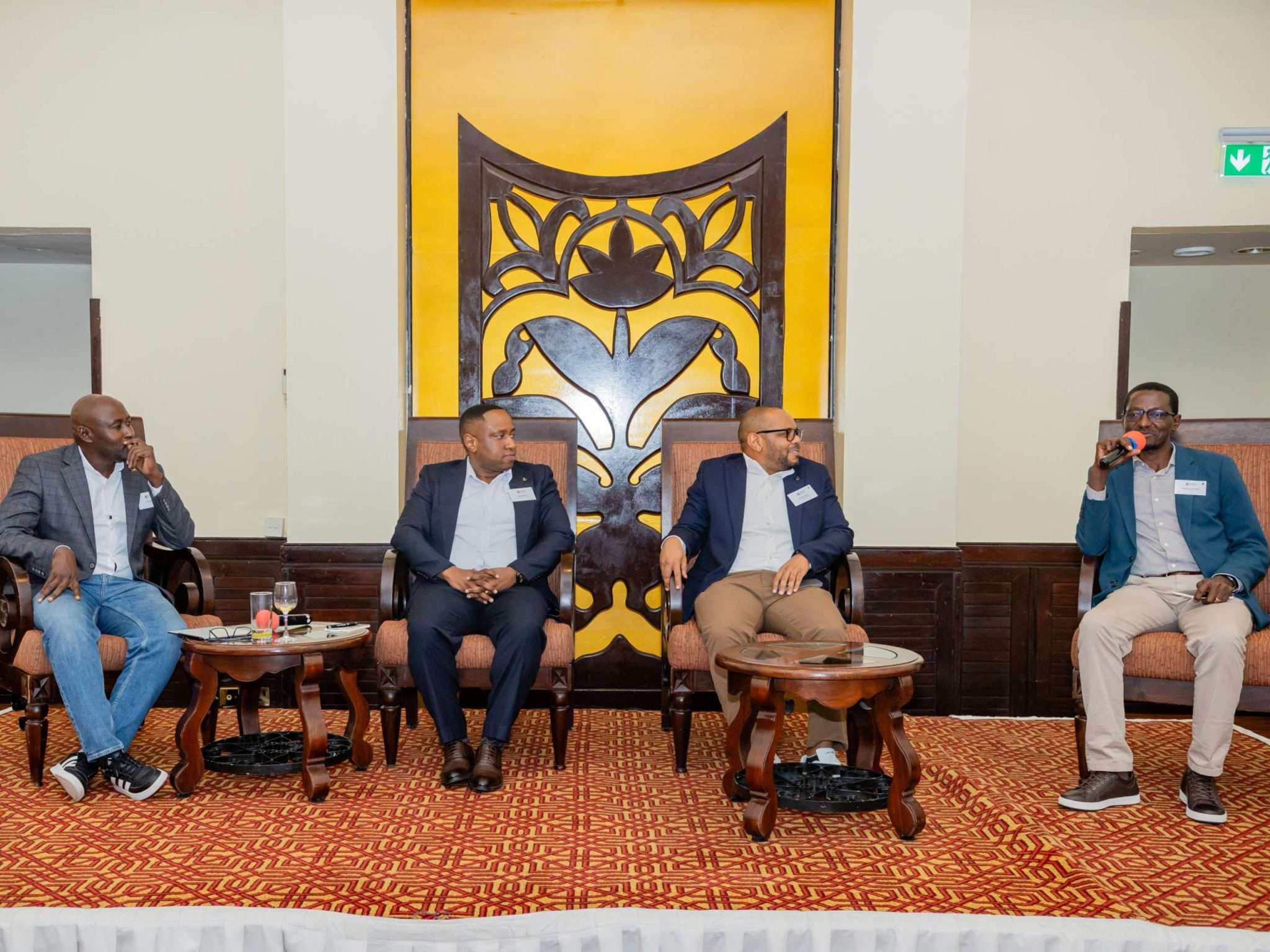
For Imani, the growing use of automation does not mean removing people from the process. As he revealed, Reliance Insurance is transforming customer journeys through automation and digitisation while retaining human intervention at points where judgement is required.
“We are transforming the complete journey of the customer, and this now comes with automation and digitisation. We can do things end to end, but there are things that we cannot transform end to end. At the end, we need the human factor to decide,” he said.
Kassim offered a more customer-facing example of the transformation, describing how Selcom has moved customers away from branches towards digital onboarding and transactions. He also highlighted how AI and machine learning are being applied to digital lending and transaction behaviour.
“We also allow statements from other sources. We have trained our engines to read statements from different banks, so we can identify whether a statement is genuine,” he said.
As technology becomes central to operations, Faustine argued that organisations need structures that protect systems while making sure users understand the risks they face. He brought the discussion back to governance and the wider responsibility that comes with increasingly digital businesses.
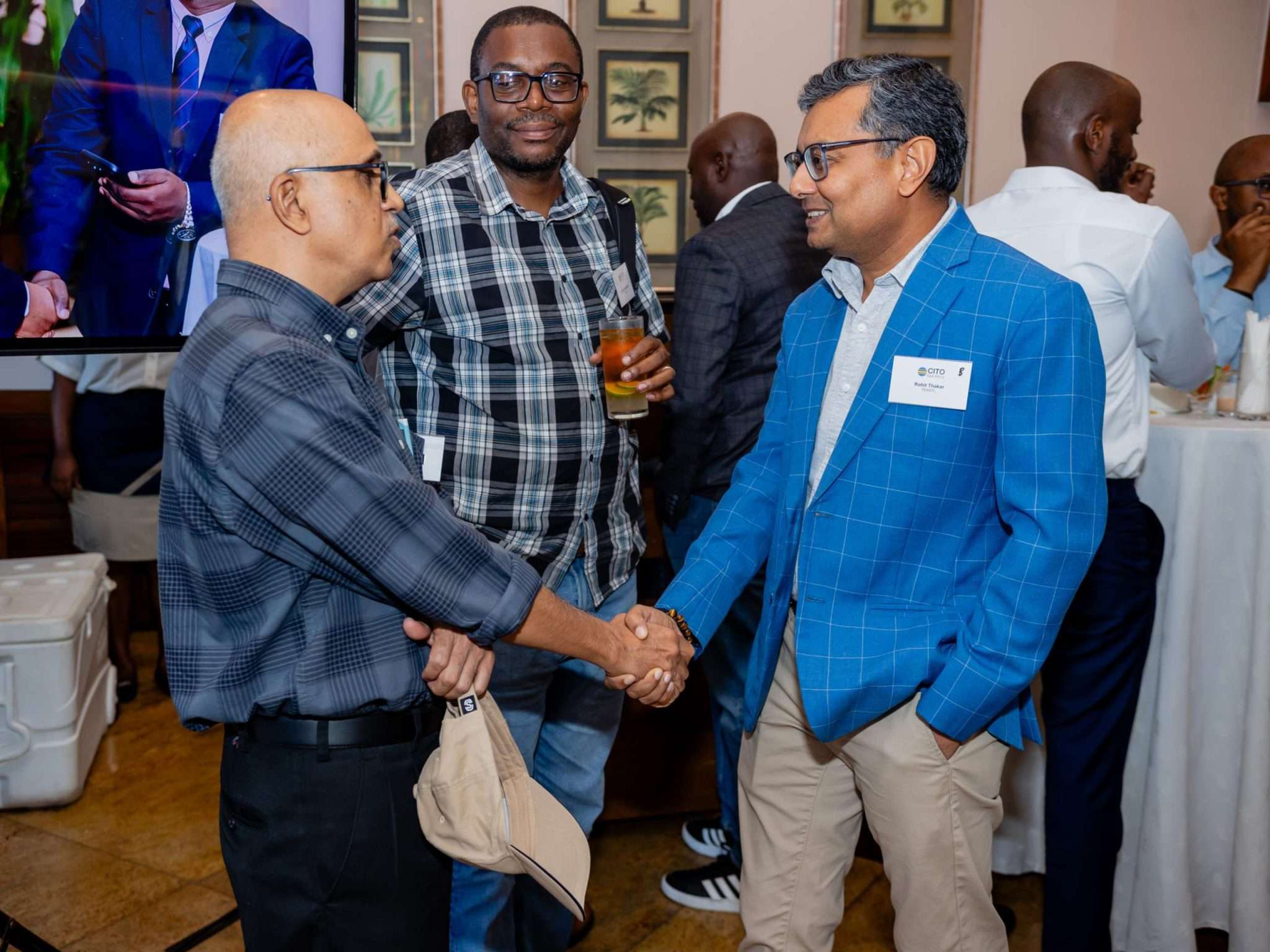
Although technology is moving deeper into business decisions, the CIO’s value will increasingly depend on knowing where AI can help and where people must remain in control.
“We are not in a position now to say that ICT is a supporting function. We are moving into digital transformation and building data intelligence, and business needs us to survive. We have to build strong governance structures to make sure that everything can operate in a safe and secure manner,” Faustine said.