The rise of East Africa’s CITO community

post-title

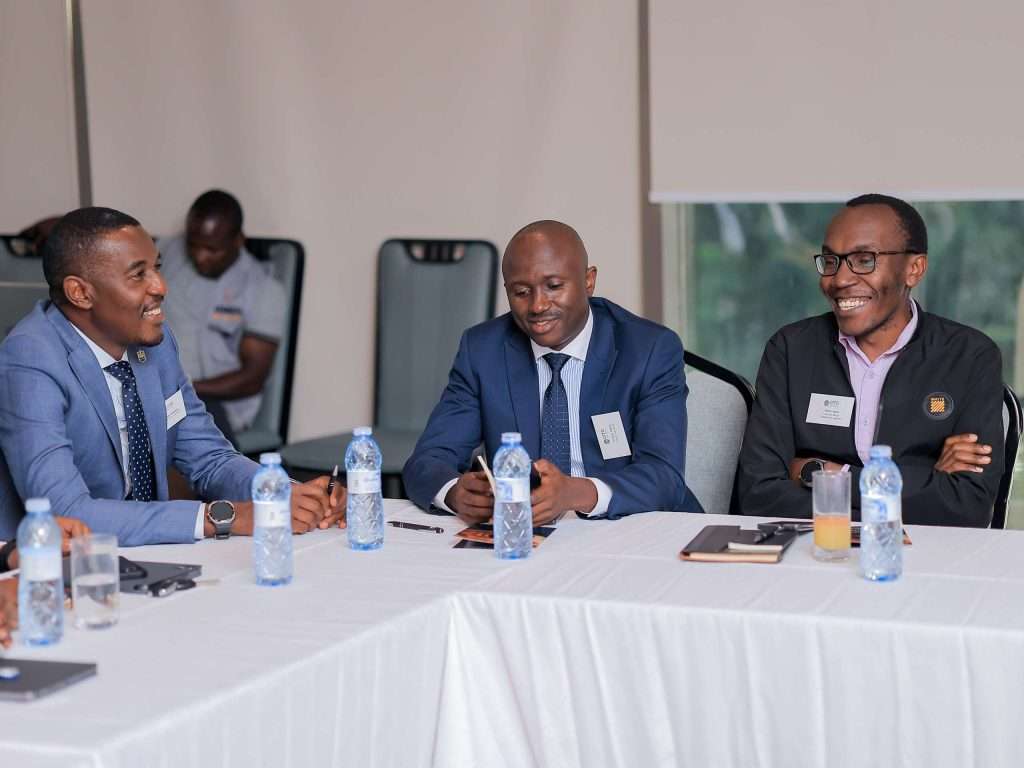
The Uganda edition of the CITO East Africa Summit began as a room full of technology leaders comparing operational challenges. By the end of the evening, the conversation had evolved into a discussion about community, collaboration and the need for CIOs across East Africa to stop working in isolation.

The Uganda edition of the CITO East Africa Summit brought together about 50 CIOs and technology leaders from sectors including banking, healthcare, telecommunications, media, NGOs and consulting to discuss the growing challenges facing technology leadership across the region. What began as conversations around operational pressures evolved into broader discussions about collaboration, influence and the need for East Africa’s CIO community to become more connected. 

While many arrived expecting technical discussions, the strongest moments often came from discovering how similar their experiences were.

One participant reflected on the growing complexity facing CIOs and questioned whether technology leaders were receiving enough support for the expanding expectations placed on them.

“There’s a lot of expectation around the ever evolving role of CIOs,” she said. “You’re expected to be a business strategist, a cost optimiser, a data and AI enabler.”

The conversation repeatedly returned to visibility and influence. Participants argued that technology leaders often remained too quiet inside organisations despite carrying responsibility for systems critical to business continuity, customer experience and security.

“We need to ensure that our voices are heard,” one participant said.

Others spoke about collaboration becoming essential, particularly in organisations where CIOs may not sit at the highest executive level. Rather than waiting for structures to change, some participants argued that technology leaders needed to build alliances across departments.

“Collaboration is your key to actually winning,” one speaker said. “You may talk and whine and say, oh, I need to report to the CEO, but it will not happen.”

The idea of shared learning gained momentum as the evening progressed. Participants discussed cybersecurity, regulation and digital infrastructure not as isolated company problems, but as challenges affecting entire industries and countries.

“How do we influence policy?” one participant asked. “How do we make sure those voices are heard?”
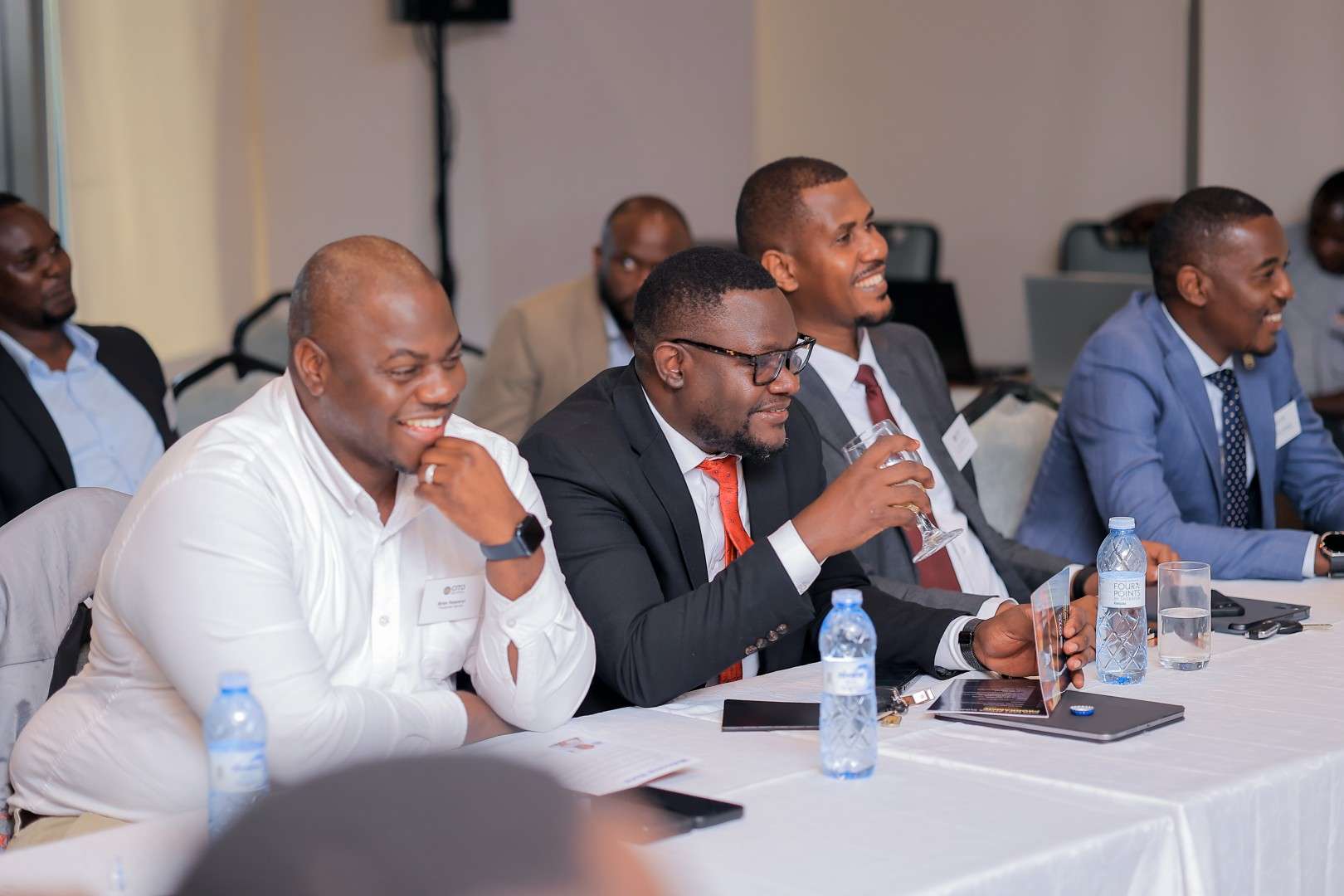
The summit also highlighted the importance of peer support in an increasingly risky digital environment. During the closing session, organisers recalled a conversation from another regional summit where several CIOs realised they had experienced cyber attacks around the same time without knowing others had been affected too.

“If they had known each other before, they probably would have talked,” one organiser said.

By the end of the evening, discussions had moved beyond immediate operational concerns into longer-term questions about East Africa’s digital future. Participants spoke about workforce development, entrepreneurship and building African technology companies capable of shaping the global economy.

“One of the members said the richest guys on this planet are actually owners of tech shops,” a participant recalled. “But what are we doing in Africa?”

The sense of building something collective became more visible during the closing moments, when participants were invited to sign a board marking the launch of the Uganda CIO community. Organisers described it as the beginning of a longer journey rather than a single event.

“If you want to go far, you go together,” one speaker said during the closing address.

As attendees moved towards dinner and continued informal conversations, the message that lingered was less about individual organisations and more about what technology leaders might achieve if they remained connected beyond the summit itself.




Related articles

Karibu World CTO Musharaf Dhanji believes personal AI is the future of business

Personal AI agents are transforming business by acting as direct intermediaries between individuals and brands. At the CITO EA virtual summit, Karibu World CTO Musharaf Dhanji showed tech leaders how to prepare for this shift by owning their tech systems and structuring data to prepare for a future where personal AI might replace traditional advertising.

Tech’s dark Friday sees East African leaders grapple with global outage 

Nearly 24 hours after users first reported an outage affecting several services on Microsoft, tech leaders are weighing the operational impact. Across the CITO East Africa community, executives are reflecting on productivity losses, cloud dependency, and the sudden absence of email while finding moments of humour amid the disruption.

2026 Virtual Summit: Tech leaders push AI beyond pilots to impact

While everyday AI usage is surging across the continent, regional enterprises still struggle to turn AI pilot projects into measurable economic returns. At the inaugural CIO East Africa virtual summit, senior technology leaders gathered to map a path beyond the buzzwords. 

SportPesa Tanzania head of IT says IT must help businesses achieve outcomes

At the CIO of the future summit held in Dar es Salaam in August, Sportpesa Tanzania CIO Godwin Mbekelu joked that he would want to work eight hours a day because in his field of work, IT professionals rarely have breaks. For Godwin, this is evidence that the IT department has evolved from being a back office function to a critical department that supports businesses to achieve their objectives.

AI questions and swift buzzer set the pace at inaugural Pitch Parade 

At the inaugural CITO East Africa Pitch Parade at Nairobi’s Capital Club, ten partners had exactly four minutes each to pitch solutions to nearly 100 tech executives. Throughout the night, CIOs were treated to a catalogue of solutions ranging from agentic AI to wealth management solutions.

FNB's Dr Mark Nasila tells CIOs to start asking what customers actually need

Speaking at the CITO East Africa Pitch Parade at Capital Club East Africa in Nairobi, Dr Mark Nasila, chief data and analytics officer at FNB South Africa and author of two books on artificial intelligence, made the case that Africa's relationship with technology needs to change, from adoption to ownership.

Build AI around local priorities, says IALE institute CEO Dr Allen Mutono

At the CIO of the Future Summit held at the Dar es Salaam Serena on 11 September, Dr Allen Mutono delivered a keynote address that challenged IT leaders to think carefully about how AI is deployed in African organisations. He also urged CIOs to equip their teams for an AI-enabled workplace while keeping human judgement at the centre.

IT heads weigh in on cybersecurity's talent problem 

A 2025 PwC report placed knowledge and skills gaps among the top challenges organisations face when implementing AI for cyber defence. Mpesa Africa’s head of cybersecurity Tim Theuri, Ecobank Uganda’s head of IT Juliet Kyomugisha and WASREB’s head of IT Brenda Anzagi weigh in on the challenge of finding talent in IT.

Fix policy gaps before scaling AI, CIO Summit panellists say

At the recent CIO of the Future Summit held in Kampala, Uganda, participants identified AI as one of their main concerns with loopholes in AI governance emerging as one of the greatest hindrances towards its effective use.

Clearer data governance frameworks dominate discussions at CITO Summit

When Ecobank Uganda's Juliet Kyomugisha, Nation Media Group's Russell Akuom and AAR Hospital's Ibrahim Juma took to the stage at the CITO East Africa Data and Cybersecurity Summit to report back from the roundtable sessions, the consistent message was that implementation is the hard part of data governance.

Top