
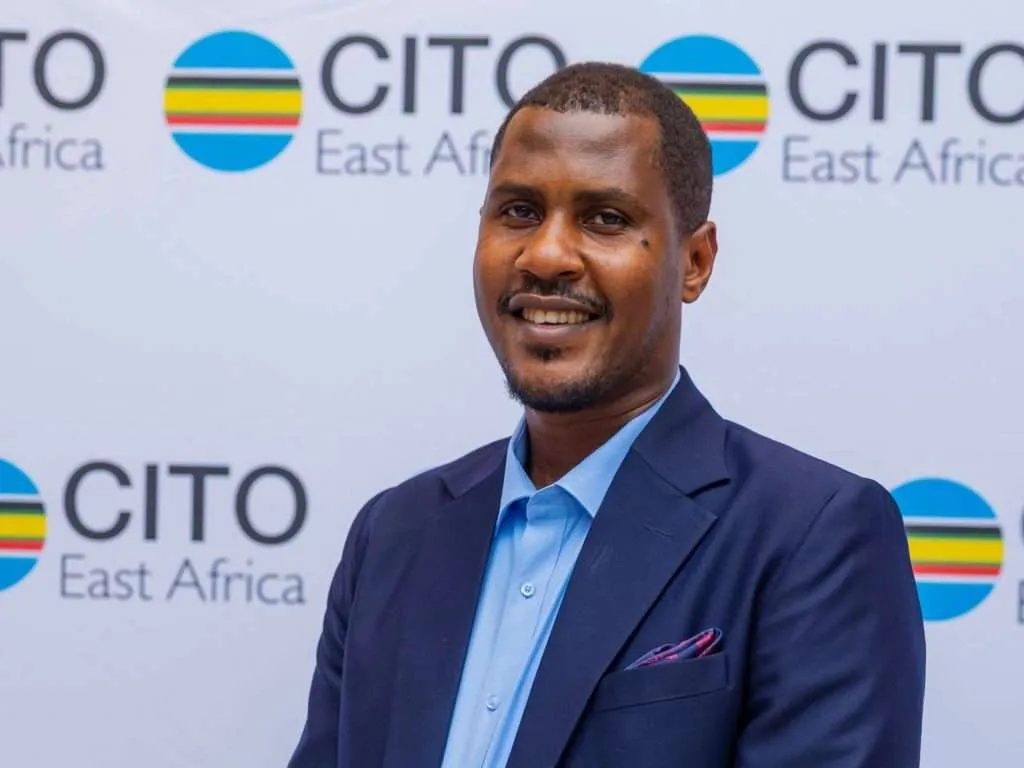
In his over 12-year IT career in banking, Tropical Bank's head of business technology, Ivas Kwikiriza has watched the industry move from simple alternative channels like ATMs to fully digital ones like mobile applications and USSD. He is convinced the next shift will be the biggest one yet, a future where banking technology stops looking like technology at all.
Ivas Kwikiriza recalls, with relish, his early days in the IT career when the greatest accomplishment for IT professionals in the alternative banking channels was ATM machine deployment.
" At the time we started around 2014, the biggest alternative channel that was widely known in Uganda was the ATM. As the tech person you would boast in having supported the deployment of ATMs and it was fun,” he says.
Soon enough, however, the winds of change came blowing and banks began building digital solutions for paying bills and taxes. A memorable moment for Ivas, who has been in banking for the entire duration of his career, was when Ecobank became one of the pioneers integrating the Uganda Revenue Authority's system for e-tax payments.
While he is quick to clear that he was not “fully into it” and was only part of the team, he recalls the experience as one that gave him a glimpse into the future.
“I started seeing how partnerships and integrations were going to be part of the future,” he says.
Building winning initiatives
True to his prediction, when he moved to another bank much later, he was part of the team that helped in the transition to mobile banking solutions, at a time when Uganda's central bank made a requirement for banks to have an in-country data centre. This saw great success in the digital transformation aspirations.
Ivas, who describes himself as a tech baby owing to his early passion for the field, took the chance to learn career defining lessons that have greatly influenced his view on technology leadership and its impact in business transformation.
“I gained a lot of insights in managing certain projects that deal with heavy tech,” he says. He would later apply these lessons in his digital transformation journey as a Technology leader in Uganda.
He has gone on to be involved in initiatives geared towards financial reach and inclusion having understood early that convenience is the best way for banks to attain competitive advantage.
“As banks we now only sell convenience to be able to gain competitive advantage, convenience is through partnerships with telcos, fintechs and startups” he says.
Today, Ivas enjoys seeing the initiatives he was part of continue to gain recognition.
“I have been part of all the major financial inclusion projects that the banks I have worked with have taken on and I am proud every time I see one of those banks take an award,” he says.
Preparing for the future
That pride, and the industry it comes from, has also sharpened his read on where banking technology is headed. He believes the distinction between tech and business is starting to dissolve.
"Before we know it, tech will no longer be tech," he says. "Even executives without a tech background will still be able to run it. We need to position ourselves for that," he says.
Ivas is already walking the talk of positioning by learning new things. He has attained an MBA, is currently enrolled in a brand development initiative and says he is still learning new things about himself through it. He also makes time for informal gatherings with people working to digitise and monetise investment in commodities, a hobby that doubles as professional upkeep.
"This way, you keep the brain active and be part of something groundbreaking.”
Beyond the bank
Outside the long hours spent at the bank, Ivas has built a life around his family. At the time of the interview, Ivas, who describes himself as a family guy, is one month and twenty-two days into marriage. This recent development has made him change how he spends his free time from basketball and sports where he previously spent a lot of time to spending time with his family.
“In banking technology you spend about 12-15 hours at work so I have about three hours with my family,” he says.