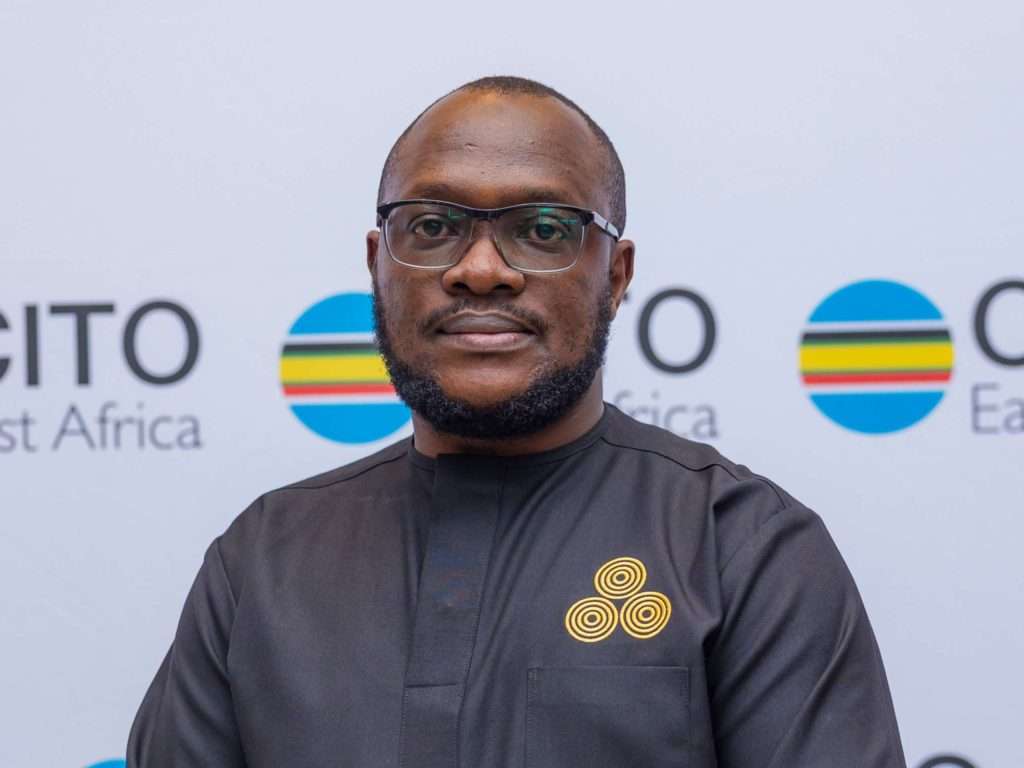
For a long time, the debate around AI has revolved around whether AI will replace humans and whether businesses especially in Africa are ready to fully embrace AI. While these debates continue, Airtel Money, Uganda has already integrated AI into its systems and is already reaping the benefits as the CIO, Sulaiman Mugalasi shares.
When Sulaiman Mugalasi joined Airtel Money in 2022, much of the organisation still ran on manual processes, even as re-engineering work was already under way. Processes like reconciliation meant pulling data into spreadsheets, dropping them into a folder and manually working through them.
Today, the company has adopted an automated system with AI built in.
"We've introduced a robotic process automated system inclined to AI," he explains. "It's able to read balances on a certain account, match it with another account and then give a report automatically."
AI integration at Airtel Money Uganda does not stop with data reconciliation as the company has also adopted it to help with fraud monitoring.
"Previously, before AI was embedded into this tool, we could just go ahead and lock the wallet and stop business because we have seen some suspicious spikes on the account," Sulaiman says.
The upgraded system now reads customer behaviour and transaction trends before making that call.
"It also now looks at the trends, the customer behaviour, and it's able to say I think this customer is doing genuine transactions so don’t block their wallet. Previously, we would just lock an account if we saw suspicious spikes,” he says.
Reading the business
With Sulaiman at the helm, Airtel Uganda has also been able to adopt AI into business analytics which has helped the business make informed decisions.
"We now have a dashboard that the business heads are looking at, real time, to see which business line is going down," he says. From there, analysts can drill into the drop and establish whether it is linked to a shift in customer behaviour, rather than starting from a blank page.
The same logic has been extended to infrastructure. AI now monitors networks, databases and connectivity for early signs of strain, feeding results into a monitoring dashboard.
"If a database is overloaded, we get to know right there before it actually impacts the application, and we take the necessary steps," Sulaiman says. The payoff has been a system availability rate of 99.9 percent.
For Sulaiman, faster processing and fewer outages have helped grow customer numbers which in turn grows the business and the transaction volumes it can mine for revenue. With such tangible results, Sulaiman is optimistic that the company will witness massive growth in the next five years.
“We have processes seamless and we have provided operational efficiency and stability of the systems. We have also improved cybersecurity. So we want to see in the next five years business growth. Actually, as the CIO I now even go into meetings and ask for accountability,” he says.
Having successfully overseen the digital transformation of Airtel Money Uganda, Sulaiman now has his sights set on interoperability, which he believes is the future of the industry.
"The future of what we could call fintech or banking is interoperability and collaboration. If we kill interoperability and collaboration, a time is going to come when those who actually enable interoperability and collaboration are beating those who decided to work in silos," he says.
It’s the same logic he extends to cybersecurity arguing that most organisations suffer silently under cyber attacks because tech leaders do not share the challenges they go through.
“If a cyber attack happens to me and I keep quiet, they are the same attackers that are going to come to you and use the same methods. But if I was free to share and say this is how I was compromised, the other person will be able to prevent an attack,” he says.