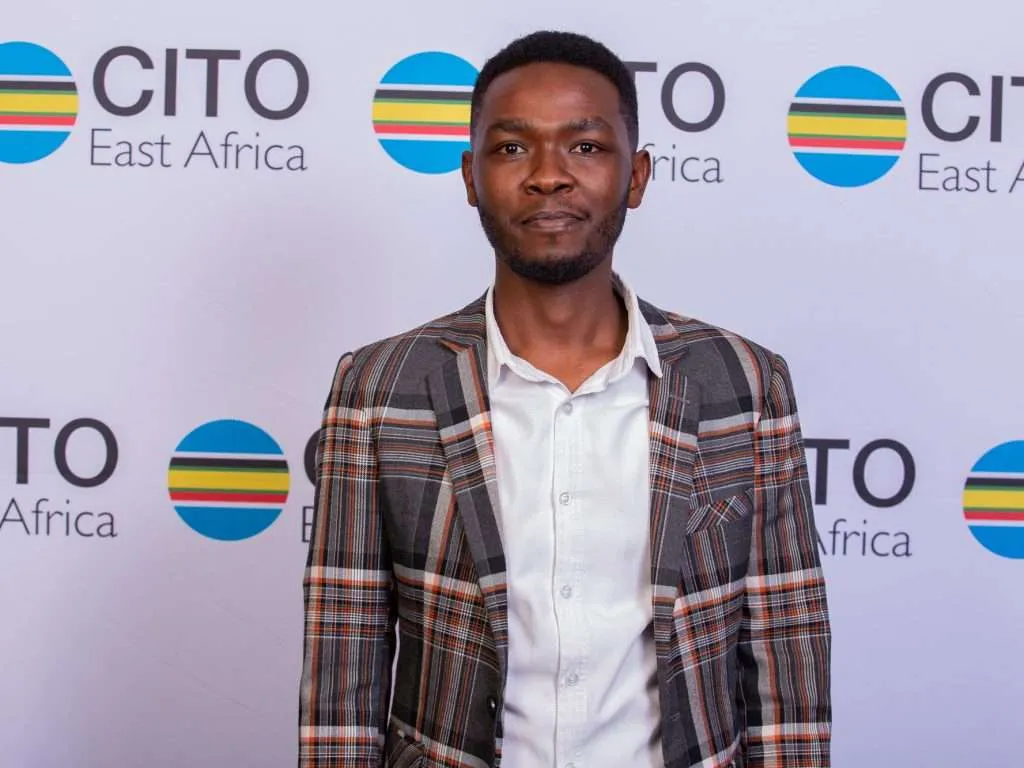
For seven years, Peter Gichia focused on building software he believed in. Success, however, remained out of reach until he shifted his focus from the code to the people actually using it
One of Peter Gichia’s biggest challenges in his seven-year IT career has been convincing clients to buy software solutions.
“It’s very hard to sell software in Kenya. In our previous company we used to do a lot of machine learning trying to target big companies, some with several branches. We were trying to merge all this data together and then present it on a nice dashboard for their board of directors and management. As the developer, this excites you. You focus so much on it and you can see the real value but when you try to pitch it is not that fun and no one really buys it,” he says.
This challenge was not confined to his previous workplace. Even after moving to SokoFresh, where he started as an engineer before being recently promoted to head of IT, the same issue persisted. Peter joined SokoFresh at a time when the company was experiencing a challenge with their field systems.
“Someone would be way deep in the farm and in the rain. Sometimes they would struggle a lot trying to handle farmers, measuring produce and inputting information on the system. When I joined, the first task was to develop something a bit lightweight that could work easily in the fields,” he recalls.
Selling solutions to skeptics
Peter also helped develop a traceability system that allows buyers to trace a product back to the farm where it was sourced.
“Once we had come up with the solution, we thought what if we just leverage what we’ve already done and give it to other companies that are trying to come up,” he says.
However, while he can see the value of what they have built, communicating this to other companies has been an uphill task.
“When I'm trying to sell this solution, say for example to a cooperative, first of all they don't see that because they are not the ones exporting directly and then you are
increasing their work. Most of them think all they need is to sell produce and don't care about how to tag a crate. It's a real trust issue because they feel like, ‘Okay, so you want our farmers, you want all our data. So you're trying to kick us out of the business,” he says.
The challenges, however, have acted as lessons for Peter as he has constantly found himself wondering what more he can add to boost the solution he is trying to sell and show the people that they need it.
“It's been quite an interesting journey trying to move away from coding to now handling people and seeing that life is not just about typing. The best part about this field is that the people that you're trying to convince don't really care that much about technology. All they want to focus on is their work and if you can show that you can change their life, maybe their income and boost their productivity that's the only way you can actually get to them,” he says.
Testing ROI
Peter has also learned the importance of testing the ROI of a proposed solution before implementing it. This has informed his view of AI and it's not a wonder that SokoFresh is being cautious on adopting AI into its operations.
“We were thinking of using it to easily identify defective products very early in the harvesting process. However, in terms of ROI, we asked ourselves whether the field team would really use it. Sometimes they are out there in the farm and it's raining, or there is too much sunlight and then you tell someone, ‘okay now go start taking a picture of a tree.’ We went there, did the pilot and realised it wouldn’t work for us and so we had to scrap it off,” he says.
Moreover, while Peter is cognisant of the capabilities of AI including reading and analysing reports, he is concerned that over-reliance on AI will affect people ‘s thinking patterns.
“I'm hoping it doesn't take away from people is the ability to think for themselves and the ability to seek learning,” he says
However, Peter is optimistic that in future, SokoFresh can still use AI to predict weather patterns and advise farmers accordingly.
To achieve his goals at Soko Fresh, Peter relies on a lean team of two backend developers, support staff and an admin person. The team focuses mostly on the databases, the mobile front end and some websites. His team is also responsible for making sure that SokoFresh servers are always secure. Peter also outsources cyber security companies to boost his team in terms of cyber security.
For his out of office activities, Peter is quick to point out that he does not like hiking and instead spends time with his friends and family over the weekends. However, he still has time for books. Peter is also learning how to write, which he believes is a helpful skill to help him in writing reports and telling user stories.
“I used to do a lot of reading but nowadays I just listen to audio books, some for personal growth and some for entertainment. I love the Game of Thrones franchises. And Lord of the Rings. Right now I am listening to a book called The Manager's Path: A Guide for Tech Leaders Navigating Growth and Change," he says.