

The evening of 14 May brought together about 50 CIOs from various organisations across Uganda, united by a shared goal: to shape the agenda for the country’s CIO community.
What began as a bold idea to build a trusted community for technology leaders is quickly becoming one of the most talked-about executive movements across East Africa. Following successful engagements in Nairobi and Kigali, the momentum continued in Kampala as CIOs and senior technology executives gathered for the Uganda edition of the CITO East Africa Summit.
And the response was unmistakable: excitement, curiosity, and a genuine appetite for something different.
For many of the leaders in the room, this was not their first executive forum. In fact, several openly acknowledged that they have participated in countless industry events over the years. But what stood out about CITO East Africa, they said, was the atmosphere.
One CIO described the gathering simply as “a breath of fresh air.”
What resonated most was the absence of noise; the usual flood of marketing presentations, product demonstrations, and transactional networking that often dominate technology events. Instead, what Kampala experienced was something more deliberate: a trusted, peer-level space where CIOs could speak openly about leadership, strategy, pressure, transformation, and the realities of the role.
The conversations were candid from the outset. Discussions ranged from digital transformation and cybersecurity to boardroom expectations, talent challenges, AI readiness, and the increasing pressure on CIOs to move from operational support to enterprise leadership.

Growth and innovation
One of the recurring pain points raised during the discussion was the disconnect between CIOs and finance leadership. Several technology executives expressed frustration that IT is still viewed by many organisations primarily as a cost centre, rather than a strategic driver of growth and innovation.
“It becomes difficult when you present a technology budget aligned to business needs, only for it to be significantly cut back while expectations remain exactly the same,” one CIO remarked during the discussion.
Others noted that while organisations increasingly demand digital transformation, cybersecurity resilience and operational efficiency, investment in the very functions expected to deliver those outcomes often remains constrained.
Several executives noted that technology leaders often operate in isolation within their organisations, carrying immense responsibility with very few spaces for honest peer engagement. CITO East Africa, many felt, was beginning to close that gap.
“You know, a lot of forums can feel very performative,” one executive said during the discussion. “But this felt different. People were just being real and speaking openly about the challenges they face.”
Naturally, the conversation also turned to AI, a topic that continues to dominate boardroom discussions across industries. One CIO noted that AI has the potential to fundamentally reshape how businesses operate, but only if organisations are prepared to invest meaningfully in the technology, talent and infrastructure required to support it.
New cyber security law
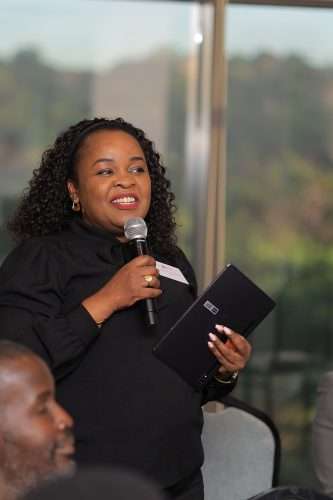
“There was an AI taskforce that recently became the butt of jokes on social media largely because too few technology leaders put themselves forward to participate. Yet there is now a new cyber security law on the way, and if the technology community does not come together and contribute meaningfully to these discussions, many of the same executives will later complain about regulations they had an opportunity to help shape,” one CIO stated.
Another CIO noted that technology leaders need to stop operating in silos and reposition themselves as integral parts of the business rather than merely ‘enablers’ of strategy. He argued that the word enabler often reduces technology teams to support functions that simply execute decisions made elsewhere, whereas modern CIOs should be actively shaping business direction, influencing growth, driving innovation and participating in strategic decision-making at the highest level.
“Whenever I hear that a CIO is reporting to a CFO, I do not believe that it is an organisation that takes technology seriously,’ one CIO said. “This is particularly tragic in Uganda given that the majority of our population is under the age of 25. They are tech-savvy people and therefore your business will not have a future if you treat technology as an ancillary item in your strategy rather than the main driver.”

Importance of community
On the importance of community itself, one IT leader remarked: “Sometimes you just need a room where people understand the weight of the role without needing an explanation.”
“This event has been the highlight of my year so far!” a CIO declared. “Thank you to the organisers for bringing this to Uganda and my sincere gratitude to the sponsors PwC for backing such an awesome initiative.”
That sentiment captured the mood of the evening.
As the community expands across the region, CITO East Africa is steadily building more than a calendar of events. It is creating an ecosystem of technology leaders connected by shared challenges, shared ambition, and increasingly, shared trust.
And if the energy in Kampala was anything to go by, Uganda’s CIO community is more than ready for it.
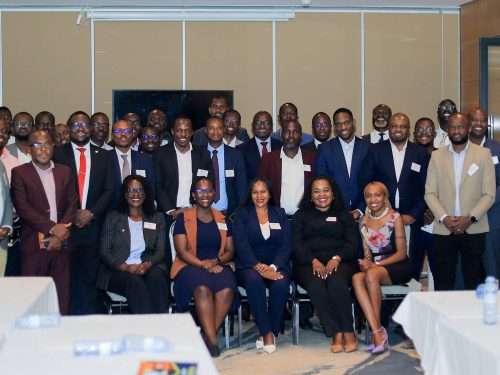
Those in attendance were:
Arnold Asasira, ICEA Lion
Brian Birungi, PwC
Brian Ssepanyi, Prudential Uganda
Christopher Ochan, Housing Finance Bank
Dan Okello, C-Care
Dani Bachour, Hariss International
David Muheirwe, Finca Uganda
David Nsubuga, Next Media
Dianah Tinkamanyire, EABL Uganda
Dishan Akatuhurra, Spouts International
Edgar Mugume, ABC Capital Bank
Ephraim Malinga, TotalEnergies
Eric Semakula, MTN Group
Geoffrey Andima, Old Mutual Uganda
Gerald Balitwawula, Nakasero Hospital
Haman Mugabo, Vivo Energy
Herbert Kalyango, Kampala Hospital
Ivas Kwikiriza, Tropical Bank Uganda
Joel Roerig, Executive Communities
Jonan Kisakye, Uganda Insurers Association
Juliet Kyomugisha Buseero, Ecobank
Karl Kiconco, Britam
KC Rottok Chesaina, Executive Communities
Laolu Akindele, PwC
Lilian Kamara, AAR Healthcare Uganda
Mark Innocent Ssempijja, Microhaem Scientifics
Martin Agaya, Financial Sector Deepening Uganda
Musa Musazi, dfcu Bank
Obed Ngabonziza, American Tower
Peter Muhumuza, Roke Telkom
Peter Njeru, CITO East Africa
Peter Mukuru, Uganda Development Bank
Philip Walera, ABSA
Richard Sajjabi, Liberty Insurance
Richard Ssenono, Infectious Diseases Institute
Rita Apell, Stanbic Bank
Robert Ssebakijje, Mulwana Group
Roland Lukyamuzi, Standard Chartered Bank
Ronald Kaggwa, The AIDS Support Organisation (TASO)
Solomon Ochen, Tropical Bank
Sandra Mulluka, CITO East Africa
Tadeo Kyeyune, Tugende
Thomas Motlepa, MTN Group
Timothy Emeru, MTN Group
Uthman Mayanja, PwC
Willis Ochola, KCB Bank Uganda