

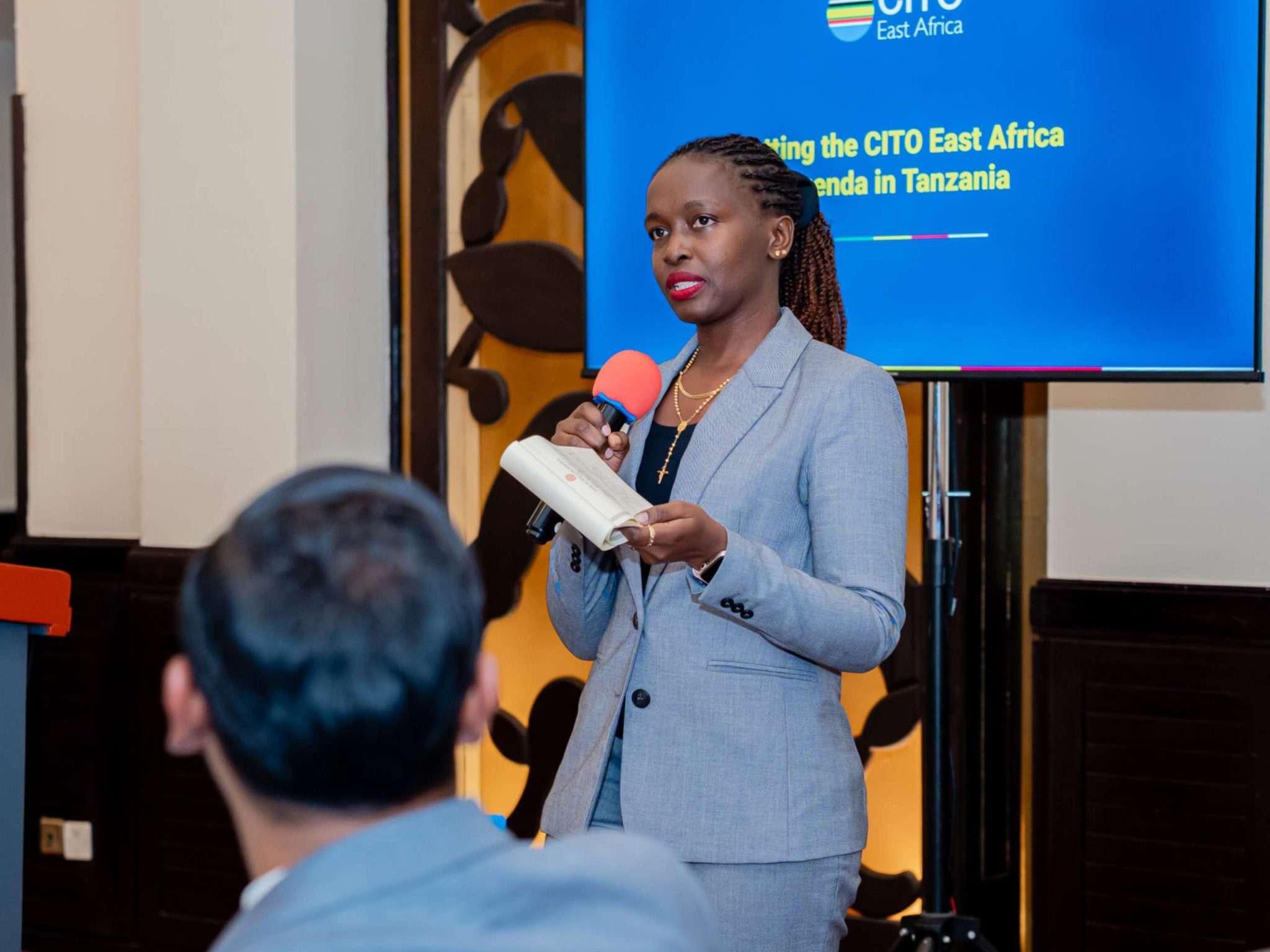
Over 35 CIOs and technology leaders from across Tanzania gathered on June 11 in Dar es Salaam to help shape the future of the country's technology leadership community. The inaugural CITO East Africa Tanzania Summit served as an agenda-setting forum, creating space for candid discussions on the priorities that will define the community in the months ahead.
For many of the CIOs, CTOs and IT executives gathered in Dar es Salaam for the launch of CITO East Africa's Tanzania community, the answers came quickly: cybersecurity threats, system failures, connectivity challenges and the growing pressure to deliver resilient digital services in an increasingly connected world.
Coming hot on the heels of successful launches in Kigali and Kampala, CITO East Africa invited Tanzanian CIO’s to shape the community's agenda by discussing the issues they believe deserve greater attention from technology leaders, policymakers and business executives alike.
The result was an honest and candid conversation about the realities of technology leadership in Tanzania today.
"This wasn't about launching another network," noted one attendee. "It was about building a community with the people who will lead it."

Cybersecurity is no longer just an IT issue
One of the strongest themes that emerged from the discussion was the growing realisation that cybersecurity can no longer be treated as an IT problem alone.
Participants reflected on the dreaded late-night call informing leaders that "there's a problem" or that a critical system has failed. When that call comes, they noted, the consequences extend far beyond technology teams.
Cybersecurity incidents affect operations, finances, customer trust and organisational reputation.
"It needs a holistic look. It's not a tech issue alone," one participant remarked.
The conversation highlighted the need for cybersecurity discussions to move from server rooms to boardrooms, with greater focus on budgets, employee training, skills development and executive accountability.
Several leaders questioned how organisations can elevate these conversations to the highest levels of decision-making rather than leaving them solely to IT departments.
There was also concern that many organisations do not fully disclose the extent of their cyber operations and vulnerabilities, making it more difficult for industries to learn from one another and build collective resilience.
The consensus was clear: cybersecurity must become a business conversation, not simply a technology conversation.

Connectivity as a national priority
The discussion also turned to the role of regulation and infrastructure in enabling better service delivery and digital inclusion.
Participants argued that internet access has evolved from a convenience into a necessity for businesses, public services and economic growth.
"The internet is not a luxury anymore but a necessity," one leader observed.
Internet service providers continue to face significant challenges, particularly recurring fibre cuts caused by road construction and infrastructure projects.
Participants called on policymakers and regulators to take a more proactive role in reducing costs and improving connectivity.
One proposal that resonated strongly was the creation of dedicated ICT corridors alongside major road projects, allowing multiple providers to utilise shared fibre infrastructure rather than each ISP building and maintaining separate networks.
Such an approach, participants noted, could reduce costs, improve network resilience and expand access to reliable internet services across the country.
The discussion reinforced the view that digital transformation depends not only on technology investments within organisations, but also on the broader infrastructure and policy environment that supports them.
Building a community around shared challenges
Beyond the topics , the summit highlighted the value of bringing technology leaders together to openly discuss the issues they face.
Many attendees noted that while they are often responsible for solving complex organisational challenges, opportunities to engage candidly with peers facing similar pressures are rare.
The conversations revealed common concerns across industries, from cybersecurity and infrastructure to talent development and the evolving role of technology leadership.
"The value isn't just hearing new ideas," said one attendee. "It's discovering that other people are facing the same challenges and finding ways to solve them together."
By the end of the evening, participants had done more than attend the launch of a new professional network. They had helped define its priorities.
"The agenda isn't being set somewhere else," one executive observed. "It's being set by the people in this room."
As CITO East Africa continues its expansion across the region, the Tanzania launch demonstrated the growing appetite for a trusted community where technology leaders can connect, collaborate and collectively shape the future of digital transformation in East Africa.

Those in attendance were:
Amiri Sultani Mziray, I&M Bank
Bhanu Partap, Amsons Group
Darwesh Maggid, DHL Tanzania
Dominic Dogani, Smartnology
Dr Innocent Augustino Nduhura, Evi Research International
Emmanuel Sebastian, Diageo/EABL Tanzania
Erick Mkinga, Liquid Intelligent Technologies
Erick Rwekaza, Ecobank Transnational Incorporated
Ellis Kahatano, Ecan International
Faustine Nyangira, PASS Trust
Gilbert Mutai, Car & General Kenya
Gloria Kimasa, NTT Data
Herman Mkamba, Smart Africa Group
Imani Ndelwa, Oryx Energies
Imani Mwanri, Reliance Insurance Company Tanzania
Ivan Mwaipaja, Standard Chartered Bank Tanzania
James Chotamawe, KPMG
Jerry Shuma, NBC Bank Tanzania
Justin Msengi, SF Group
Karim Maktauwa, Ipsos
KC Rottok Chesaina, CITO East Africa
Lusekelo Mwakyusa, Access Bank
Manny Gatahwa, GTBank Tanzania
Mukshin Murshid, Jubilee Insurance Tanzania
Musharaf Dhanji, Karibu World
Nelson Swai, Stanbic Bank Tanzania
Nickson John, SF Group
Peter Njeru, CITO East Africa
Raymond Machary, Ocean Road Hospital
Regina Malembeka, Citibank Tanzania
Sandra Mulluka, CITO East Africa
Siael Macha, Mwananchi