
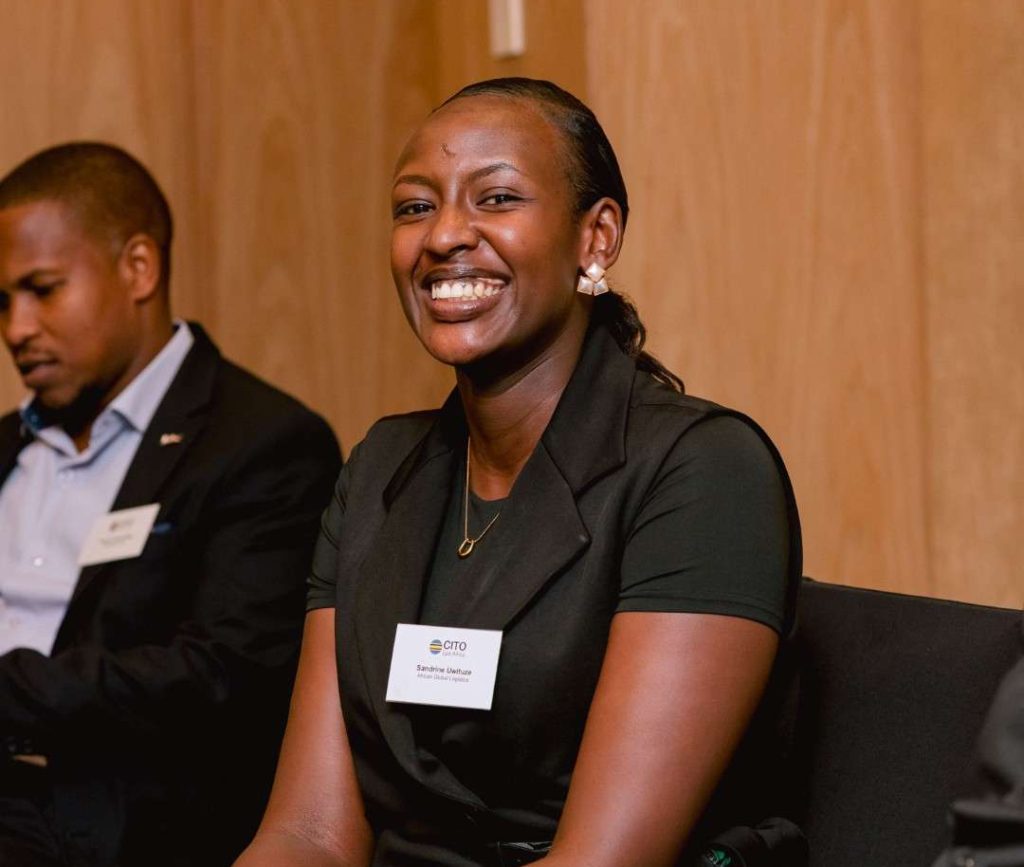
The evening of 16 April marked a defining moment for Rwanda’s technology leadership community, as an exclusive group of chief information officers and senior IT leaders gathered at the Kigali Marriott Hotel for the country’s first CITO East Africa Summit.
For the first time in Rwanda’s corporate landscape, close to 40 top company CIOs convened in a setting designed not around presentations or product demonstrations, but around candid, peer-level conversation. The focus was deliberate: setting the agenda for Rwanda’s CIO community.
The dinner forms part of the regional expansion of Executive Communities, whose mandate is singular—to build independent platforms where sitting executives can engage frankly on leadership, risk and value creation.
Following closely on the momentum of the Nairobi Summit and the launch of the East Africa community in December, the Kigali gathering signals a clear shift from introduction to activation.
The mood was intentional and reflective. These were leaders responsible for systems that underpin entire organisations: custodians of uptime, security, transformation and increasingly, enterprise-wide strategy. Yet for many, this was the first time they had engaged in a forum built exclusively around the realities of the CIO role.
Until now, interactions among Rwanda’s IT leaders have largely been informal, fragmented or vendor-driven. What has been missing is structure, continuity and a trusted environment for open exchange.
That gap is precisely what CITO East Africa is seeking to address across the region.
Setting the tone
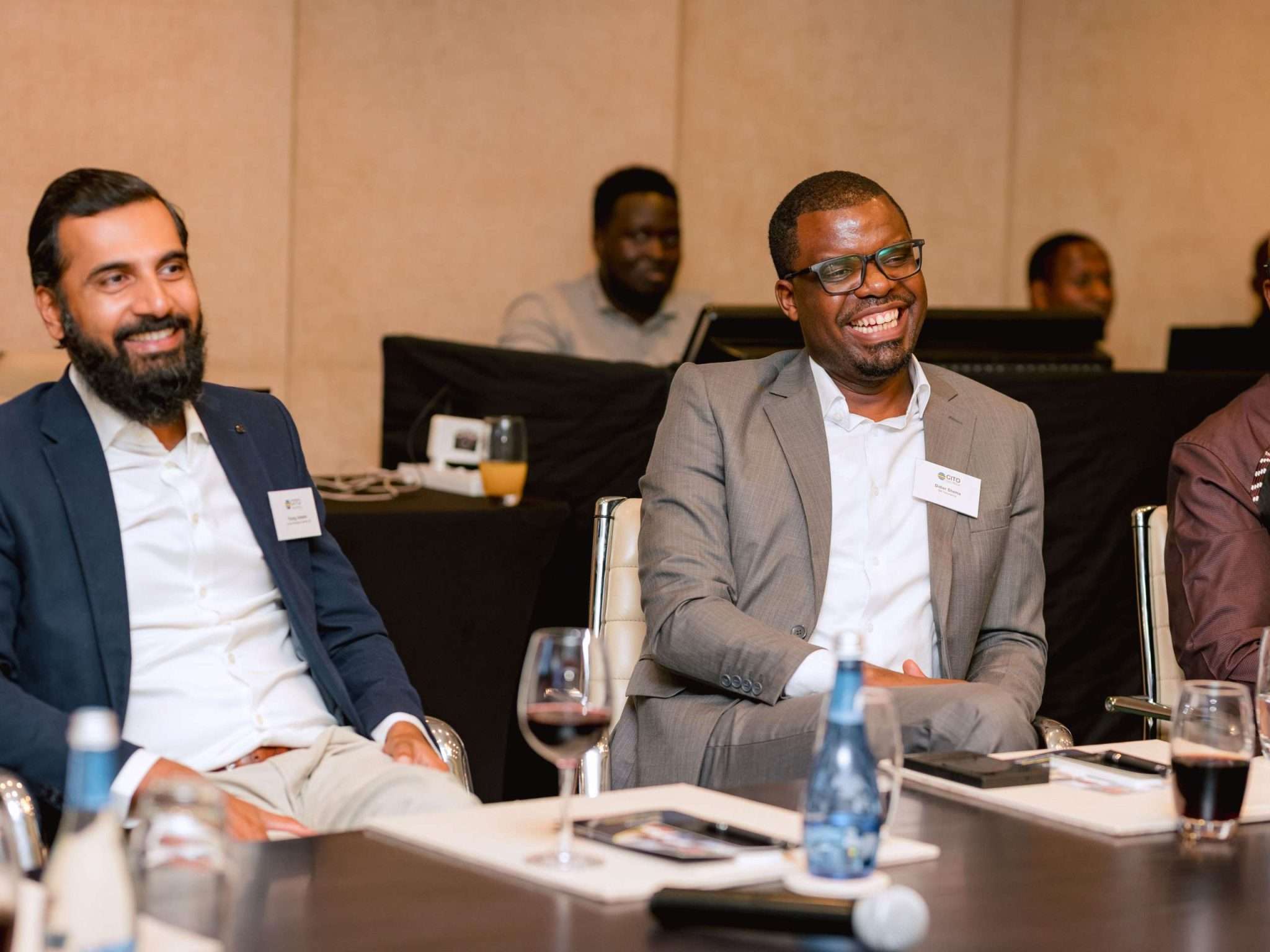
“We are not here to sell to each other,” Sandra Mulluka, the CITO East Africa community manager, noted in setting the tone for the evening. “We are here because the role demands a space where CIOs can think out loud, without posturing, and without pressure.”
The conversation quickly moved beyond introductions into the substance of the role itself.
One of the central themes that emerged was the evolving mandate of the CIO. No longer confined to infrastructure and support, today’s CIO is increasingly expected to operate as a strategic partner to the business.
“Technology is no longer a support function, it is the business,” one participant noted. “If the CIO is not part of shaping strategy, then strategy itself is incomplete.”
Others pointed to the growing weight of accountability. As organisations digitise, the risks associated with system failure, cyber threats and data integrity sit squarely within the CIO’s domain.
“When systems go down, the business stops,” one executive remarked. “The visibility of the role has changed – and so has the pressure. Unfortunately, many of our businesses view IT as a cost centre which then makes them want to limit budgets. The key thing for us is to demonstrate the monetary consequences of not investing in technology.”
Adoption must move beyond experimentation
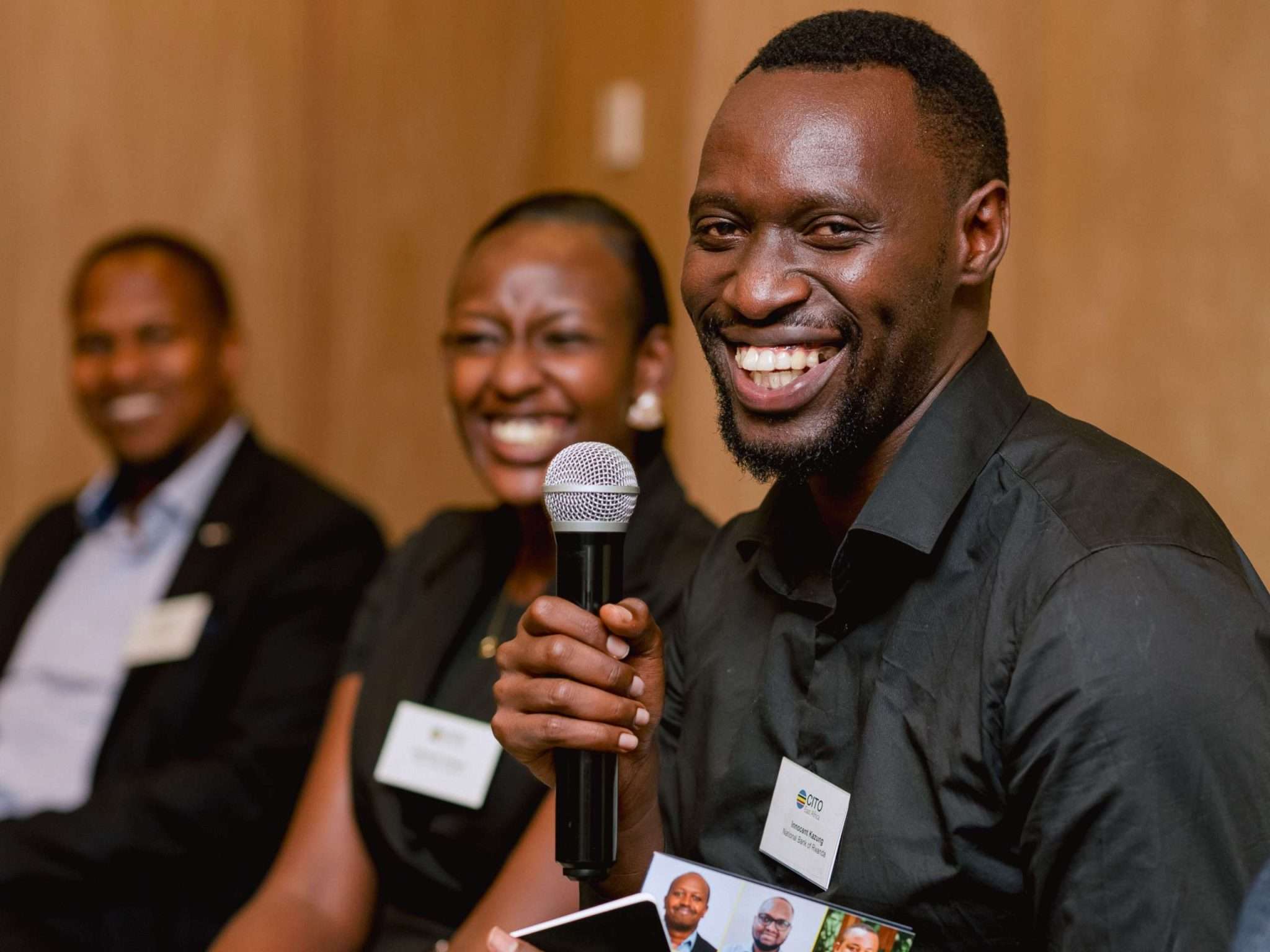
Artificial intelligence and digital transformation surfaced as both opportunity and urgency. While many organisations are exploring AI, there was consensus that adoption must move beyond experimentation.
“If we are still talking about pilots in two years, we will have missed the point,” one CIO said. “AI is not an innovation theatre, it is a competitiveness issue.”
At the same time, several leaders cautioned that technology alone is not the differentiator.
“Tools are available to everyone,” a participant observed. “Execution, governance and talent, that is where the real gap is.”
The discussion also touched on organisational dynamics. In many institutions, the CIO is increasingly positioned at the intersection of multiple functions—working closely with finance, operations and risk.
“You sit at the centre of it all,” one executive said. “You see the dependencies, the inefficiencies, the opportunities. The question is whether organisations are structured to act on that insight.”
Another executive observed that lack of relevant skills is an impediment to successful digital transformation.
‘While our infrastructure and government policies have laid a world-class foundation, the primary bottleneck to scaling our digital economy remains the 'experience gap',he said. “We have plenty of enthusiastic graduates, but we lack the seasoned, senior-level architects and cybersecurity specialists needed to lead complex, enterprise-level digital transformations."
Ease of doing business
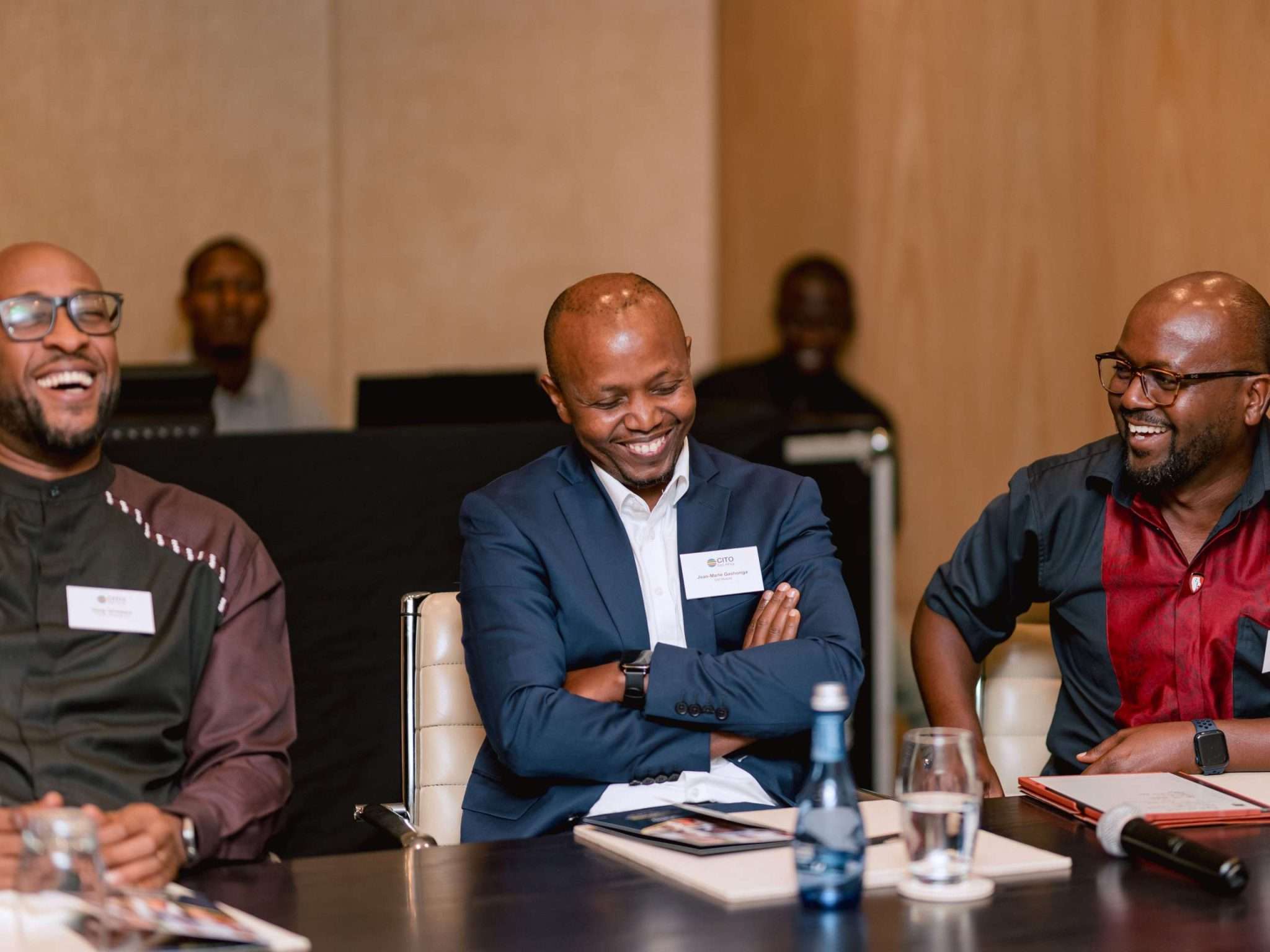
Other CIOs disagreed, reminding the group that Rwanda is a remarkably young nation still in its developmental infancy, yet it has already outpaced many established economies in the Ease of Doing Business rankings. They argued that the focus should not remain solely on the current headcount of experts, but rather on the fact that the country has built the most efficient regulatory environment in the region. This agility, they contended, allows Rwanda to iterate and build a tech-savvy workforce at a speed that older, more bureaucratic nations simply cannot match.
The CIOs did however agree on the challenge of working with Gen Z employees, noting that this generation's firm demands for high entry-level salaries and permanent work-from-home arrangements often clash with the operational realities of the Rwandan market.
Underlying the conversation was a shared recognition: the role of the CIO in Rwanda is expanding faster than the platforms available to support it.
By the close of the evening, there was clear alignment on the need for continuity. Regular engagements, deeper thematic discussions and the inclusion of emerging technology leaders were all raised as priorities.
“What we are building here matters,” one participant reflected. “If we want stronger organisations, we need stronger technology leadership, and that requires community.”
The event was supported by the community principal partner, PwC who were represented by Assurance Partner Brian Ngunjiri.
“At PwC, we work alongside technology leaders to not only modernise IT systems, but to embed resilience, strengthen governance, and unlock data-driven decision-making. Our integrated approach—spanning technology consulting, risk management, and transformation—ensures that CIOs are equipped to drive innovation while maintaining control in an increasingly complex environment,” Brian said.
The Kigali dinner may have been the first of its kind, but it was unmistakably not an endpoint. The CIOs present signed a plaque to commemorate the historic occasion and support the establishment of a first CIO community in Rwanda.
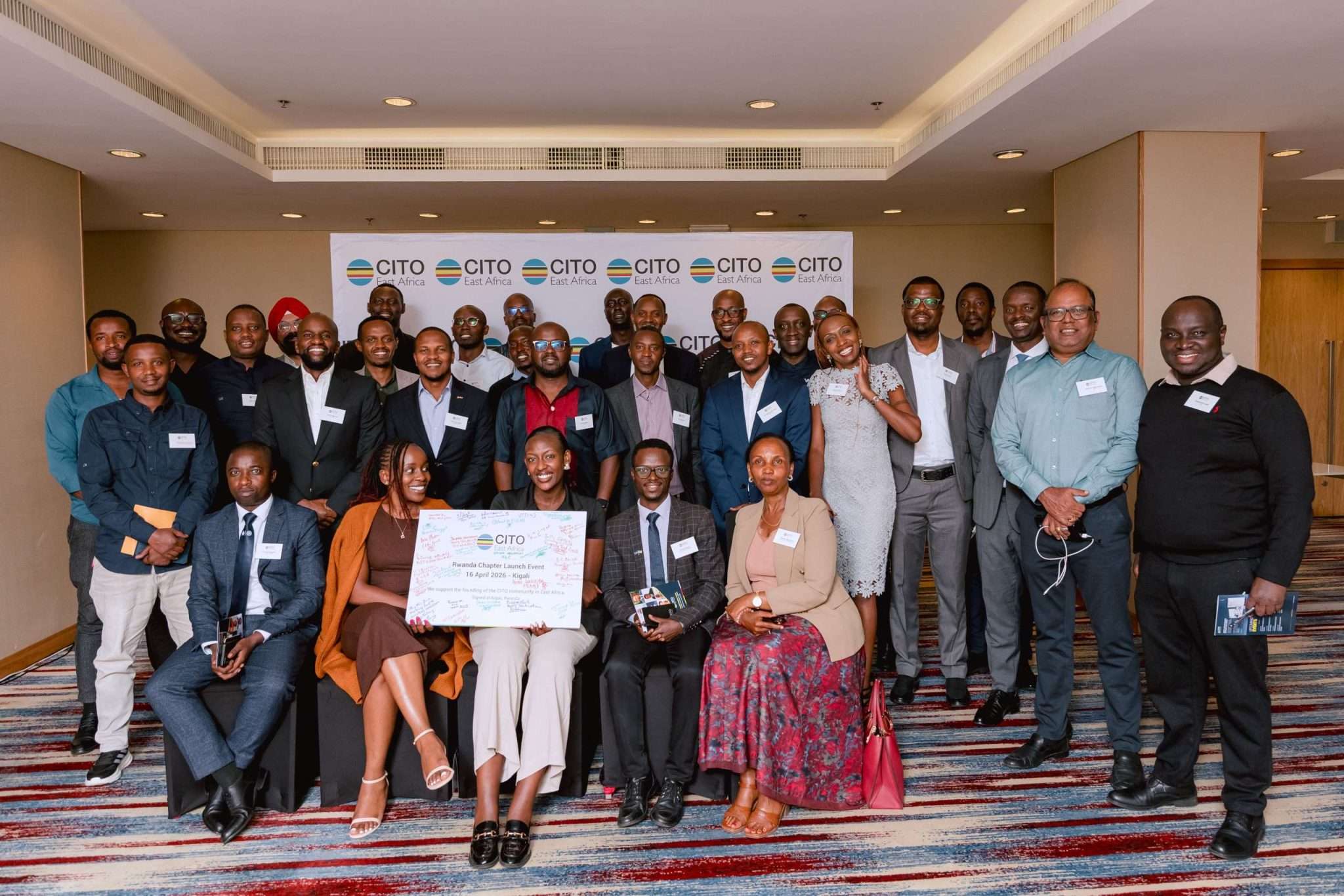
Those in attendance were:
Aimable Nshimiye, Marriott Hotel
Billy Gatete, Rwanda Red Cross
Brian Ngunjiri, PwC
Brice Mutoni, Eden Care Medical
Charles Rugema, Sanlam Allianz
Clement Muhire, UGHE
David Kariuki, Mount Kigali University
Didier Shema, BK Insurance
Fabrice Ntare, MTN
Fumnanya Okeleke-Kooper, Ampersand
Innocent Kazungu, National Bank of Rwanda
Javan Uwizeye, MUA Insurance Rwanda
Jawahar Manickam, I&M
Jean de Dieu Rwamasunzu, Mulindi Factory Company Ltd
Jean-Marie Gashonga, Old Mutual
John Njoroge, GardaWorld
Jonathan Kayinamura, Netis Rwanda Ltd
JP Singh, Tres Infrastructure
KC Rottok Chesaina, Executive Communities
Kevin Karumba, Radisson Blu
Maureen Komu, PwC
Olivier Kalisa, Bella Flowers
Parag Adsare, Cheza Rwanda Games Ltd
Patrick Ntwali, I&M Bank
Peter Njeru, Executive Communities
Prime Karinda, Rwanda Development Board
Regina Mukasano, Africa New Life Ministries
Salomon Beza, Africa School of Governance
Sandra Mulluka, Executive Communities
Sandrine Uwituze, African Global Logistics
Vlady Terimbere, Crystal Ventures Ltd
Yves Bonheur Mugisha, ADEPR Church/UBF
Zephaniah Lagat, PwC