
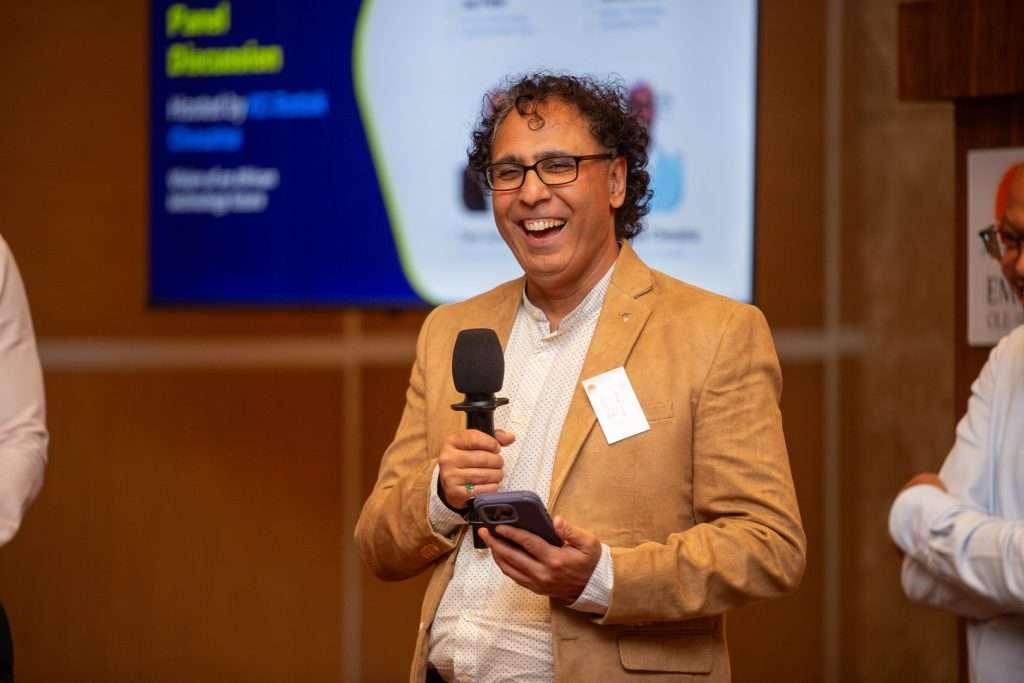
East Africa’s top IT leaders came together at Emara Ole Sereni in Nairobi for the launch of CITO East Africa, sharing insights on technology leadership, innovation and shaping the region’s digital future
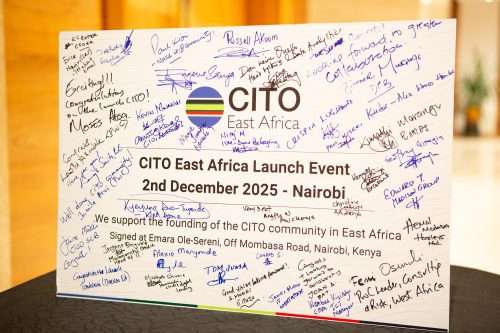
The launch of CITO East Africa (CITO EA) marked a new chapter in the region’s tech and IT landscape. On 2 December 2025, key players from East Africa’s information technology sector gathered for a landmark event that brought together thought leaders, technologists and innovators to discuss the future of technology in the region.
This historic gathering was designed to foster collaboration, exchange ideas and drive digital transformation in East Africa. The event was a huge success, attracting over 70 IT execs from the tech industry, including CIOs, CTOs and tech entrepreneurs.
The event kicked off with welcome remarks from CITO EA community manager Sandra Mulluka, who explained that the community exists to connect people behind the technology; the ones driving transformation, solving complex problems and shaping how businesses and societies work.
“Our goal is for CITO East Africa to become a trusted network where ideas move freely, partnerships are born and friendships grow.”
The CITO East Africa launch gained momentum with a lively panel featuring three of the region’s top tech leaders: Moses Okundi, CITO at Absa Bank Kenya; Faith Nkatha Gitonga, interim country director at the Tony Blair Institute for Global Change and Russell Akuom, CIO at Nation Media Group.

The power of local innovation
The discussion, titled Homeground advantage – CITOs driving growth through local innovation, explored the realities of leading tech in a fast-changing landscape, with panelists sharing key lessons from their careers and highlighting the power of local innovation to drive growth in East Africa.
Moses opened the discussion with an honest account of navigating one of the most demanding careers in business. He noted that while tech leadership comes with relentless pressure, it also brings unmatched impact.
After two decades in the field, he captured the paradox plainly. “What I’ve found with a technology career is that it’s hard, there’s nothing easy about it, but it’s also very rewarding in terms of experiences, connections and being able to enable people’s lives in different ways,” he said.
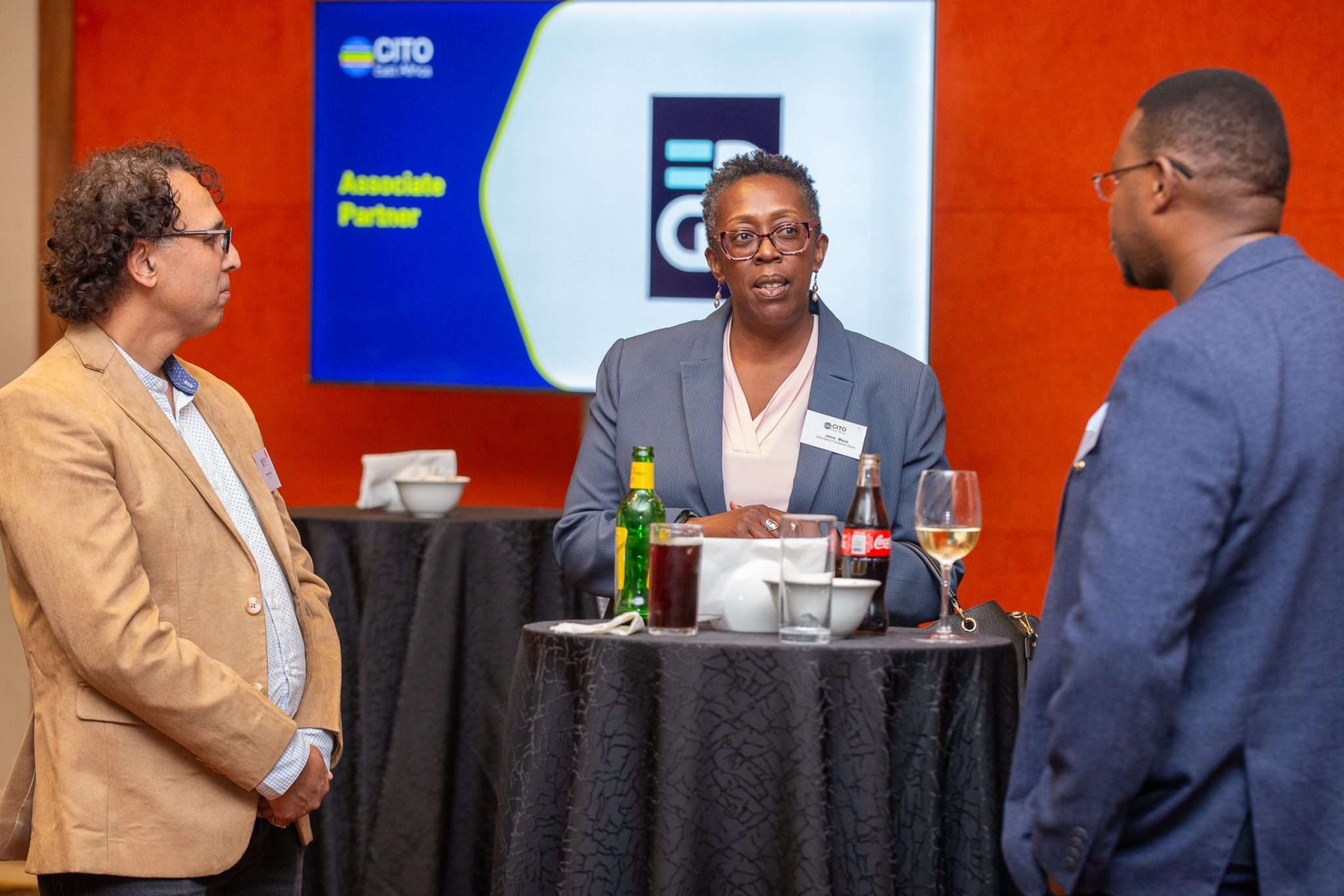
His reflection set the tone for a conversation that examined both the weight and the privilege of shaping technology strategy at enterprise scale. Moses also shared how he maintains balance away from the intensity of the workplace, noting with understated humour that he finds calm through kickboxing and the occasional chaotic cooking session.
“Often I just need to disconnect and do other things,” he said. “Those disasters in the kitchen are moments of creativity and innovation.”
Faith brought a distinctly policy-driven lens to the panel, speaking from her regional experience advising presidencies and governments on digital transformation. She underscored the need for African-led approaches to technology adoption, highlighting that influence in global conversations begins with intentionality at home.
Meaningful change
“We work with presidencies across countries, advising on strategy, policy and delivery,” she said. “If Africa is to have a voice in the AI revolution, then we have to get serious right now.”
She emphasised that homegrown solutions must reflect the realities of communities they aim to serve, noting that meaningful change starts with understanding where people are.
“If we figure out where women are and build technology with that in mind, it becomes easier to reach them. The intentionality is in the small things and also in the big ones,” Faith said.
Russell rounded off the session with a blend of technical pragmatism and candid humour drawn from his career across multiple markets. Although he has spent years modernising enterprise systems, he joked that at home, his expertise is interpreted quite differently.
“My son still believes I fix Wi-Fi for a living,” he said, drawing laughter across the room. It was a reminder that the role of a CIO often bridges two worlds, the highly complex and the deeply ordinary at the same time.
He went on to describe the transformation underway at Nation Media Group, where he is steering the organisation from its print legacy into a digital-first future.
“I’m trying to turn Nation Media Group from a heavily print company into a content-driven company across digital touchpoints, and I’m enjoying what I do,” he said.
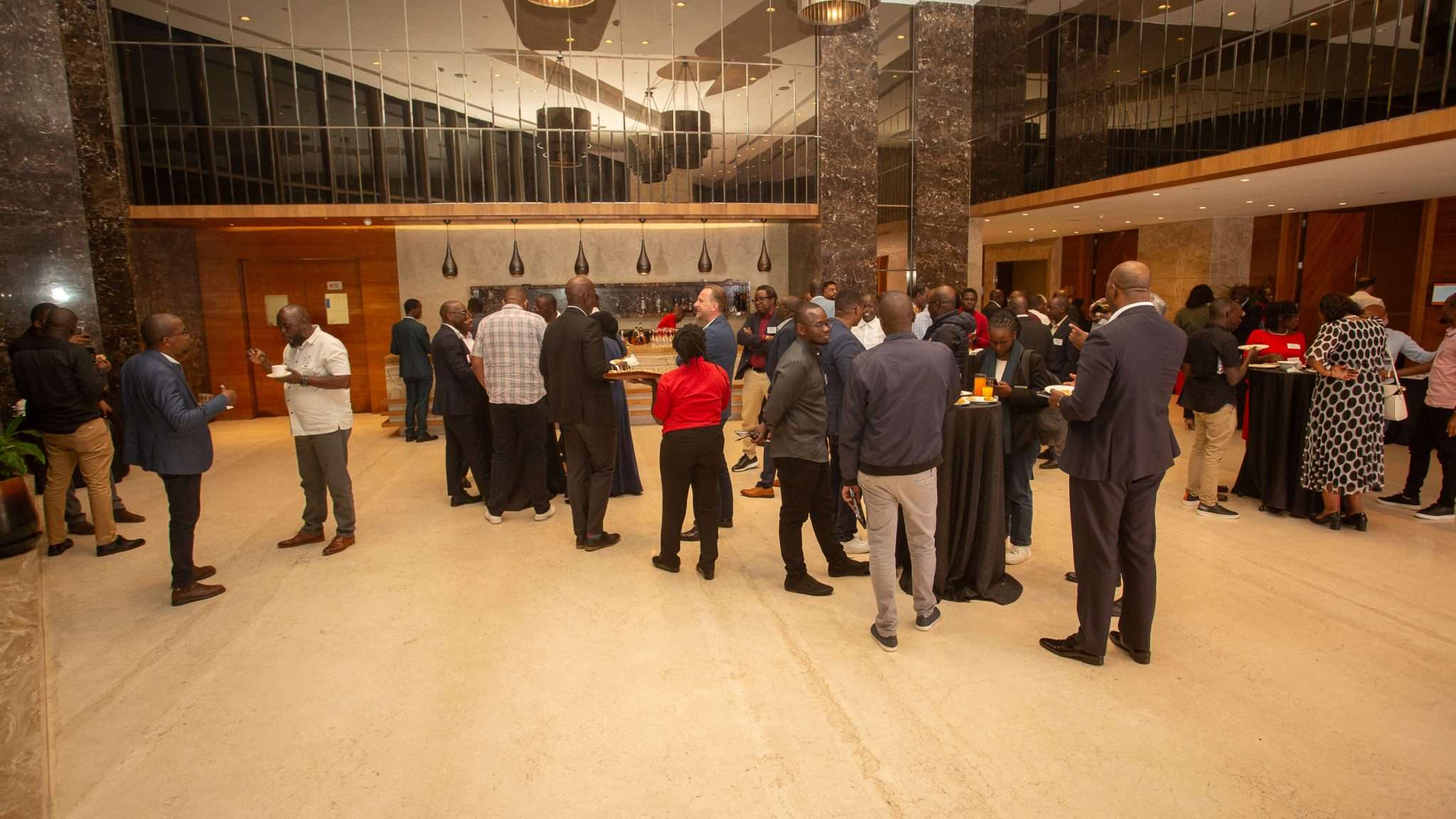
But Russell’s most compelling point came as he reflected on the importance of grounding technology investments in customer realities.
Trusted advisers
“One key lesson I took is that we need to be deliberate in designing products for customers where they are,” he noted. “Sometimes we adopt technology without understanding the underlying issues our customers face.”
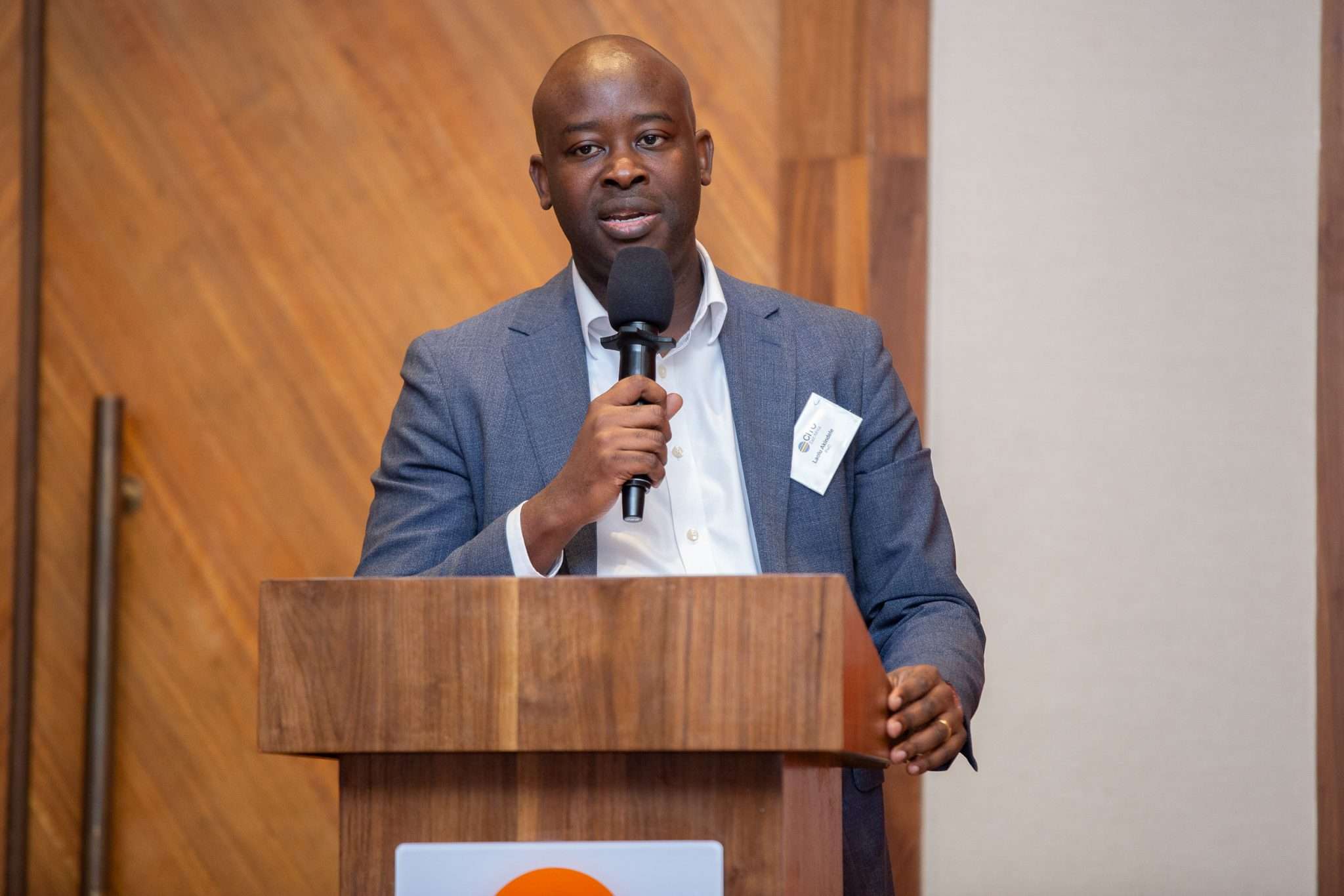
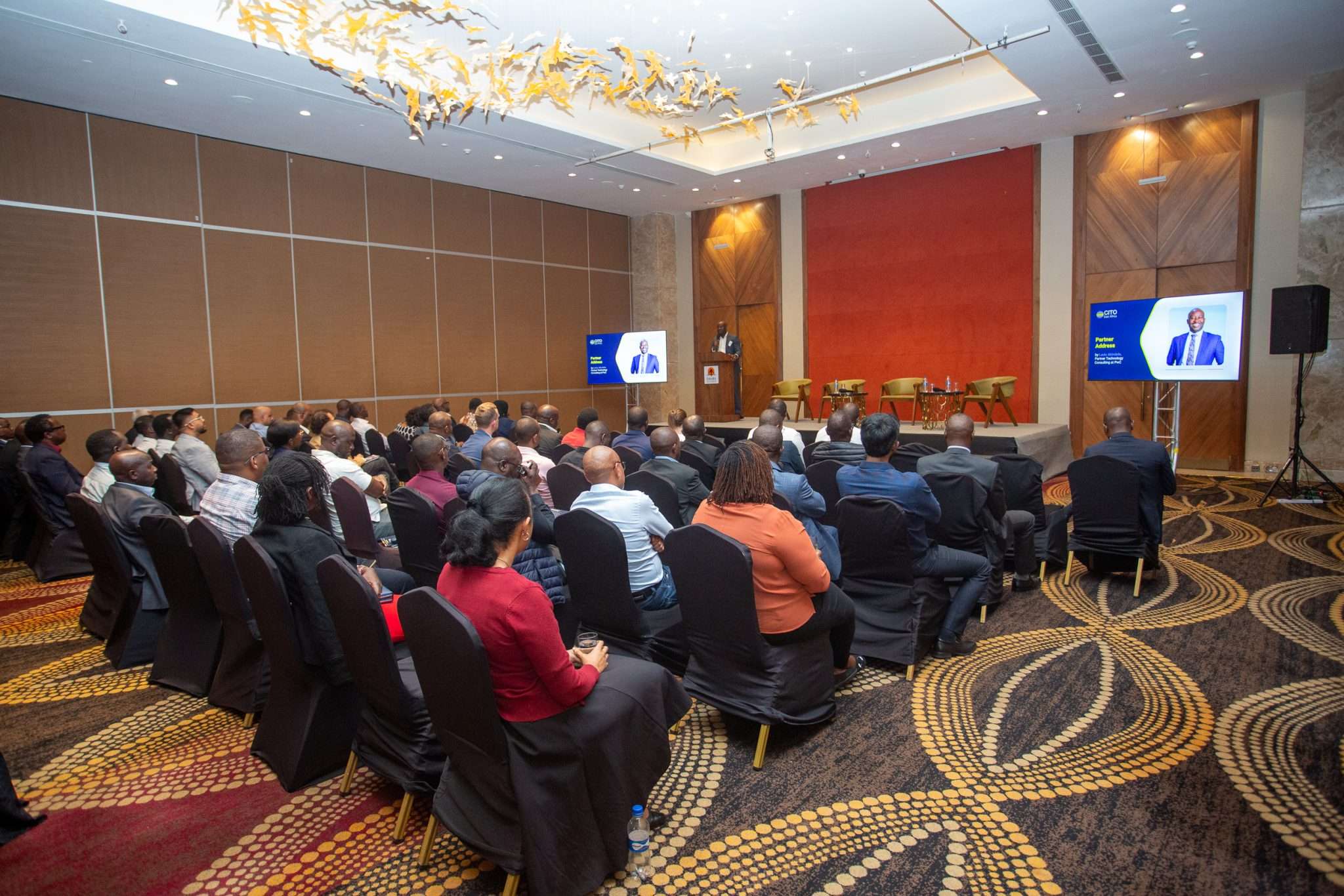
Following the panel discussion, Laolu Akindele, Partner – technology consulting at PwC, addressed the execs on the evolving role of technology leadership in Africa.
“Your roles changed significantly. You are no longer the guardians of systems or servers; you are now trusted advisers. You are expected to provide strategic insights, you are expected to drive innovation within your organisations,” he said, highlighting the shift from operational to strategic leadership.
Reflecting on rapid technological change, he noted: “Blockchain, AI, cloud matters, 6G is coming, quantum computing, every month there’s something new that you’ve got to figure out. While your CEOs see shiny buzzwords, you’re thinking about legacy systems, integration and budgets.”
One of the standout moments of the launch was the set of interactive sessions led by Isaac Mwangi, group head of ICT at Unga; Manav Mengi, group head of systems development at DTB Group; Julius Orayo, group CIO at Jubilee Holdings and Kibe Kamau, IT director Africa at Gardaworld.
Together, they guided technology leaders in shaping the community’s agenda.
The need for African-led research
Cybersecurity topped the list of priorities, especially the risks tied to people. As one IT executive put it, “The weakest link is always the human element, so the question is how we protect our businesses and strengthen that gap.”
AI dominated several discussions, with leaders acknowledging the pressure to implement without the foundations in place.
“Executives hear about AI somewhere, then come back and say ‘implement’. How do we deal with that?” one tech leader asked.
The sessions also emphasised leadership development, regional collaboration and the need for African-led research. As one executive noted, “Most research is happening outside Africa. We need research in East Africa that gives us our own insights.”
Above all, the CIOs called for trust within the community. One executive captured the mood perfectly: “We need a safe space where any of us can dial in and say, my friends, I need help.”
The discussions closed with a shared commitment to building a strong, connected and influential CITO East Africa community.
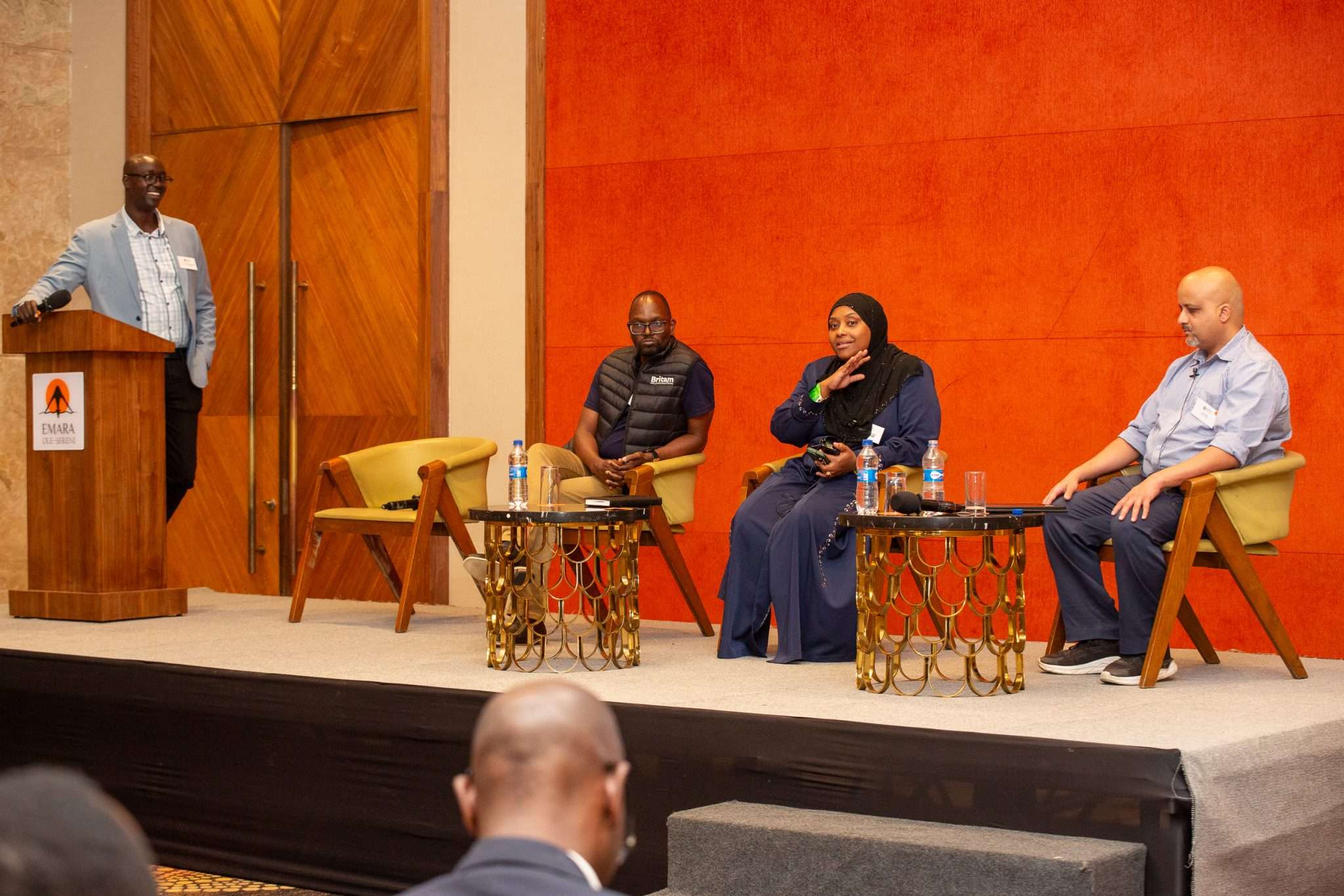
The second panel discussion at the CITO East Africa launch explored the “Vision of an African technology future,” featuring Jamila Aroi, Partner – technology consulting at PwC; Tom Juma, group CIO at Britam Kenya; and Jay Patel, director of technology at Jacaranda Health.
Homegrown tech talent
KC Rottok Chesaina, CITO East Africa co-founder, moderated the session, guiding conversations around the opportunities and challenges shaping tech in the region.
Jamila opened with reflections on Africa’s growing technological base, noting the surge of innovation and skills among a young, digitally literate population.
“From where I sit, we are already at a good place as Africa, it’s more about encouraging the innovation that is already going around,” she said, highlighting the role of adaptability and homegrown solutions.
Tom shared lessons from leading technology across seven countries, underlining the importance of understanding the business behind the systems. He reflected on harnessing youthful tech talent:
“Africa, if you look at the population, 70 percent is youth, and they are digitally ready. As leaders, we must listen, mentor and give them meaningful work.” He emphasised that bridging the gap between technology and business language is critical to driving change.

Jay illustrated the impact of technology in healthcare, recounting the story of Millicent, a rural mother whose early warning signs during pregnancy were flagged through Jacaranda Health’s SMS-based platform.
“Systems are architected to push power and information out to the edge and not hoard it at the centre,” he explained, describing how AI helps detect urgent health needs and ensures care reaches those who need it most. He also highlighted the potential of East Africa’s homegrown tech talent, saying, “We built all this in house in Kenya, there’s enough information and a lot of energy and drive, you don’t need to import talent.”
The panel concluded with a call for regional collaboration and supportive governance. Jamila urged governments to create cross-border hubs, enhance infrastructure, and implement regulations that encourage innovation. Jay added a cautionary note about technology adoption: “There are risks with AI, but what about the risk of not using AI? Put safeguards in place, but get something out and learn from it quickly.”
This event was made possible by Principal Partner PwC Kenya and Associate Partner Edge Analytics.