

More than 50 chief information officers gathered in Nairobi for the CITO East Africa Future-Ready CITO Summit at Villa Rosa Kempinski on 12 March 2026. The event created space for candid discussions about artificial intelligence, data and the realities of digital transformation. CIOs arrived eager to exchange experiences and learn from one another.
The first 35 executives through the doors received signed copies of African Artificial Intelligence by Dr Mark Nasila, setting the tone for a day focused on practical conversations around emerging technology.
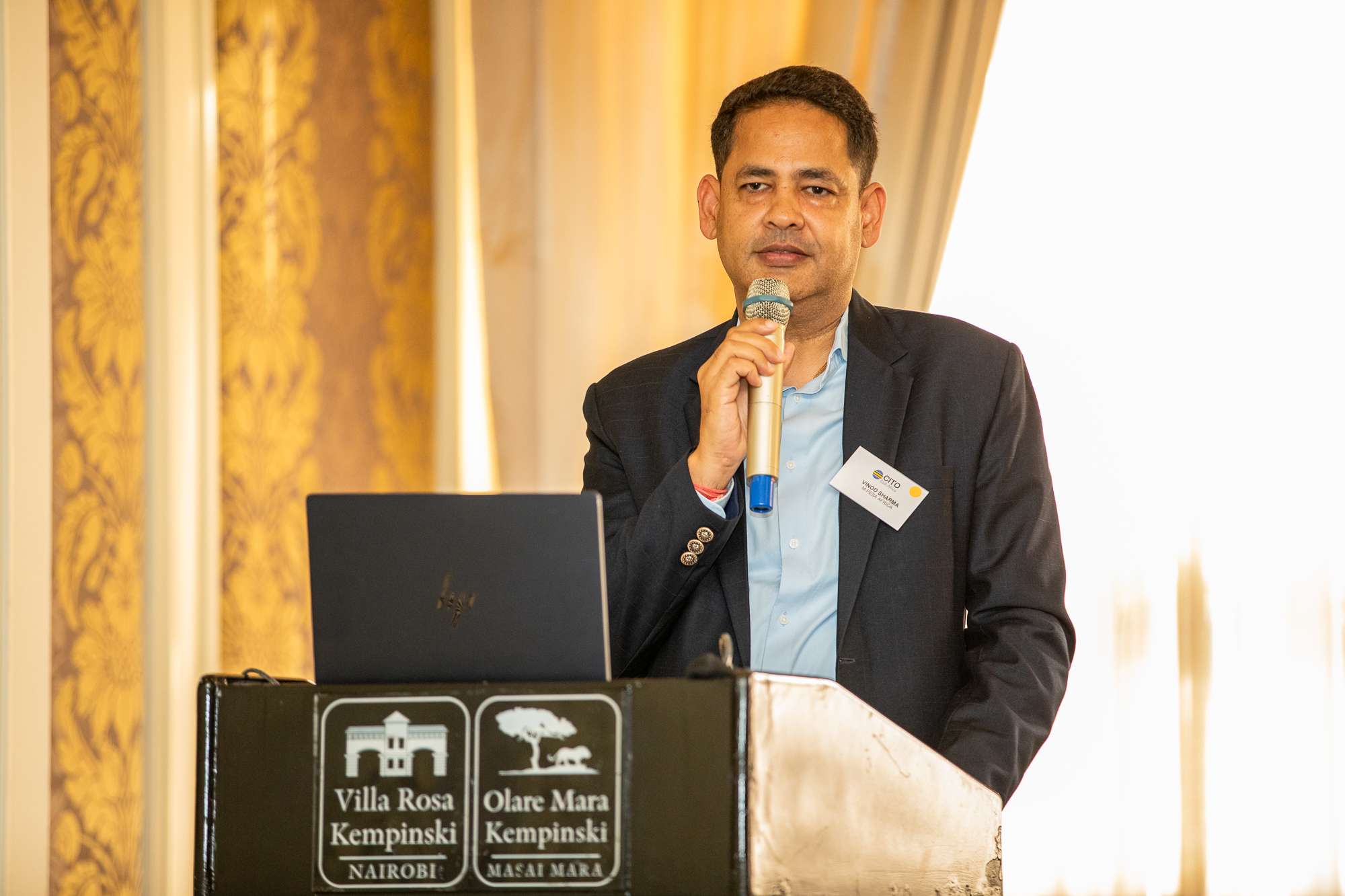
“For me, it's never about technology. It is about people, beautiful, talented people. You can replace a platform from one provider to another provider, but if you do not have the right kind of people with the right mindset who can drive the business forward, this will not help,” said Vinod Sharma, chief technology officer at M-Pesa Africa, who opened the summit with the keynote address.
Vinod also cautioned CIOs against viewing artificial intelligence as a sudden technological revolution, describing it instead as part of a longer cycle of innovation in financial services. He encouraged leaders to focus on solving real customer problems rather than chasing new technologies.
“Find a reason why your product should be used by consumers. These technologies, AI agents, are changing the world and will continue evolving. If we are not evolving, then we need to be ready to be phased out,” he said.
From government scholarships to hospital wards
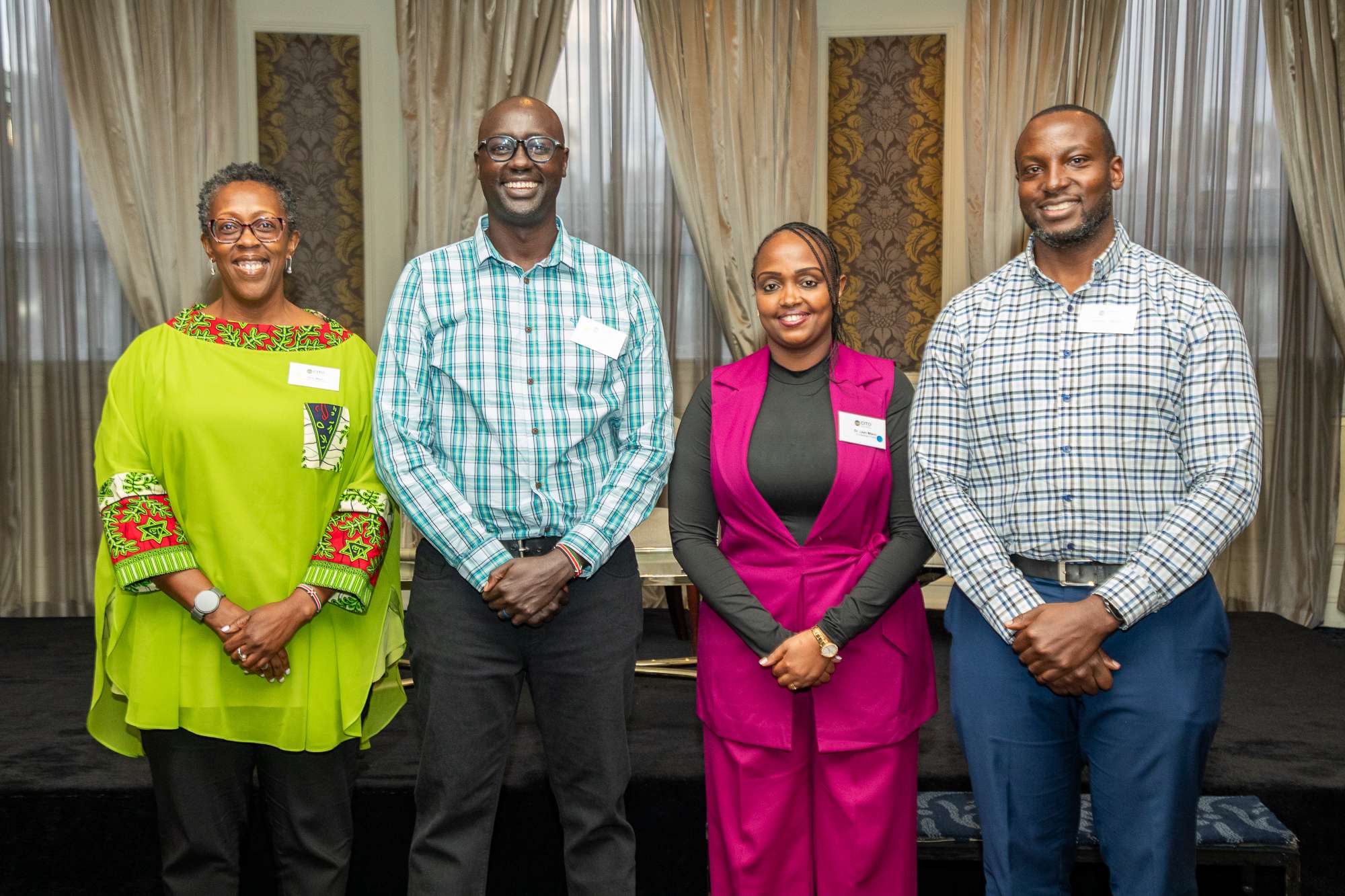
Following the keynote, the discussion shifted to the role of technology leaders during a panel session titled ‘Becoming a future-ready CIO’. Jaine Mwai, chief technology and operations officer at Standard Chartered, was joined by Dr Leah Miano, head of information communication and technology at the Universities Fund and Geoffrey Gitagia, CIO at Avenue Healthcare.
"At the Universities Fund, we support 800,000 students a year. We push scholarships of a value of KSh 40 billion every year,” Leah said, outlining the scale of the government programme that funds higher education across the country.
Leah explained that the fund integrates with multiple government institutions to verify the information provided by applicants and determine the level of financial need.
“So, if you say you're an orphan, for example, there are validators, the registration of births and deaths. We integrate with these various institutions to verify that we need to categorise you in a certain level to determine your level of need,” she said.
Artificial intelligence offers possibilities for predictive analysis, but Leah noted that the first challenge facing many public institutions is the quality and structure of their data.
“We were excited about predictive analytics. But when it gets to where the rubber meets the road, you realise that the data is so fragmented in government institutions. So, the question is whether you are going to start predicting or getting your data standardised first,” she said.
Working across multiple public agencies requires coordination beyond a single institution. Leah said that integration remains complex, though collaboration has improved over time.
“This is the third year of giving government scholarships, and over time it has become better working with institutions that are outside your control. The good thing is that when a directive is given, people get on board,” she said.
Geoffrey Gitagia, CIO at Avenue Healthcare, described how artificial intelligence is being used to support clinicians by reducing the administrative work that follows patient consultations.
“Clinicians really do not like documentation as much as it’s something they are trained to do. The training is you listen to the patient, you empathise, and at the same time you're processing what could be the likely diagnosis. Then after the whole session you have to sit down on the machine and start retyping everything you've just heard,” he said.
Avenue Healthcare has been piloting AI transcription tools that record conversations between doctors and patients and convert them into structured clinical notes. Geoffrey described the system as a form of assistance rather than a replacement for medical judgement.
“What it does is help the doctor put the different conversations in the different boxes. It's not an interrogation. It's a natural conversation where the patient can express themselves,” he said.
The organisation has also experimented with computer vision technologies in intensive care units to help nurses monitor patients more efficiently.
“We started two years ago with computer vision helping the ICU nurses monitor the patient. Something that used to take an hour between shifts now is just inspecting because everything is recorded in the system,” he said.
Innovation within a regulated environment
For Jaine Mwai, becoming a future-ready CIO in banking involves navigating innovation within a tightly regulated environment.
“The bank has had an AI journey over the last couple of years. We started with the basic things like optical reading and those kinds of technologies, and now we're getting into more advanced capabilities,” she said.
One recent initiative involved launching an internal generative AI platform designed to help employees summarise documents and handle routine tasks more efficiently. The Kenyan operation required regulatory approval before the system could be introduced locally.
“One of the things we launched recently in Kenya is a GPT that is Standard Chartered Bank centric. It was launched at group level, but we had to get approvals from the Central Bank before rolling it out locally,” she said.
Moving applications to cloud environments requires detailed documentation of safeguards and controls.
“You cannot just put anything in the cloud without approval. For every application you take to the cloud, you have to submit the application, explain the guardrails and answer questions,” she said.
Despite these constraints, Jaine said it is easy for CIOs to become absorbed in the technology itself rather than the problems it is meant to solve.
“As techies, we get excited about shiny new things. You want the latest AI, but what is it solving? You have to work with the people and understand what they need,” she said.
Solving real problems at scale
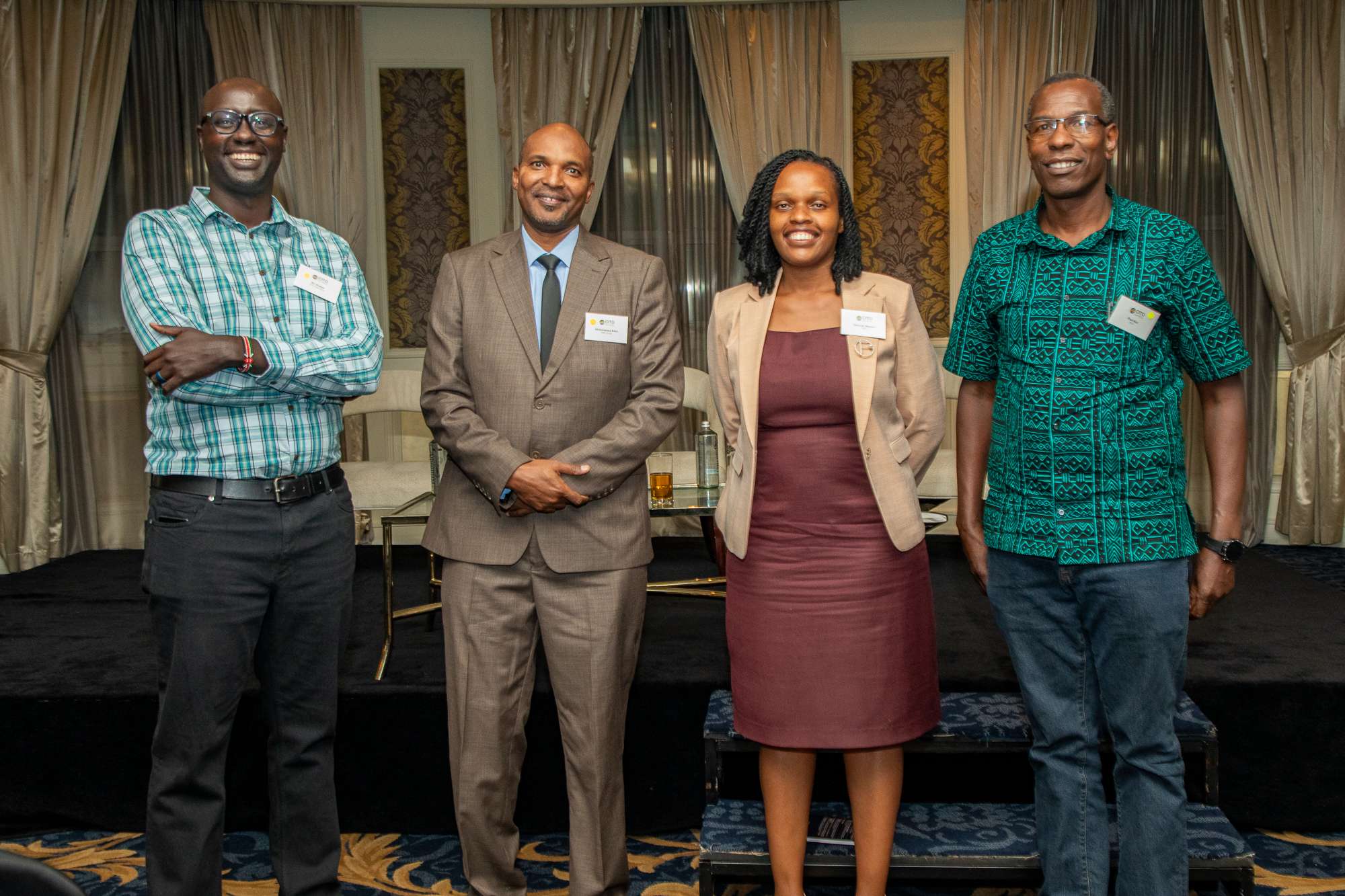
After the main panel, executives moved into smaller breakout discussions focused on artificial intelligence and digital transformation across different sectors. Sessions were led by Dr Mwirigi Kiula from St Paul's University, Deborah Ngina Mutungi CIO Sarova Hotels, Francis Ngari CIO Naivas, Paul Kioi head, technology & transformation ICEA LION, Abdulrazaaq Adan group head of ICT Hass Group and Deborah Masara acting head of technology & operations Kenya Mortgage Refinance Company (KMRC).
“It's not just about technology. It is technology that facilitates business transformation and is also customer centric,” said Deborah Masara, “At KMRC, technology has been embedded directly into our strategic framework, shaping how we approach digital transformation. We will all agree that now and in the future technology will play a critical role in achieving our strategies in various institutions.”
She added that digital transformation must consider the needs of internal teams as well as external customers.
“We also cannot ignore our internal customers. Operational efficiency is also critical because internal customers are key stakeholders who must be satisfied in terms of digitisation,” she added.
Paul Kioi, head of technology and transformation at ICEA LION, said digital transformation initiatives extend beyond technology to include customer experience, operational processes and product design.
“We are not just talking about technology. We are talking about customer experience, data-driven decisions, process efficiency and reimagining our products to the customer,” he said, “Many CIOs feel transformation is not happening fast enough as competition intensifies and margins come under pressure.”
Abdulrazaaq Adan, group head of ICT at Hass Group, described how digital tools are helping manage fuel distribution across the company's network of petrol stations in East Africa.
“Digital transformation is about innovation. It's about solving problems, meeting your customer needs, bringing down costs and improving efficiency,” he said. One example involves automating fuel dispensing data so that transactions are captured automatically when attendants operate the pumps.
“When an attendant lifts the pump nozzle and dispenses fuel, we want that information automatically sent to our systems without the need for someone to record it,” he added.
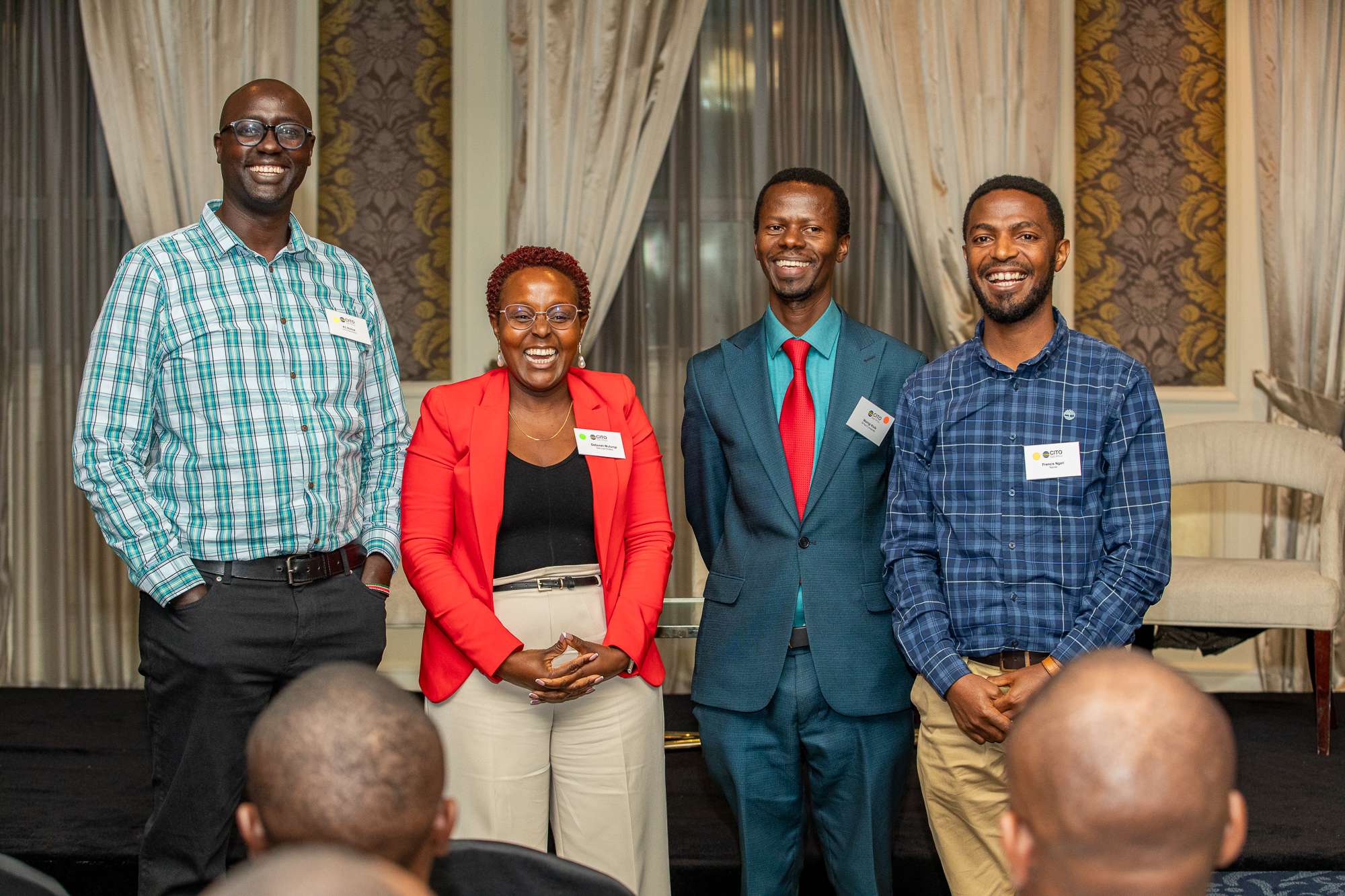
In hospitality, Deborah Ngina Mutungi explained how Sarova Hotels has used artificial intelligence to consolidate guest feedback from multiple online platforms and respond more quickly to customer concerns.
“One of the use cases we struggled with was guest feedback. When you come to a hotel, you are there for an experience, and if that experience falls short, then it becomes a challenge,” she said.
The hotel group introduced an AI system capable of gathering reviews from sites such as Google and TripAdvisor into a single dashboard.
“The tool consolidates all this feedback into one channel. Some responses can even be handled automatically by the AI based on training,” she added.
The data is also used to personalise future visits by identifying individual preferences and recurring patterns in guest behaviour.
“If Gladys comes to our hotel and likes her drinks at a certain temperature, the system helps us make sure that is ready for her when she arrives,” she said.
Across the breakout sessions, participants returned repeatedly to the importance of aligning technology with human needs. As Leah put it during the panel discussion: “AI is just augmentation. It's not a replacement at all.”
This event was made possible by Associate Partners Absa, GardaWorld Security, ISSEC Inc and PwC Kenya.