
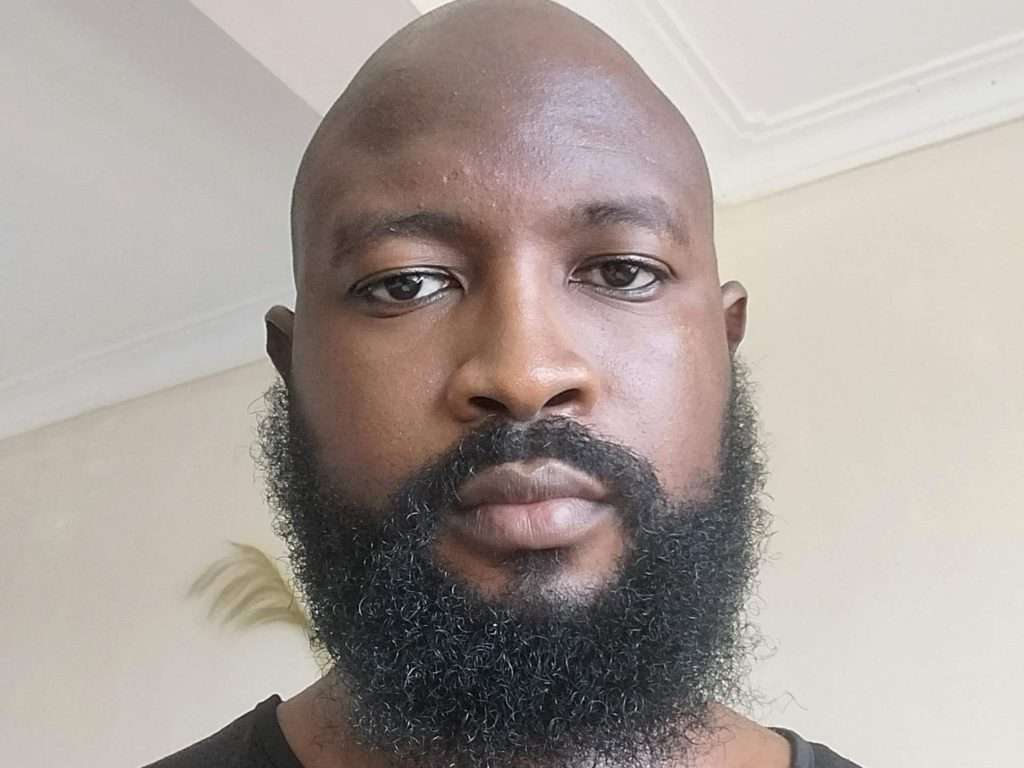
Kenlewis Nderi believes the best way to solve a problem is to never have to solve it again. At Kenfreight East Africa, he’s leading a regional IT operation rooted in automation, cloud innovation and cybersecurity strategy – all while building a culture of proactive problem-solving and continuous learning.
“If you don’t like it, automate it.” That is the simple but powerful mantra that guides Kenlewis Nderi, group IT manager at Kenfreight East Africa, as he leads a lean yet high-impact tech team supporting logistics operations across four countries.
From repairing ATMs as an intern at Kenya Commercial Bank to now managing enterprise systems and cloud migrations across East Africa, Kenlewis has come a long way in his IT career.
Kenlewis’s IT journey began shortly after high school. “I got an A in KCSE, and everyone expected me to do medicine or engineering,” he recalls. “But I wasn’t into that. I chose computer engineering and never looked back.”
His early days were all about learning by doing: “In my first role in a healthcare facility, I was the only IT guy in a place where nothing was set up. There were no systems, no networks; it was a blank slate.” Over time, he built everything from scratch. “By the time I left, they were running on an ERP across branches, with central servers and a website I helped create and launch,” he says.
Now based in Mombasa, Kenlewis leads IT for Kenfreight East Africa, a key player in logistics under the MSC (Mediterranean Shipping Company) umbrella. His role spans Kenya, Uganda, Rwanda and Tanzania, where he oversees infrastructure, policy enforcement, training and tech deployment.
“It’s a global setup. The systems I manage aren’t just local – they’re hosted in the cloud, and we use global ticketing platforms and support structures,” he explains. His team handles everything from ERP deployments to cyber defences. “When I came in, the ERP wasn’t in good shape. Within six months, we had it up and running across East Africa – paperless, licensed, and standardised,” Kenlewis says.
As Kenfreight’s operations grow more complex, so does the tech stack. For Kenlewis, cybersecurity is no longer just a support function – it’s a strategy.
Remaining grounded
“I work directly with our centralised security operations centre in Geneva. All device logs go there, and I get alerts in real time. I investigate, resolve and report back. That process made me realise I want to specialise in cybersecurity,” he adds.
Already certified by Google, Kenlewis is now pursuing the CISSP and later plans to take on a master’s in cybersecurity. But security is only half the equation.
“We’ve also rolled out Microsoft Copilot AI across departments, that is HR, transport, commercial, exports. AI helps us generate quotations, reports, logistics updates, even behavior insights. It’s saving us time and making us more accurate,” he says.
Despite AI’s growing role, Kenlewis remains grounded. He allays fears that AI could take over his job: “Systems improve efficiency, but they can’t override the human element. You still need someone to guide the AI.”
At the heart of Kenlewis’s leadership style is empowering his colleagues in the IT department. “Each quarter,” he reveals, “I ask my team to identify systems we need to improve or automate. They handle daily user issues – they know where the inefficiencies are.”
If a particular printer repeatedly delays scans, they explore solutions: Is it a hardware issue? Bandwidth? Integration? “We don’t just wait for things to break. We proactively fix and optimise. That’s how we create real impact,” he says.
Kenlewis sees the CITO East Africa community as a game changer: “Being part of a community gives you access to people who’ve been in the field longer, who’ve seen challenges you haven’t. It’s easier to find mentors, share ideas and stay ahead.”
His personal goal is to eventually become a chief information security officer, not just in East Africa, but globally.
When he’s not immersed in systems or security protocols, you’ll find him at the beach, swimming or exploring Mombasa. “It’s my way to unwind. The work is intense, so you have to make space for joy,” he says.