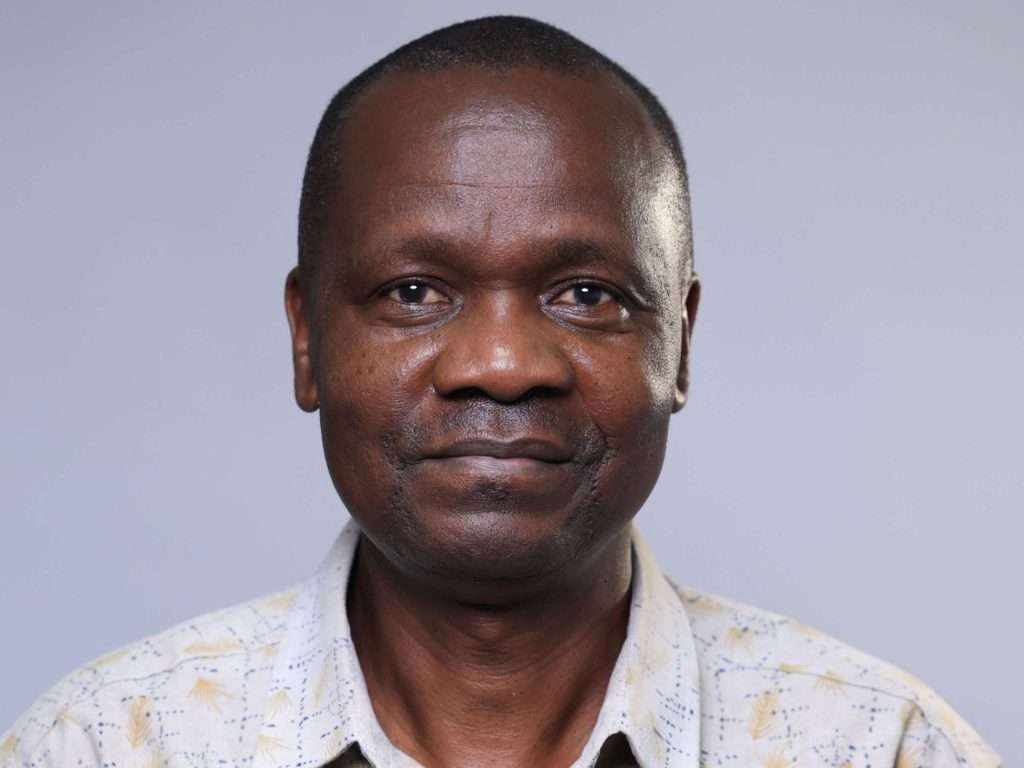
At DHL Express Kenya, head of IT Peter Kuya focuses on making technology work quietly in the background so people can shine. With a hands-on approach and a belief that good systems should never get in the way, he is bringing that philosophy to life, one system and one team at a time.
“In logistics, technology doesn’t just move goods; it moves possibilities,” says Peter Kuya, head of IT at DHL Express Kenya. For him, technology is the invisible engine behind every smooth delivery, every on-time package and every satisfied customer.
It’s a perspective he’s earned from years of working in fast-moving environments where timing and precision matter. At DHL, Peter oversees the systems that keep deliveries on track and teams connected across the region. His day often moves between managing core infrastructure, supporting digital tools for operations and ensuring every department, from customer service to finance, has the technology it needs to deliver.
“It’s not just about systems,” he says. “It’s about making sure people have what they need to do their jobs better.”
Peter’s journey into technology started with curiosity rather than a grand plan. He was fascinated by how systems work and how small improvements could make big differences in efficiency.
Over the years, that curiosity turned into a career that has taken him through different roles in IT management and logistics. At DHL, he has found a space where both his technical skills and his love for problem-solving meet. “There’s always something new to learn,” he says. “Technology keeps changing and so do the challenges, which makes it exciting.”
Making life easier
One of Peter’s biggest focuses has been building systems that work quietly in the background so that teams can focus on serving customers.
“Good technology should never get in the way,” he says. “If people notice it too much, it’s probably not doing its job.” Under his watch, DHL has rolled out digital tools that improve visibility, automate repetitive tasks and make communication smoother across departments.
“My goal is to make life easier for the people on the ground, so they can have the best day every day,” he adds. “When they can do their jobs better, everything else falls into place.”
Peter points to several projects that have transformed how DHL operates in the region, from improving shipment tracking systems to automating internal workflows. One of his proudest achievements has been enhancing data visibility across departments, giving teams real-time insights to make faster decisions.
“We used to spend hours pulling reports manually,” he says. “Now, with the right dashboards and integrations, teams can access the information they need instantly.” For him, every upgrade is about unlocking speed and accuracy. “It’s the small efficiencies that add up to big wins,” he says.
For Peter, leadership in technology is as much about people as it is about systems. He believes that the best results come from teams that feel supported, trusted and empowered to experiment.
Thinking differently
“I like to give people room to try new ideas,” he says. “If something doesn’t work, we learn and move on. The important thing is that everyone feels part of the solution.” That openness, he adds, helps build confidence and accountability across his team.
“You can have the best technology in the world, but if your people don’t believe in what they’re doing, it will not work,” he continues.
He also sees mentorship as a big part of his role, especially in an industry where younger professionals are eager to grow. “I’ve had mentors who guided me, and now I try to do the same,” he says. “Sometimes it is not about giving answers but helping someone think differently about a problem.” It is this human-centred approach that defines how he leads.
Looking ahead, Peter is optimistic about how technology will continue to shape logistics in Africa. He believes that the next wave of innovation will come from local teams who understand the region’s challenges and can design solutions that truly fit.
“Technology keeps evolving, but the goal remains the same,” he says. “It is about connecting people, improving lives and possibilities in smarter, faster and more meaningful ways.”