When trying to determine the cost of IT solutions, most people’s deliberations begin and end with finances. However, Hariss International’s Dani Bachour believes that organisations may be getting it wrong by focusing only on finances.
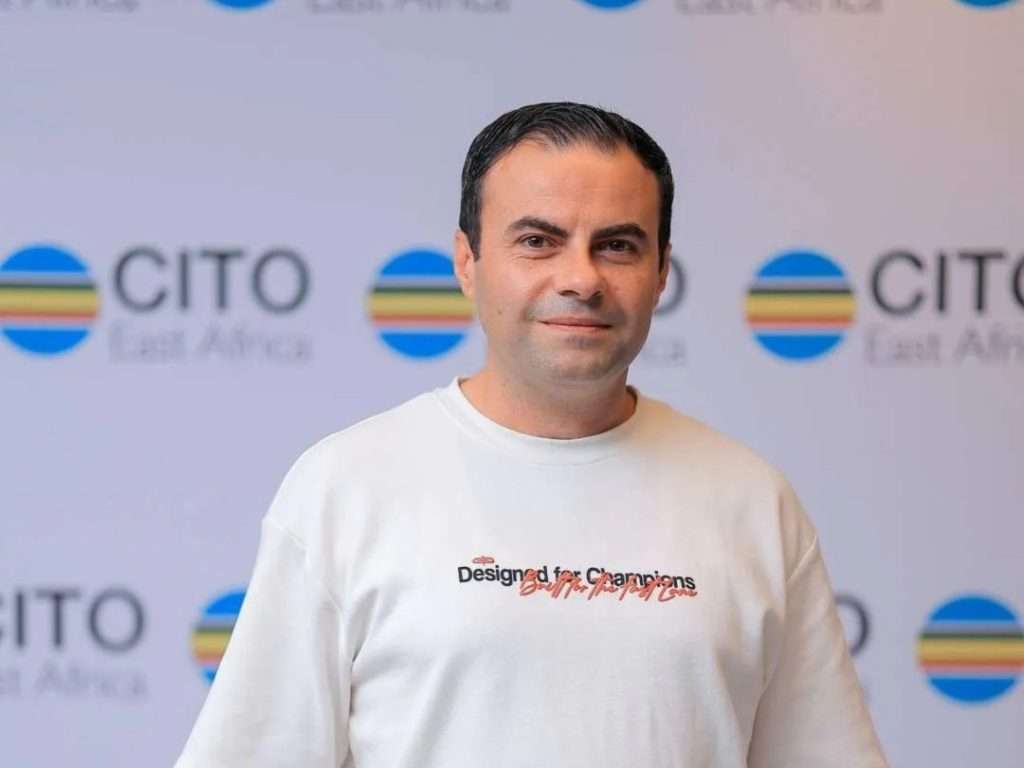
Dani Bachour's recent promotion to head of IT at Hariss International thrust him into a world of boardroom meetings, planning and budgeting, and learning how IT aligns with business. This was away from the familiar world of checking network logs and servers and offering technical support where he had spent more than a decade. He is candid about the weight of the transition and the magnitude of responsibility in the new position.
“Previously, I used to lead a team of five people, and now I am leading nine people as we expand. With more ability comes more responsibility. It's overwhelming, but at the same time, it is exciting. You feel overwhelmed thinking about how you used to deal with servers, networks, switches, and computers, but now it's more about reporting, leading a team, managing, guiding, and communicating with management in an open, professional way,” he reveals.
The transition has put Dani smack in the middle of boardrooms where the costs of IT solutions are discussed and with this has come the realisation that when it comes to IT, costs can be a sensitive topic.
“IT is considered one of the most costly departments, which is why you keep fighting with CFOs” he says.
The hidden costs of IT
Dani’s background in tech and his short time as head of IT at Hariss have given him quite some insight especially when it comes to the real cost of IT solutions. He is convinced that while CFOs are right to be concerned about cost, organisations do not exactly consider all the costs of implementing IT solutions.This, he believes, is due to a gap in understanding between CFOs and IT leaders where the former mostly only focuses on the financial cost of a solution versus the benefits.
“A CFO looks at the spending and wants to know how much the solution benefits them. No CFO wants to spend money on a solution that is only utilised 5 percent to 10 percent. An acceptable utilisation rate should be at least 80 percent,” he explains.
While he agrees that finances are important when considering the costs of implementing a solution, he also believes that they do not provide the whole picture.
“The cost of a solution isn't just about the money; you also have to look at the time required to implement it and the time employees must invest to learn how to use it,” he says.
Using AI to reshape IT costs
Other than the time and financial implication, Dani believes that the cost of IT solutions can either be negatively or positively affected by how well organisations in the field share resources and knowledge with one another.
“Collaboration, both internally and externally, is a must. Different people might have different solutions, approaches, or technologies to solve a problem. Sharing information is crucial in IT,” he says.
Even with these costs, Dani is optimistic that organisations can save money and reduce costs through the proper deployment of resources like AI.
“Using an automated AI tool can significantly reduce the cost and scope of work required by humans. For example, instead of digging through thousands of lines of logs for hours, you can tell AI to look for a certain pattern, and it might find the information in 30 minutes,” he explains.
At Hariss, the company has adopted automation as one of the cost cutting measures. There are also measures to expand automation by embedding AI into the finance department and exploring cybersecurity tools that can detect and respond to threats faster. The question for Harris is, therefore, not just what such solutions may cost to procure but also what they will require to implement and what the organisation might lose if the solutions take long to implement.