The Stanbic CIO shares how running transformed from a dreaded chore into a lifestyle, and how the lessons of endurance, discipline and community continue to shape his leadership.
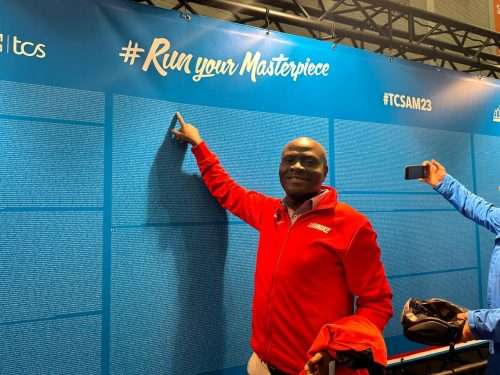
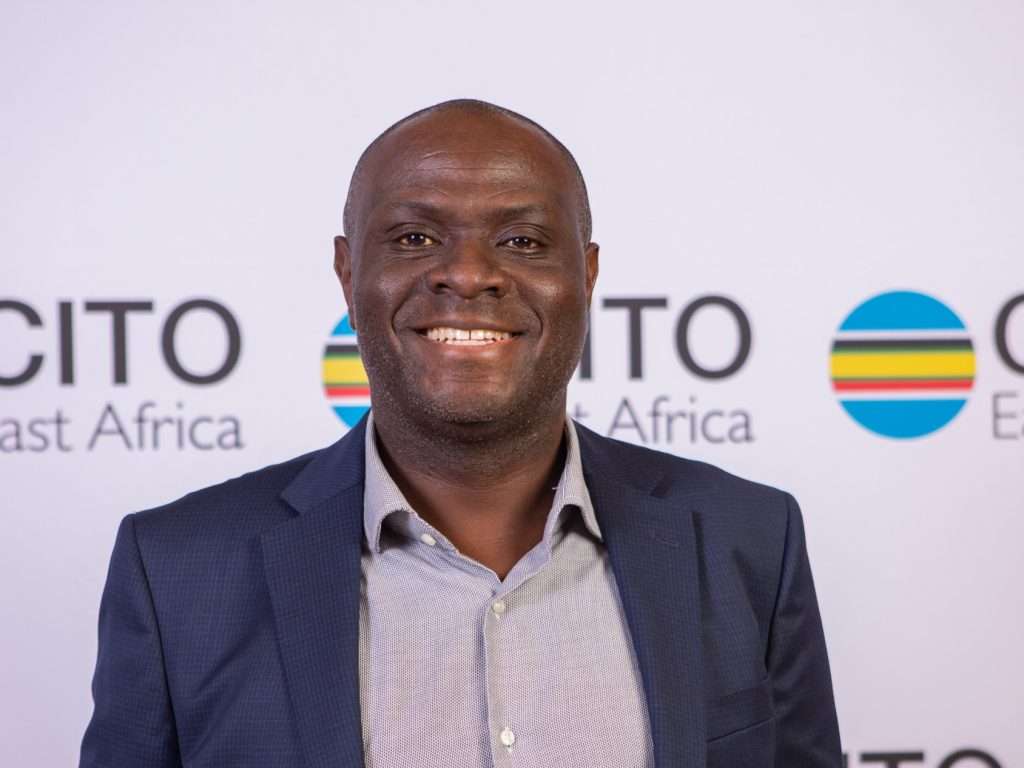
When Alex Siboe is not sitting in boardrooms, he is out on the trails clocking marathon miles and exploring hiking paths. Since his first marathon in 2022, the Stanbic CIO has gone from casual runner to conquering Amsterdam’s streets and Cape Town’s legendary Two Oceans ultra.
Reluctant runner
Ironically, Alex recalls how in his younger days, he actually dreaded running. In school, he went out of his way to dodge cross-country races. Years later, while at Safaricom, he impulsively signed up for a half marathon and quickly discovered just how brutal 10 kilometres could feel.
“I couldn’t even finish 10km without going home to sleep the whole day,” he admits.
But what started as a punishing struggle soon turned into a pursuit. Long walks, hikes in South Africa, and weekend runs gradually pulled him deeper into the rhythm of the road, until the challenge he once dreaded became the passion that fuels him today.
In fact, Alex still keeps a quiet reminder of his journey at home.
“In a closet, I can see a number of Safaricom and Stanchart marathon medals,” he says.
His running story truly began in 2010 when, inspired by colleagues, he signed up for the Lewa half marathon. Against all odds, and despite hating running all through school, he finished his first half marathon and went on to complete six more between 2010 and 2016.
Today, running is no longer just a hobby for Alex. It is woven into his daily rhythm.
“If I decide I’m doing something, whatever it takes, I’ll be in it,” he says.
Dawn often finds him lacing up for training runs before the city wakes, weekends are reserved for long distances with his running group, and travel plans are anchored on race calendars. Nutrition, sleep routines, and even recovery walks have become part of the discipline.
“I don’t mind waking up at 4am to go for a run. It’s refreshing and sets the tone for the whole day,” he adds.
What began as a single half marathon has grown into a lifestyle that shapes how he spends his time, restores his energy, and fuels his sense of purpose beyond the office.
Racing the world
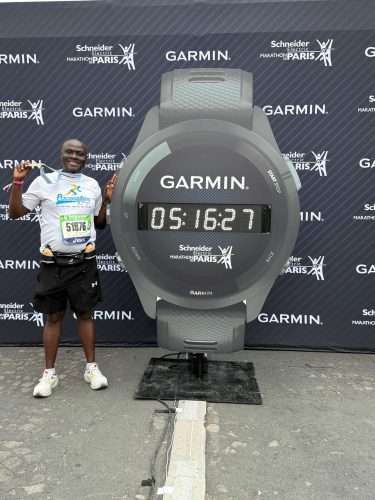
Of all the races he has run, Amsterdam in 2023 stands out as a clear favourite.
“Amsterdam was interesting because I had a good run. I finished in three hours 41 minutes, my fastest marathon so far,” he says with a proud smile.
The flat course, buzzing atmosphere and cool October weather made it a memorable experience.
“That one gave me the confidence that I can actually do this thing,” he adds, recalling the thrill of crossing the finish line knowing he had pushed himself to a new personal best.
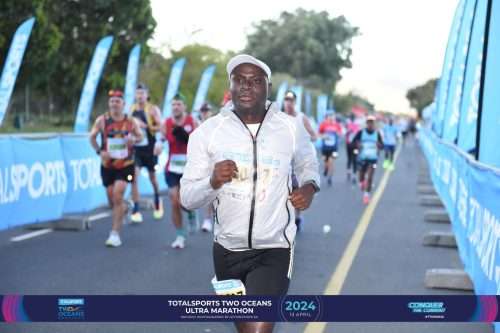
Another unforgettable highlight was the Two Oceans ultra in Cape Town, a 56-kilometre challenge that he describes with a mix of awe and respect.
“It is very beautiful because you actually run from one ocean to another, the Indian to the Atlantic,” Alex recalls.
Starting at dawn, runners are treated to sweeping coastal views, strong winds and a course that demands both stamina and spirit.
“After seven hours the roads must reopen, so if you have not finished the course you are stopped. You really have to push yourself,” he says.
For Alex, it was not just the distance but the scenery and atmosphere that made it special.
“You just enjoy it, the mountains, the coast, the people cheering you on. It is tough but so worth it.”
If Cape Town was about oceans and energy, Lewa Marathon offered a very different kind of test. The trail run there, known simply as Lewa, pushed Alex into rugged mountain terrain and unpredictable weather.
“That one is purely a trail run. You do two halves, and you need the mental strength to finish the first and still carry on with the second,” he explains.
The course winds through wild landscapes where heat and altitude add to the challenge.
“It can get really hot, and the terrain is unforgiving, but it is also so beautiful,” he says.
For Alex, the race was less about speed and more about resilience and enjoying nature in its raw form.
“You come out tired but fulfilled, because you know you have been out there in the wild and made it through.”
Life is full of surprises, ups and downs. In 2017 as fate would have it persistent lower back pain were the light bulb moments that introduced Alex into the running culture. He kept active through early morning walks at Jaffreys, but the passion never left. Then came Covid, and with it a new goal. He set his sights on the legendary Comrades Marathon in South Africa, an 89-kilometre ultramarathon, which is still on his to-do list, perhaps something to keep him going and keep the running fire in the belly alive.
Endurance and discipline
“April 17, 2020 will forever be engrained in my memory as the day I crossed the rubicon,” he recalls of the first time he managed to run 10 kilometres nonstop.
Fuelled by Eliud Kipchoge’s mantra “no human is limited”, Alex threw himself back into training, this time with his friend and training partner Judith Muhoro, and set his eyes firmly on the next challenge.
For Alex, the lessons from running stretch far beyond the racecourse and into the boardroom.
“After 30 kilometres your legs feel heavy, the lactic acid builds up, and it is all mental from there. You just have to keep going until you finish,” he says.
That endurance, he believes, mirrors the persistence needed in leadership when you face challenges, projects hit roadblocks or progress slows.
Discipline is another parallel.
“You have to wake up early, train, eat right, and stick to the routine. It is the same with leading teams because you need structure and consistency,” he explains.
And just as no marathon is ever run alone, Alex values the community aspect.
“You need family, training partners, mentors and people around you. Leadership is the same because you cannot do it in isolation.”
Looking back, Alex admits that if there is one thing he wishes he had known earlier in his career, it is the importance of people skills.
“I trained as an engineer and I loved mathematics, but I later realised leadership is not just about technical ability. It is about how you relate with people, how you influence without stamping your authority , how you manage conflict,” he reflects.
Just as he has learned to endure pain on the racecourse, he has learned that leadership is about patience, empathy and drawing strength from others. For Alex, both running and leadership are long games that demand consistency and perspective.
“Yesterday was the best day, but the other best day is today. You cannot keep regretting. You just keep moving forward.”