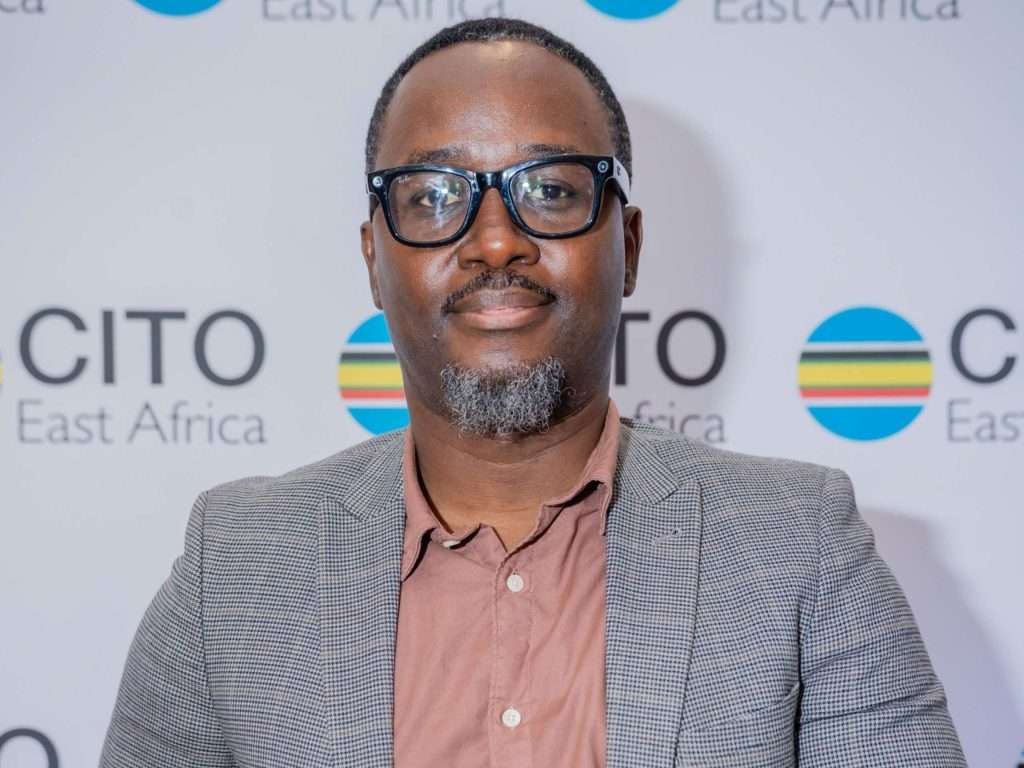
Amiri Sultani Mziray, head of ICT at I&M Bank Tanzania, believes the disconnect between IT and business strategy stems from a lack of effective communication. He argues that bridging that divide is essential if organisations are to turn technical insight into commercial growth.
Amiri Sultani Mziray is convinced that the choices technology leaders make today will echo across their organisations for decades, a view he shared with more than 100 chief information officers gathered at the CIO of the Future Summit in Dar es Salaam.
“I think as IT leaders, we are very lucky in the sense that the decisions we’re making today will have a lasting impact in our organisations,” he said.
For Amiri, the long-term success of institutions rests on whether technical professionals can clearly articulate the value of technology to their boards.
“If we are able to win the confidence of executive leadership, if we are able to demonstrate the value that technology will bring to the business, I think 20 to 30 years from now, most organisations will be very glad they listened to that IT guy,” he says.
Yet this optimism came with a caveat that he shared openly with those in the room.
The CIO paradox
Amiri argued that tech leaders possess 80 to 90 percent of the insight required to solve pressing business challenges. The problem is that these solutions rarely leave the drawing board.
“We as technology people have always been blessed and cursed at the same time. Most of the people in this room have a great deal of strategic thinking going on in their heads, but very little communication about what they are planning,” he explained.
As a result, he challenged attendees to improve their communication skills so that they can help other leaders within the organisation see what they see, adopt that vision, and align fully with the business.
For him, effective communication is non-negotiable, particularly in a banking sector caught between the old and the new.
“A lot of what we do in banking is extremely traditional. We are conservative and risk-averse, almost the direct opposite of technology. At the same time, we are living in a period where there is a lot of transition in the world in terms of how things are done,” he noted.
Bridging that divide requires technical professionals to move beyond basic maintenance.
“An IT leader today needs to transition from simply solving technical problems to driving business growth. That means showing where technology can take the business, and how its implementation will deliver strategic goals,” he said.
The foundations of AI
Part of the digital transformation that banks have to contend with is AI. Amiri acknowledged that AI will have a big role to play in improving efficiency in coming years.
“Within the next few years, we will see the compounding effect of data powering models that solve complex problems. In organisations, we already have a lot of pain points and areas that we can improve but obviously, the limitation is time. AI addresses that by going through a huge amount of data in a very short period of time. Something that a human wouldn’t be able to do,” he noted.
However, he cautions that AI is only as capable as the infrastructure beneath it.
“AI multiplies what you already have. Organisations with solid fundamentals, structured data architectures, and clean, actionable data will reap the rewards,” he said.
Despite the rush across industries to adopt the latest tools, Amiri warned that few enterprises are ready.
“Most tools on the market today are like the roof of a house. You cannot simply walk into a hardware store and say, ‘I need a roof; I am building a house.’ First, you clear the plot, design the architecture, lay the foundations, and raise the walls. Organisations are at very different stages of AI maturity. It is critical to honestly evaluate that maturity first, and only then adopt the models that match your operational readiness,” he explained.