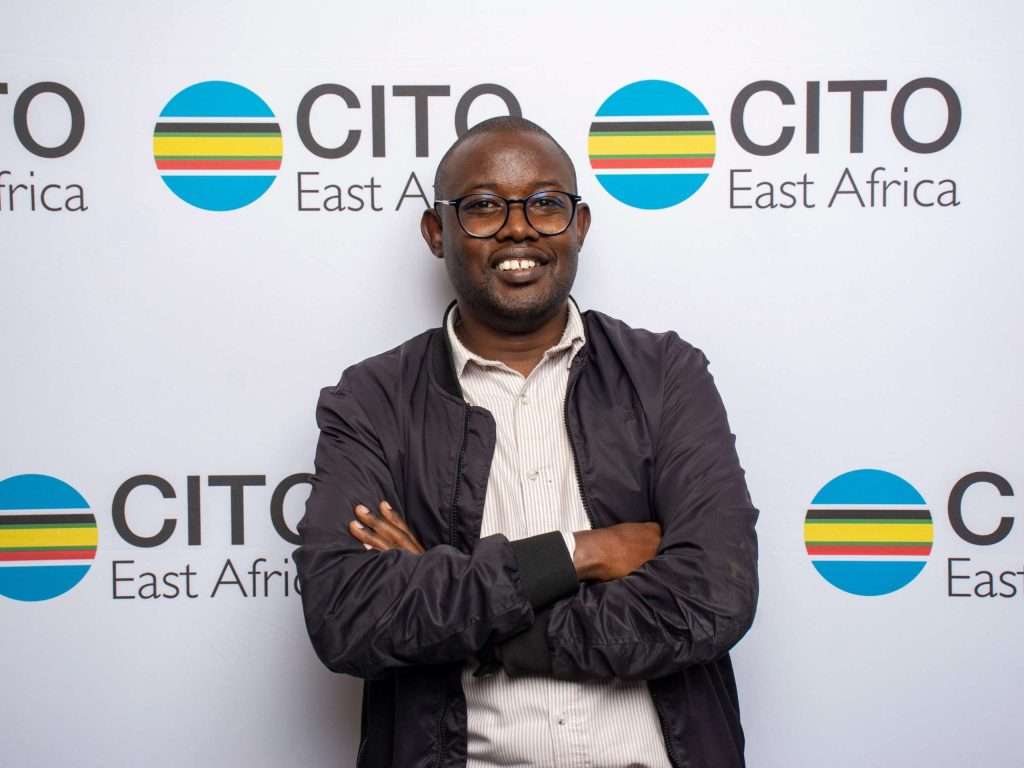
Successful digitisation is rarely a server room issue. Instead as Joseph Wangombe, head of ICT at Karirana Estates-Eden Tea, shares, it starts with understanding a client’s problem then creating a solution that solves that problem. He breaks down his framework for driving successful digitisation, while encouraging adoption and building sustainable systems.
In many enterprises today, data remains trapped in departmental silos, and despite ongoing investments in digital tools, day-to-day operations often remain heavily manual. For technology leaders like Joseph Wangombe, head of ICT at Karirana Estates-Eden Tea, bridging this common industry gap begins with identifying high-impact opportunities. For instance, at Karirana Estates-Eden tea, Joseph saw an opportunity in big data and data analytics.
“The question was how I could enable the management team to make more informed decisions based on data and insights," he says.
Even with a clear technical path in mind, he believes lasting solutions cannot simply be imposed from the top down.
“You have to work with the teams to know what they want. You cannot just come in and fix your own things. You have to ask them what their biggest headache or challenge is,” he explains.
By engaging directly with operational teams, Joseph and his IT department were able to consolidate separate data streams into centralised dashboards, unlocking critical information and insights that had previously been out of reach.
Change management
While the project is still ongoing, Joseph has already started seeing results and has learnt important lessons about ensuring that people embrace change.
“If people are used to a certain way of working, for example signing with a pen and you introduce e-signature, you will face some resistance because that is not how they are used to things being done,” he says.
However, besides understanding the challenges employees face and tailoring the solution to their needs, training them on how new systems work is important. Another factor that makes adoption of new systems easier is communication of value.
“If, for instance, I want to reduce the time that you used to do reconciliation so that the sales team doesn’t have to sit down all day doing that, I must show them why that’s needed. This is because automation also comes with fear of job loss. I must pitch it as an enhancement or a means to enhance productivity rather than eliminate their job or make their job difficult,” he explains.
Proactive tech leadership
Communication is not only restricted to teams, it extends even to boardrooms. As the ICT manager, Joseph sometimes has to sit at board meetings and has learnt the importance of communicating value early on.
“As IT managers or heads of IT, we tend to focus more on IT systems rather than business operations and improvement of business processes,” he says.
Unfortunately, this approach can no longer work as Joseph notes that IT leaders are now expected to ensure that businesses are meeting their targets and succeeding.
“One of the biggest questions I always face is, what is the return on investment? The board wants to see how much money suggested solutions will bring in,” he says.
Beyond communication, Joseph believes that for a tech leader to remain relevant in coming years, they must become actively involved in the business and be proactive.
“You have to be the key driver of IT initiatives. By key driver, I mean I don't sit in the office because if I sit in the office, I won't be relevant. If I want to have an impact in sales by reducing cost, for example, I have to be part of the sales process. I need to understand how they run their routes. Once I have correct feedback I can sit with decision makers. That way, I’m bringing solutions proactively rather than waiting in the office,” he explains.
Maintaining systems
Even after a solution is accepted, the work does not stop there for Joseph as he has to think of maintenance of new solutions. This is especially important because systems quickly become legacy with ever-evolving technology.
One way of staying up to date is through building solutions entirely in-house and making updates to these with time. Unfortunately, Joseph does not see this as ideal, especially because of attrition.
“If someone that was an expert in your team leaves, then the code is no longer updated. So what happens next time the system may start encountering issues? You might stop using some of the features because of such issues,” he says.
As a result, Joseph has adopted a different approach where he works with third-party vendors.
“We don't build everything in house. Instead, we have our core system, then we integrate vendors through an API. Like for sales distribution, we have a vendor we work with. They are experts in their own area, and they keep their system updated with whatever is happening in the market to remain competitive. That way, your core system remains and even if one part fails, not the entire system fails,” he explains.
Even then, Joseph is aware that the approach is not foolproof and that organisations using it run the risk of vendor lock-in.
“If you are working with one vendor and you depend on them to do your daily updates or solve issues that come up without them transferring knowledge to your team, when that vendor leaves or you are no longer working with them, you get stuck because there's no continuity,” he warns.
To avoid that, Joseph advises organisations using third-party vendors to invest in in-house skills and have as much documentation as possible so that they have more control of their systems.
Working with third parties also comes with a cybersecurity risk because the vendors have access to important information about the business.
“It’s always good to have a backup plan and also equip your team to be able to handle most of the things, and also own and have control of your system or of your operation so that you are the one guiding, not the vendors guiding you,” he advises.
The AI question
As head of ICT, Joseph also has to be cognisant about AI and its effects, especially because of the risk of data exposure and loss. One way of doing this has been through staff training.
“Training helps make them aware of the benefits of AI and the risks associated with AI, to especially address shadow AI, because people are sharing information which you don't have visibility to as IT,” he says.
The company also has additional controls that guide employees on how to use AI responsibly. An example is firewalls that blacklist AI tools that are not allowed.
“We have approved AI tools that we want to use internally for business purposes, and that is communicated clearly. Any other IT tools are not accessible to the network,” he says.